
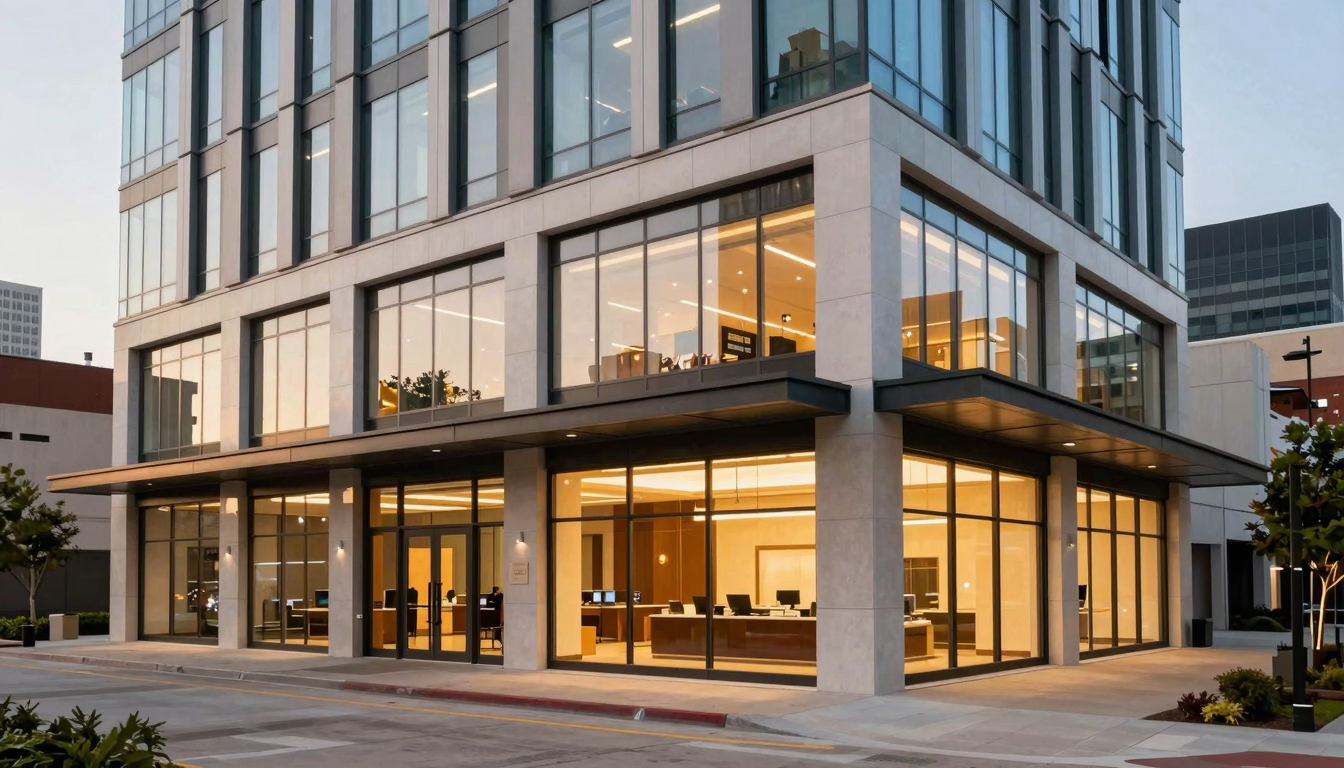
Understanding Property Insurance for Retail Stores and Offices
Understanding property insurance for retail stores and offices
Property insurance is a critical safeguard for any retail store or office environment. Whether you operate a small boutique, a corporate office, or a large retail chain, protecting your physical assets from unexpected events is essential to maintaining business continuity. This insurance covers damage or loss to buildings, equipment, inventory, and other valuable assets caused by fires, theft, natural disasters, and other covered perils. Understanding the different types of coverage available, what they protect, and how to select the right policy can mean the difference between recovering quickly from a loss or facing financial devastation. In this article, we’ll explore the fundamentals of property insurance for commercial spaces, examining coverage options, the claims process, cost factors, and strategies for optimizing your protection while managing expenses effectively.
The basics of commercial property insurance
Commercial property insurance is fundamentally different from personal homeowners insurance, as it addresses the unique needs of business operations. When you own or lease a retail store or office space, your property includes not just the physical structure but also the contents within it. The building itself may fall under your landlord’s insurance responsibility if you’re renting, but your personal business assets always need separate coverage.
Property insurance policies typically include two main components: building coverage and personal property coverage. Building coverage protects the physical structure, including walls, roof, floors, built-in fixtures, and permanent improvements you’ve made to the space. This becomes especially important if you own the building outright or have a significant financial interest in its condition. Personal property coverage, on the other hand, protects your business equipment, furniture, inventory, signage, and other movable assets that would be difficult to replace if damaged or stolen.
The scope of commercial property insurance extends beyond basic protection. Many policies also cover additional living expenses or business interruption losses. If your store becomes temporarily unusable due to a covered event, business interruption insurance helps compensate for lost income during the closure period. This protection can be crucial for small and medium-sized businesses that lack substantial cash reserves to weather extended downtime.
When selecting a policy, it’s important to understand that standard commercial property insurance typically covers specific perils such as:
- Fire and smoke damage
- Wind and hail
- Theft and vandalism
- Weather-related damage
- Explosions and riots
- Vehicle collisions
However, certain events are usually excluded from standard policies, including earthquakes, floods, and routine wear and tear. Understanding these exclusions helps you identify gaps in your coverage and determine whether additional riders or supplemental policies are necessary.
Assessing your coverage needs and assets
Determining the right amount of property insurance requires a thorough assessment of your business assets and their replacement value. Many business owners make the mistake of underestimating the value of their property or overestimating their needs, both of which can lead to inadequate protection or unnecessary expense. The key is conducting a comprehensive inventory and valuation of everything your business owns.
Begin by documenting all physical assets in your retail store or office. This includes inventory stock, furniture and fixtures, equipment, technology systems, signage, and any decorative elements that contribute to your business environment. For inventory-heavy businesses like retail stores, this task can be particularly complex, as stock values fluctuate seasonally. Take photographs and videos of your space and assets, and maintain detailed records of purchase dates, costs, and any upgrades or repairs made over time.
The valuation process differs depending on the asset type. For most business equipment and furniture, replacement cost value (RCV) is the standard approach. This means calculating what it would cost to purchase new items equivalent to what you currently own. For example, if your retail store has display shelving units that are 10 years old, you would calculate the cost of purchasing new shelving of similar quality today, not the depreciated value of the old shelving.
Create a detailed asset list categorized by type:
| Asset category | Examples | Estimated value | Replacement cost |
|---|---|---|---|
| Inventory | Merchandise, stock, goods for sale | Varies seasonally | Full replacement cost |
| Equipment | Cash registers, computers, machinery | $5,000 – $50,000 | New equipment cost |
| Furniture and fixtures | Desks, chairs, shelving, counters | $10,000 – $100,000 | New furniture cost |
| Building improvements | Flooring, paint, lighting, HVAC upgrades | $20,000 – $500,000 | Renovation cost |
| Technology and systems | Servers, security systems, networking | $5,000 – $100,000 | New technology cost |
Beyond the direct asset value, consider indirect losses that could result from property damage. If your retail store is damaged and must close for repairs, what income would you lose daily? What ongoing expenses would you still need to pay, such as rent, utilities, and employee salaries? These considerations point toward the need for business interruption coverage, which we’ll explore further in later sections.
Another critical factor is the location of your business. Retail stores in areas prone to specific natural disasters, such as hurricanes, earthquakes, or severe winter storms, need enhanced protection for those particular risks. Urban areas with higher theft and vandalism rates may require upgraded security protections and comprehensive theft coverage. Your geographic location directly influences which additional coverage options you should prioritize.
Coverage options and additional protections
Standard commercial property insurance provides foundational protection, but most businesses benefit from tailored coverage options that address specific vulnerabilities. Understanding the available enhancements helps you build a comprehensive protection strategy that aligns with your business’s unique risks and operational characteristics.
Business interruption insurance is one of the most valuable additions for retail and office operations. This coverage compensates you for lost income when your business must close due to a covered event. If a fire damages your retail store and forces a three-month closure, business interruption insurance would cover the income you would have earned during that period, up to the limit you’ve chosen. Additionally, some policies cover increased costs of operations if you need to temporarily relocate to maintain business continuity.
For businesses with significant inventory, spoilage coverage protects against loss of perishable goods or temperature-sensitive products if refrigeration systems fail. This is particularly important for retail stores selling food, pharmaceuticals, or other climate-sensitive items. Similarly, water backup coverage protects against damage from sewage backups or sump pump failures, which standard policies typically exclude.
Retail stores and offices often contain valuable items that warrant specialized protection. Equipment breakdown coverage (also called mechanical breakdown insurance) covers sudden failure of machinery, boilers, air conditioning systems, and other critical equipment. Depending on your business type, you might also consider inland marine coverage, which protects valuable items that are regularly moved or transported, such as artwork, jewelry, or high-value merchandise.
Another important consideration is replacement cost versus actual cash value. Many businesses opt for actual cash value coverage to reduce premiums, but this approach can leave you significantly underprotected. Actual cash value subtracts depreciation from the replacement cost, so a computer purchased five years ago might be worth only a fraction of its replacement cost despite remaining fully functional. Replacement cost coverage, while more expensive, ensures you can truly rebuild without bearing the depreciation burden yourself.
For those leasing commercial space, tenants improvement and betterments coverage protects the investments you’ve made to customize the leased space. If you’ve upgraded flooring, lighting, or built custom fixtures in a leased retail space, this coverage protects those investments if they’re damaged and unrecoverable from your landlord’s insurance.
The relationship between coverage options and your deductible also affects your total protection strategy. A higher deductible (the amount you pay before insurance kicks in) reduces your premium but increases your out-of-pocket costs during a claim. Many businesses find that deductibles between $1,000 and $5,000 provide a reasonable balance between affordability and manageable risk retention.
Understanding exclusions and claim management
Property insurance policies contain specific exclusions and limitations that define what is not covered. These exclusions are just as important as the coverage itself, as they determine the gaps in your protection. Understanding common exclusions helps you identify where you need additional coverage or where you must self-insure by maintaining adequate reserves.
Flood damage represents one of the most significant exclusions in standard property insurance policies. Despite the widespread risk of flooding, commercial property policies almost universally exclude water damage from external flooding, heavy rains, or overflow of natural or artificial water sources. Flood protection requires a separate flood insurance policy, often obtained through the National Flood Insurance Program or private insurers. If your retail store or office is located in a flood-prone area or near bodies of water, this gap in coverage demands immediate attention.
Earthquake damage is similarly excluded from standard policies in most states. If your business is in a seismically active region, earthquake coverage must be purchased as a separate rider. The exclusion exists because earthquake damage can be catastrophic and unpredictable, affecting vast numbers of properties simultaneously, which makes it difficult for insurers to manage the risk within standard rates.
Other common exclusions include damage from normal wear and tear, gradual deterioration, lack of maintenance, and loss of income from causes other than physical damage. Acts of war and terrorism are typically excluded, though some insurers now offer terrorism coverage as an option. Weather-related damage is usually covered (wind, hail, snow), but damage from poor maintenance during freezing weather, such as burst pipes due to lack of heat, might be excluded.
For retail stores with security concerns, it’s important to note that many policies exclude losses from theft if doors or windows are left unlocked or if security systems are not functioning properly. Understanding these conditional exclusions helps you maintain proper protocols that both protect your assets and ensure your claims won’t be denied on technicality grounds.
When a loss does occur, the claims process becomes critical to your business recovery. Immediately after experiencing damage or discovering a loss, you should:
- Document everything with photographs and video footage, showing the extent of damage and affected items
- Notify your insurance agent or broker within the time frame specified in your policy
- Take immediate steps to prevent further damage (emergency repairs are typically covered)
- Provide a detailed written description of what occurred and what was damaged
- Submit your claim with supporting documentation, including receipts, invoices, and proof of loss
- Cooperate fully with the insurance company’s investigation and loss adjuster
Maintaining detailed records throughout your business operation significantly streamlines the claims process. Those photographs and videos of your property and assets, combined with purchase receipts and maintenance records, provide the documentation insurers need to validate and process your claim quickly. Many businesses that have experienced claims report that the quality of their preparation made the difference between a smooth recovery and prolonged disputes with their insurance company.
Factors affecting property insurance costs and optimization strategies
Property insurance premiums for retail stores and offices vary dramatically based on multiple factors that insurers use to calculate risk. Understanding these factors empowers you to take actions that reduce your premiums while maintaining adequate protection. Location, business type, building characteristics, loss history, and your specific coverage choices all influence what you’ll pay for insurance.
Geographic location is one of the most significant premium drivers. Businesses in areas with high crime rates pay substantially more for theft and vandalism coverage. Regions prone to natural disasters such as hurricanes, tornadoes, or earthquakes face higher premiums for those specific coverages or may find it difficult to obtain coverage at all. Urban locations typically cost more than rural areas, though this varies with specific crime statistics and disaster risk.
The physical characteristics of your building significantly influence premiums. Older buildings with outdated electrical systems or problematic roofing conditions present higher fire and damage risk and thus command higher rates. Buildings with modern fire suppression systems, sprinkler systems, and updated electrical and plumbing systems receive premium discounts. If you’re evaluating a potential retail or office location, inquire about these features early in your decision-making process, as they directly affect your long-term insurance costs.
Security measures and loss history also drive pricing. Businesses without alarm systems, surveillance cameras, or controlled access face higher theft and vandalism premiums. More importantly, your company’s own loss history affects future rates. If you’ve filed multiple claims over three to five years, insurers view your business as higher risk and increase your premiums accordingly. Even a single significant claim can affect your rates for years. This reality underscores the importance of loss prevention strategies.
To optimize your property insurance costs while maintaining comprehensive protection, consider these strategies:
Implement robust loss prevention measures. Install quality alarm systems, surveillance cameras, and controlled access systems. Proper lighting around your building, secure locks on all doors and windows, and regular maintenance of your building systems reduce your risk profile and justify lower premiums. Many insurers offer premium discounts (typically 5-15%) for businesses with certified security systems.
Maintain detailed records and documentation. Keeping thorough records of maintenance, repairs, and asset values demonstrates responsible property management. Some insurers will reduce premiums for businesses that maintain excellent documentation and can quickly provide proof of value during inspections.
Bundle your insurance policies. Most insurers offer significant discounts when you purchase property insurance along with liability insurance, workers’ compensation, and other coverage from the same company. These bundled discounts can reduce your overall insurance costs by 10-25%.
Review and update your coverage annually. As your business grows and evolves, your insurance needs change. Adding inventory, upgrading equipment, or expanding into new areas of your facility increases your property values and requires corresponding coverage increases. Conversely, disposing of old equipment or inventory might allow you to reduce coverage and lower premiums. Annual reviews ensure your coverage stays aligned with your actual assets.
Consider higher deductibles for predictable losses. If you can reasonably absorb small to moderate losses without disrupting operations, raising your deductible can significantly reduce premiums. However, ensure you maintain sufficient cash reserves to handle your deductible amount if a claim occurs.
Work with a knowledgeable insurance broker. Rather than shopping for insurance through price comparison websites alone, working with a professional broker who understands commercial property insurance can help you identify cost-saving opportunities, coverage gaps, and risk management strategies specific to your business. Brokers often have access to multiple insurers and can negotiate better rates and terms on your behalf.
Many insurers now offer discounts for businesses that complete risk assessments or participate in loss prevention programs. Some provide premium reductions for implementing specific safety protocols or upgrading building systems. Asking your insurance agent about all available discounts can reveal opportunities to reduce your costs by hundreds or even thousands of dollars annually.
Conclusion
Property insurance for retail stores and offices represents a fundamental business necessity rather than an optional expense. The protection it provides allows you to operate with confidence, knowing that unexpected disasters won’t devastate your business financially. Throughout this article, we’ve explored how property insurance works, how to assess your specific coverage needs based on your assets and location, and which additional coverage options can strengthen your protection. Understanding the difference between building coverage and personal property coverage, recognizing common exclusions like flood and earthquake damage, and knowing how to navigate the claims process positions you to make informed decisions about your insurance needs. Most importantly, property insurance isn’t a static product that you purchase once and forget. Your coverage should evolve as your business grows, your assets change, and your risk profile shifts. By implementing loss prevention measures, maintaining detailed records, regularly reviewing your coverage with a qualified insurance professional, and taking advantage of available discounts, you can achieve comprehensive protection while managing your insurance costs effectively. The goal isn’t simply to have insurance in place, but to have the right insurance that truly protects your business, supports your recovery if disaster strikes, and ultimately contributes to your long-term success and stability.

news via inbox
Nulla turp dis cursus. Integer liberos euismod pretium faucibua

