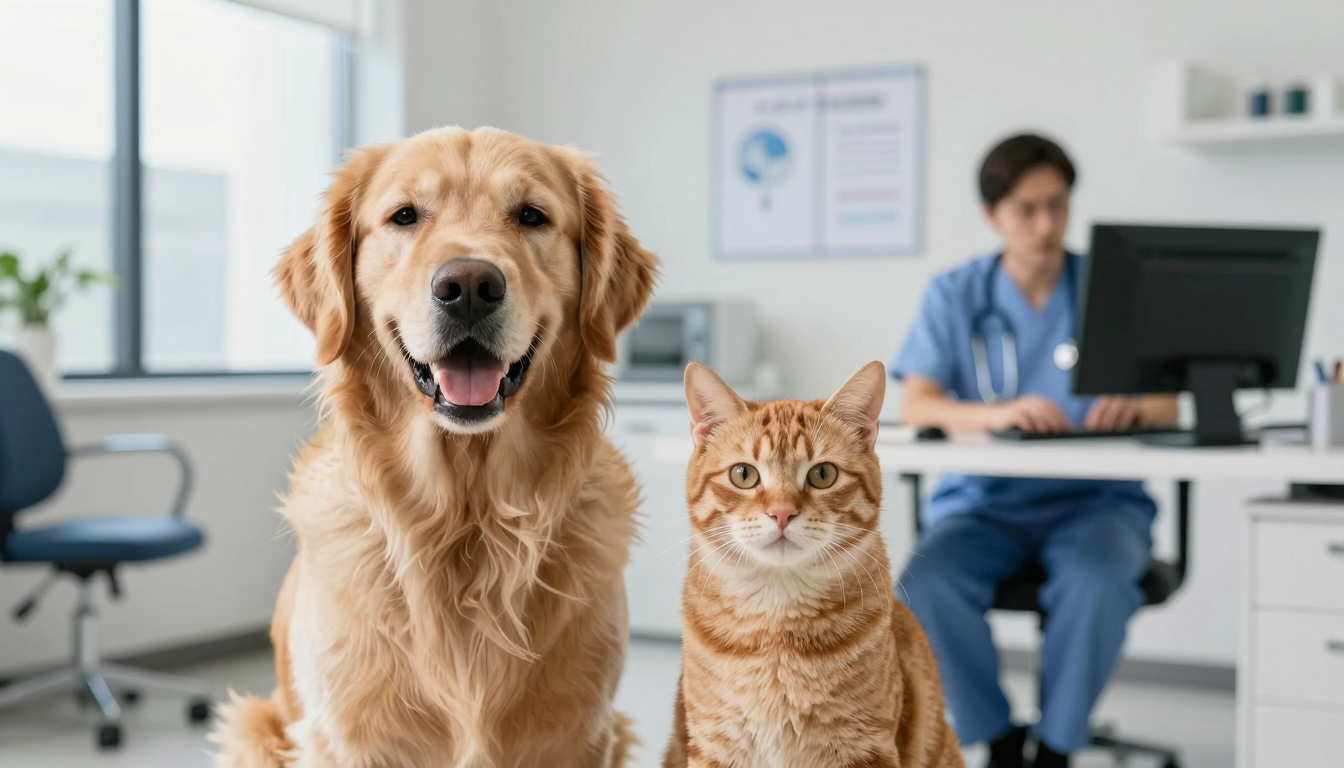
Understanding Pet Insurance Options for Dogs and Cats
Pet insurance has become an increasingly important consideration for pet owners who want to protect their furry companions while managing unexpected veterinary expenses. Just like human health insurance, pet insurance policies offer financial protection against costly medical treatments, emergency care, and chronic illness management. However, the pet insurance landscape is complex and varied, with numerous providers offering different coverage levels, deductibles, and exclusions. Understanding the various options available for both dogs and cats is essential for making an informed decision that aligns with your pet’s specific needs and your budget. This comprehensive guide will explore the different types of pet insurance coverage, help you compare providers and plans, discuss factors that influence your choice, and provide practical advice for selecting the best insurance option for your beloved companion. By the end of this article, you’ll have the knowledge necessary to navigate the pet insurance market confidently and choose a policy that offers the best value and protection for your pet.
Types of pet insurance coverage explained
When shopping for pet insurance, it’s crucial to understand that not all policies are created equal. The insurance industry offers several distinct types of coverage, each designed to address different aspects of your pet’s healthcare needs. These options range from basic accident-only policies to comprehensive plans that cover routine care alongside major medical expenses.
Accident-only policies represent the most affordable option available in the pet insurance market. These plans cover injuries resulting from accidents such as broken bones, cuts, ingested foreign objects, or poisoning. However, they do not cover illnesses, hereditary conditions, or preventative care. This type of coverage appeals to pet owners seeking a safety net for unexpected injuries without the higher premiums associated with more comprehensive plans.
Accident and illness coverage is the most popular choice among pet insurance consumers. These policies extend protection beyond accidents to include common illnesses such as urinary tract infections, diabetes, cancer, and arthritis. This middle-ground option provides substantially more protection than accident-only plans while maintaining reasonable premium costs. Most pet owners opt for this category because it addresses the majority of medical situations they might encounter.
Comprehensive or wellness plans represent the most extensive coverage available. In addition to accident and illness protection, these policies include wellness benefits such as routine vaccinations, annual examinations, dental cleanings, and preventative treatments. While these plans carry the highest monthly premiums, they can provide excellent value for pet owners who prioritize preventative care and want to minimize out-of-pocket expenses for routine veterinary visits.
Comparing coverage limits, deductibles, and reimbursement rates
Beyond the basic types of coverage, pet insurance policies differ significantly in their financial structure. Three key components determine how much financial protection you’ll actually receive: annual or lifetime coverage limits, deductible amounts, and reimbursement percentages. Understanding these elements is essential for calculating your potential out-of-pocket costs.
Coverage limits define the maximum amount an insurance company will pay during a specified period, typically one year. Some insurers impose annual limits ranging from $5,000 to $20,000, meaning once you reach that threshold, no additional claims will be reimbursed that year. Conversely, other providers offer unlimited annual coverage or per-condition lifetime limits. For chronic conditions or pets requiring ongoing treatment, unlimited coverage becomes substantially more valuable despite its higher cost.
Deductibles are the amounts you must pay out-of-pocket before your insurance coverage begins. Common deductible options include $250, $500, $1,000, or even higher amounts. You can typically choose your preferred deductible level when purchasing a policy. Lower deductibles mean you’ll receive reimbursement sooner, but they also result in higher monthly premiums. Higher deductibles reduce your monthly costs but require you to shoulder more expenses before insurance kicks in.
Reimbursement rates determine what percentage of eligible veterinary expenses the insurance company will cover after you meet your deductible. Standard options typically include 70%, 80%, or 90% reimbursement. A 70% reimbursement plan means you’ll be responsible for 30% of covered expenses, while 90% coverage leaves you responsible for only 10%. While higher reimbursement percentages provide better protection, they also command higher premiums.
Consider this example: If your pet requires a $2,000 surgery and you have a $500 deductible with 80% reimbursement, you would pay the $500 deductible plus 20% of the remaining $1,500 (which equals $300), for a total out-of-pocket expense of $800. The insurance company would reimburse $1,200.
| Plan Type | Typical Annual Limit | Average Deductible | Common Reimbursement Rate | Average Monthly Premium |
|---|---|---|---|---|
| Accident Only | $5,000-$10,000 | $250-$500 | 80% | $15-$25 |
| Accident and Illness | $10,000-$20,000 | $500-$1,000 | 80% | $35-$60 |
| Comprehensive Wellness | Unlimited | $250-$750 | 90% | $70-$120 |
Key factors affecting premiums and coverage decisions
Pet insurance premiums aren’t determined by a single factor. Multiple variables influence how much you’ll pay monthly, and understanding these factors helps you anticipate costs and find the best value for your situation.
Pet age and species significantly impact insurance costs. Puppies and kittens typically have lower premiums because they’re less likely to develop chronic conditions. As pets age, premiums increase substantially. Dogs generally cost more to insure than cats because they tend to experience more frequent health issues and injuries. A young cat might cost $20 monthly for comprehensive coverage, while a senior dog with pre-existing conditions could cost $150 or more.
Breed predisposition plays an important role in pricing. Certain dog breeds face higher risks for specific conditions. Large breeds like German Shepherds and Labradors are prone to hip dysplasia and joint problems, resulting in higher premiums than smaller breeds. Similarly, Persian cats are genetically predisposed to kidney disease, affecting their insurance costs. Insurance companies base premiums partly on breed-specific health risks documented in veterinary literature.
Pre-existing conditions represent one of the most significant limitations in pet insurance. Most policies exclude any health condition your pet had before the policy inception date. This exclusion is permanent, regardless of how long ago the condition occurred. For this reason, insuring pets young and healthy is substantially more beneficial than waiting until they develop health problems. If your pet was treated for diabetes before purchasing insurance, that condition will never be covered.
Geographic location affects premium rates because veterinary costs vary significantly by region. Urban areas with higher cost-of-living generally have more expensive veterinary services, resulting in higher pet insurance premiums. A dog insured in New York City will likely pay more than an identical dog insured in rural Oklahoma. Your specific zip code influences your quote.
Your choice of coverage options directly impacts cost. Selecting higher deductibles, lower reimbursement rates, or lower annual limits reduces your monthly premium but increases your financial responsibility during claims. Conversely, choosing wellness coverage, lower deductibles, and higher reimbursement rates significantly increases costs but provides more comprehensive protection.
Selecting the right provider and avoiding common pitfalls
The pet insurance market includes numerous providers ranging from large national companies to smaller regional insurers. Each operates differently, and thorough research helps you avoid common disappointments that many pet owners experience.
Research company reputation and customer service before committing to a policy. Check independent reviews on sites like Trustpilot and the Better Business Bureau. Read customer feedback specifically about claims processing speed and denials. Some companies process claims within days, while others take weeks. Call customer service with questions before purchasing to evaluate their responsiveness and helpfulness. Social media pages and pet forums often contain valuable insights from current policyholders.
Understand exclusion policies carefully. Beyond pre-existing conditions, most policies exclude hereditary conditions, breed-specific issues, and certain treatments. Some insurers won’t cover specific procedures or diagnostic tests. Read the full policy document, not just the summary, to identify potential gaps in coverage. Ask the insurance company directly whether specific conditions relevant to your pet are covered.
Verify veterinarian network coverage. Unlike human health insurance, most pet insurance plans allow you to visit any licensed veterinarian, but some providers operate through networks with preferred veterinarians offering discounts. Confirm that your preferred veterinarian is included in any network if that matters to you, or verify that you can use out-of-network vets without excessive penalty.
Avoid these common mistakes: waiting too long to insure your pet, assuming all plans cover wellness care, failing to read policy exclusions, underestimating potential claims costs, and choosing based purely on the lowest premium. The cheapest policy often provides minimal coverage with high deductibles. Instead, balance affordability with protection level.
Compare quotes from multiple companies before making your final decision. Most insurers offer free quotes based on your pet’s information. Comparing at least three providers helps you identify competitive rates and coverage options. Don’t purchase immediately after receiving a quote; take time to evaluate all options and read customer reviews.
Dogs versus cats: unique coverage considerations
While many pet insurance principles apply to both dogs and cats, each species presents unique health challenges and coverage considerations that should influence your insurance decisions.
Dogs typically require higher coverage amounts due to their susceptibility to injuries from play, exercise, and behavioral incidents. Dogs are more likely to break bones, ingest foreign objects, suffer cruciate ligament tears, and require emergency surgery. Breeds like Golden Retrievers face significantly elevated cancer risks, making comprehensive coverage essential. Additionally, dogs are more likely to need behavioral medication and training-related treatments, areas that some policies exclude entirely.
Cats face different but equally serious health challenges. Feline diseases like chronic kidney disease, diabetes, and hyperthyroidism develop silently and often require expensive, ongoing treatment. Cats are susceptible to urinary blockages, a life-threatening emergency requiring immediate veterinary intervention. Indoor cats face lower accident risks than dogs, making accident-only coverage potentially reasonable for some indoor cat owners. However, cats’ tendency toward chronic conditions makes illness coverage particularly valuable.
Age-related considerations differ between species. Cats typically live longer than dogs, sometimes reaching their late teens or twenties. This extended lifespan means cats accumulate more chronic conditions over their lifetime. Insurance companies charge substantially higher premiums for senior cats because the likelihood of multiple claims increases significantly. Dogs, with shorter average lifespans, may benefit more from prioritizing middle-age coverage years when health problems emerge.
Breed versus individual variation differs between species. Dog breed predispositions to specific diseases are well-documented and significantly influence premiums. Cat genetics matter less consistently because genetic conditions are less predictable and breed-specific health issues less pronounced. This means cat insurance may depend more on individual health history than breed selection.
The decision between comprehensive coverage and basic plans depends partly on whether you’re insuring a dog or cat. Dogs benefiting from comprehensive wellness coverage for routine care and injury prevention often justify higher premiums. Cats may benefit more from accident and illness coverage focused on catastrophic health events and chronic disease management rather than routine wellness.
Pet insurance serves as a financial safety net for unexpected and catastrophic veterinary expenses, allowing you to make healthcare decisions based on your pet’s needs rather than your budget constraints. The pet insurance landscape offers options ranging from affordable accident-only policies to comprehensive wellness plans with unlimited coverage. Successfully navigating this landscape requires understanding the three coverage types, comparing financial structures including deductibles and reimbursement rates, and recognizing factors that influence premiums and coverage availability. Age, breed, location, and pre-existing conditions substantially affect both your eligibility and costs. Before purchasing any policy, thoroughly research company reputations, read policy exclusions carefully, and compare quotes from multiple providers. Remember that the least expensive policy isn’t necessarily the best value if it provides minimal coverage when you actually need it. Consider your pet’s species, age, and breed when selecting coverage levels. Dogs and cats face different health challenges requiring different coverage approaches. By investing time in understanding these options now, you can confidently select an appropriate policy that protects your beloved pet’s health without straining your finances. The right pet insurance policy brings peace of mind, knowing that financial limitations won’t prevent you from providing necessary medical care to your furry family member during their most vulnerable moments.

news via inbox
Nulla turp dis cursus. Integer liberos euismod pretium faucibua