
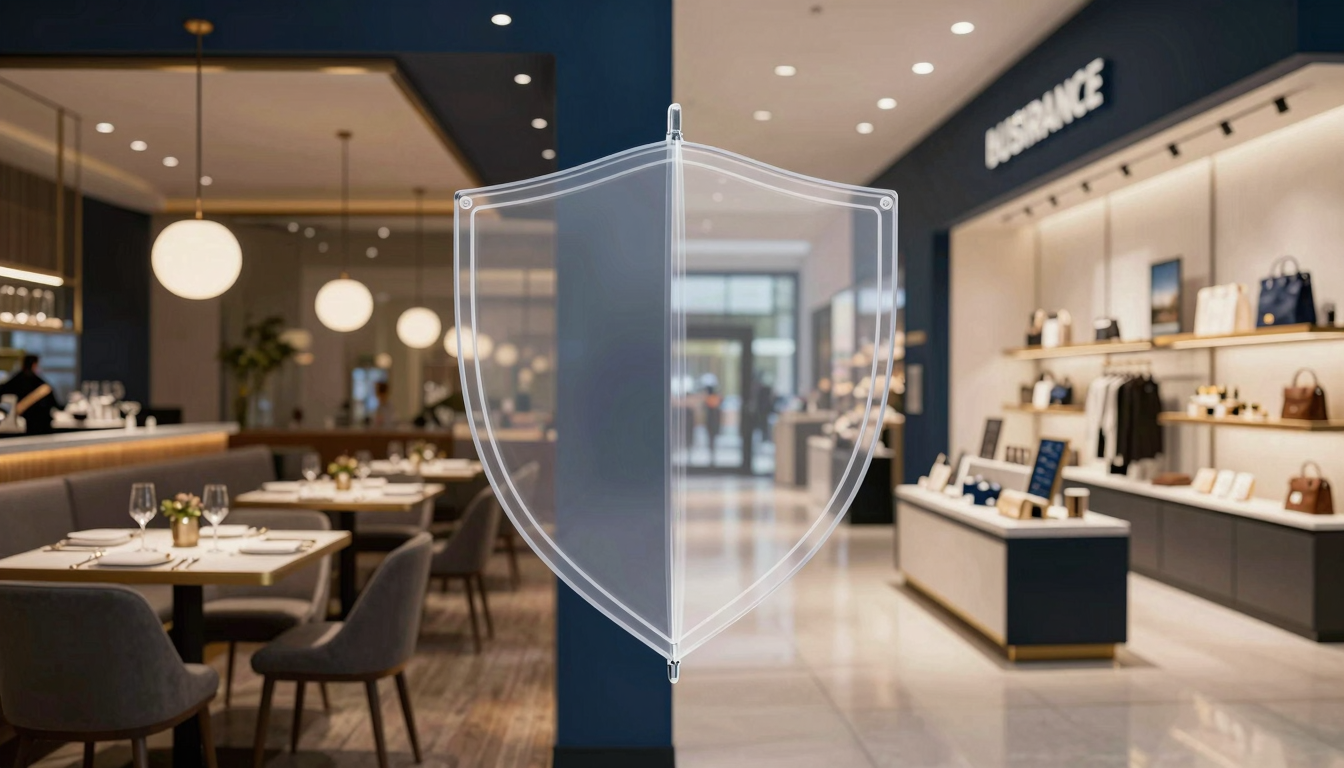
Understanding Liability Insurance for Restaurants and Retail Stores
Understanding liability insurance for restaurants and retail stores
In today’s bustling commercial landscape, business owners operating restaurants and retail stores face numerous risks that could potentially devastate their operations and finances. From customer injuries to property damage claims, the exposure to liability is substantial and often underestimated. Liability insurance serves as a critical protective barrier for these businesses, offering financial coverage when accidents or incidents occur on premises. Understanding the nuances of liability insurance has become essential for business owners who want to safeguard their investments, protect their employees, and maintain customer trust. This article explores the fundamental aspects of liability insurance specifically tailored for restaurants and retail stores, examining what it covers, why it matters, and how to select the right policy for your business needs.
What is general liability insurance and why businesses need it
General liability insurance is the foundation of risk management for any restaurant or retail operation. This type of coverage protects businesses from financial losses resulting from bodily injury, property damage, and advertising injury claims made by third parties. When a customer slips on a wet floor in your store or falls ill after consuming food at your restaurant, your general liability policy steps in to cover medical expenses, legal fees, and settlement costs.
The importance of this coverage cannot be overstated. Consider the following scenarios that regularly occur in the retail and food service industries:
- A customer suffers a fractured bone after tripping over merchandise displays
- A diner experiences food poisoning from contaminated food
- Someone is injured by a falling ceiling fixture or unstable shelving unit
- A customer’s personal property is damaged due to business operations
Without liability insurance, your business would be responsible for covering all associated costs directly from your operating funds. A single serious injury claim can result in expenses exceeding $100,000 or more, which could force a small business into bankruptcy. General liability insurance transfers this financial risk to an insurance carrier, allowing your business to continue operating even after significant incidents occur.
Additionally, many commercial landlords and business partners require tenants and contractors to maintain general liability insurance before they can occupy space or conduct business. This requirement has become standard practice in commercial lease agreements, making liability insurance not just prudent but often mandatory for operating a legitimate business.
Industry-specific coverage for restaurants versus retail stores
While both restaurants and retail stores benefit from general liability insurance, their specific risk profiles differ significantly, necessitating tailored coverage options. Understanding these distinctions helps business owners select appropriate policies that address their unique operational challenges.
Restaurant-specific considerations include food-related risks that retail stores simply do not encounter. Restaurants face particular exposure through:
- Food poisoning and foodborne illness claims
- Allergen contamination incidents
- Employee injury in high-heat kitchen environments
- Burns and scalding accidents
- Cross-contamination between food items
For these reasons, restaurants often need specialized food service liability insurance in addition to standard general liability coverage. This specialized policy specifically addresses the unique hazards of food preparation and service, offering protection that general liability policies may exclude or limit.
Retail stores, conversely, face different predominant risks. Their liability concerns center around:
- Slip and fall accidents throughout the store
- Injuries from falling merchandise or fixtures
- Product liability claims if merchandise causes injury
- Customer incidents in parking areas and entryways
- Damage to customer property while in the store
Retail operations may benefit from product liability insurance if they sell goods that could cause injury. A clothing retailer might not need this, but a store selling tools, electronics, or sporting equipment should consider it.
| Coverage Type | Restaurant Focus | Retail Focus |
|---|---|---|
| Food Service Liability | Essential | Not applicable |
| General Liability | Essential | Essential |
| Product Liability | Limited need | Often essential |
| Workers Compensation | Essential | Essential |
| Liquor Liability | If serving alcohol | Not applicable |
| Property Insurance | Recommended | Recommended |
The intersection of these coverage types creates comprehensive protection. A restaurant that serves alcohol, for instance, should add liquor liability insurance to their policy bundle, as alcohol service introduces additional legal and financial risks that standard policies may not adequately address.
Coverage limits, deductibles, and policy selection
Selecting appropriate coverage limits represents one of the most critical decisions business owners make when purchasing liability insurance. Coverage limits determine the maximum amount an insurance company will pay for claims, making this decision directly tied to your financial protection.
Typical general liability policies offer coverage limits structured in two ways: per-occurrence limits (the maximum paid for a single incident) and aggregate limits (the total paid across all claims in a policy period). A common policy structure might read “1 million per occurrence / 2 million aggregate,” meaning the insurer will pay up to 1 million dollars for any single claim and up to 2 million total during the policy year.
Determining appropriate limits requires honest assessment of your business operations. Consider:
- The number of customers you serve daily or weekly
- The types of injuries that could realistically occur in your space
- Your lease requirements and landlord demands
- Your industry’s standard coverage levels
- Your financial capacity to handle deductibles
- Your assets that could be at risk in a lawsuit
Most insurance professionals recommend that restaurants and retail stores carry minimum coverage of 1 million per occurrence, though many opt for 2 million or higher depending on their specific circumstances. Larger establishments with more customer traffic typically require higher limits to adequately protect against catastrophic losses.
Deductibles work inversely to premiums. A policy with a higher deductible (the amount you pay out-of-pocket before insurance coverage begins) costs less in monthly or annual premiums, while lower deductibles cost more but require less immediate payment when claims occur. Most businesses select deductibles between $500 and $2,500, balancing premium costs against their ability to cover sudden expenses.
Business owners should also understand that choosing coverage limits is not a static decision. As your business grows, changes locations, or expands its offerings, you should revisit your policy to ensure continued adequate protection. Underinsurance can prove just as problematic as having no insurance at all, leaving your business vulnerable to catastrophic losses that exceed your coverage.
Claims process and maintaining compliance
Understanding how to properly file a claim and maintain insurance compliance protects your business during difficult times. When an incident occurs that could potentially result in a liability claim, prompt and accurate reporting becomes essential.
Most insurance policies require that you report incidents within a specific timeframe, typically between 24 to 72 hours of the occurrence. Delays in reporting can jeopardize your claim, so establishing clear incident reporting procedures within your organization helps ensure compliance. Your staff should know to immediately document:
- Date, time, and precise location of the incident
- Detailed description of what occurred
- Names and contact information of all involved parties
- Names and contact information of witnesses
- Photographs or video evidence of the incident scene
- Any medical attention provided or sought
- Equipment or products involved in the incident
Beyond incident reporting, maintaining policy compliance involves several ongoing responsibilities. You must keep your coverage active with timely premium payments, update your insurer about significant business changes, and cooperate fully with claim investigations. Failure to maintain compliance can result in coverage denial when you need it most.
Regular policy reviews with your insurance agent ensure your coverage remains appropriate. Annual meetings to discuss business changes, customer volume fluctuations, or new service offerings (like adding alcohol service to a restaurant) help keep your policy aligned with current operations. Insurance needs evolve as businesses grow, so this ongoing dialogue protects against gaps in coverage.
Additionally, implementing strong loss prevention practices demonstrates to insurers that you take risk management seriously and can result in lower premiums. Regular maintenance of facilities, staff training on safety procedures, clear signage warning of hazards, and documented incident tracking all contribute to safer operations and better insurance outcomes.
Conclusion
Liability insurance represents an indispensable investment for restaurant and retail business owners seeking to protect their operations, assets, and livelihoods. Throughout this article, we have examined how general liability coverage forms the foundation of risk management, while industry-specific policies address unique operational hazards. The differences between restaurant and retail liability needs underscore the importance of customizing coverage to match your specific business model and operational risks. Selecting appropriate coverage limits and deductibles requires careful consideration of your business size, customer volume, and financial capacity. Finally, understanding the claims process and maintaining proactive compliance ensures that your insurance protection remains effective when accidents inevitably occur. As a business owner, recognizing that liability insurance is not an unnecessary expense but rather essential protection allows you to operate with confidence. By taking time to thoroughly understand your coverage options and selecting policies that appropriately match your business needs, you create a safety net that protects against the unexpected. In the dynamic environments of restaurants and retail, where customer interactions occur constantly, this protection becomes not just recommended but genuinely essential for long-term business success.

news via inbox
Nulla turp dis cursus. Integer liberos euismod pretium faucibua

