
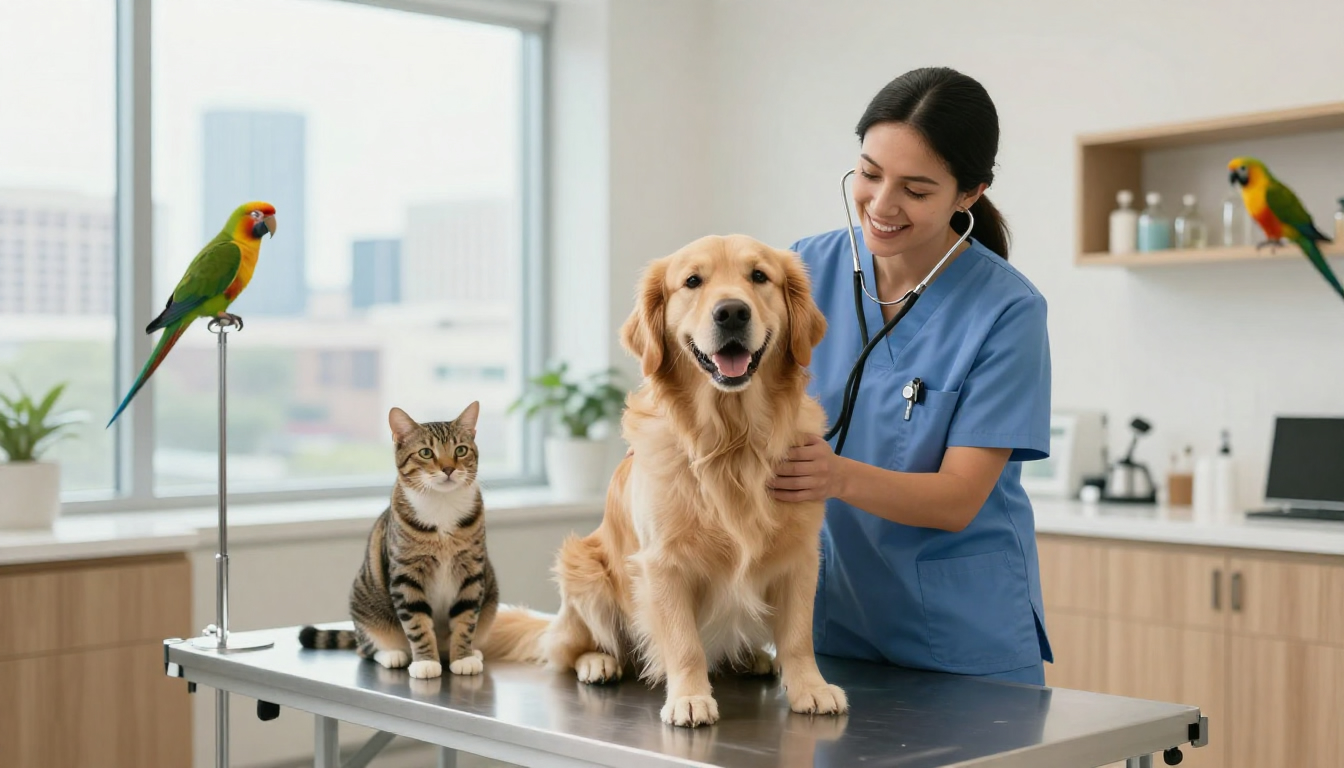
Comprehensive Guide to Pet Insurance for Dogs, Cats, and Exotic Pets
Comprehensive guide to pet insurance for dogs, cats, and exotic pets
Introduction
Pet ownership comes with significant financial responsibilities, and unexpected veterinary emergencies can quickly drain your savings. Pet insurance has emerged as a practical solution to help pet owners manage healthcare costs while ensuring their beloved companions receive the care they need. Whether you own a dog, cat, or more exotic pet, understanding the ins and outs of pet insurance can make a substantial difference in your ability to afford quality veterinary treatment. This comprehensive guide explores the fundamentals of pet insurance across different species, examines the various coverage options available, compares major providers, and helps you navigate the decision-making process. By the end of this article, you’ll have the knowledge necessary to select the right pet insurance plan that aligns with your pet’s needs and your budget, ensuring your furry or scaly friend receives optimal care throughout their life.
Understanding pet insurance basics
Pet insurance operates differently from human health insurance, and understanding these distinctions is crucial before selecting a plan. Most pet insurance policies function on a reimbursement model, meaning you pay the veterinary bill upfront and then submit a claim to receive reimbursement for eligible expenses. This structure differs significantly from human insurance, where providers often work directly with healthcare facilities.
The three primary components of any pet insurance policy are the deductible, the coverage percentage, and the annual limit. The deductible is the amount you must pay out of pocket before the insurance company begins reimbursing claims. Coverage percentages typically range from 70 to 90 percent, meaning the insurer reimburses that percentage of eligible veterinary costs after you’ve met your deductible. Annual limits represent the maximum amount the insurance company will pay in a given year, though some providers offer unlimited coverage options at higher premium costs.
Pet insurance generally falls into two categories: accident and illness coverage and wellness or preventative care coverage. Accident and illness policies cover unexpected health problems and emergency situations, while wellness plans cover routine preventative care such as vaccinations, dental cleanings, and annual check-ups. Many policies allow you to customize your coverage by selecting which components you want included in your plan.
One important distinction to understand is that pet insurance does not cover pre-existing conditions. A pre-existing condition is any illness or injury your pet had before the policy’s effective date. This means if your dog had a previous knee injury before purchasing insurance, any future treatment related to that injury would not be covered. Additionally, breed-specific conditions may be excluded or have waiting periods before coverage begins, particularly for dogs prone to hip dysplasia or other genetic conditions.
The waiting period is another critical element to consider. Most insurers implement a waiting period between the time you purchase a policy and when coverage becomes active. Typical waiting periods range from 14 to 30 days for general illnesses, though injuries may have shorter waiting periods. Some policies include longer waiting periods specifically for orthopedic conditions like hip dysplasia, sometimes extending up to 12 months.
Coverage options for dogs and cats
Dogs and cats represent the most commonly insured pets, and insurance companies have developed sophisticated plans tailored to their specific health needs and risk factors. Understanding the differences between coverage types helps you select the most appropriate option for your situation.
Accident-only coverage is the most basic and affordable option. This plan covers injuries sustained through accidents, such as broken bones, poisoning, or trauma from being hit by a vehicle. However, it does not cover illnesses like cancer, diabetes, or infections. This option appeals to owners who want catastrophic coverage but are willing to self-insure for illness-related veterinary costs. The monthly premiums for accident-only coverage typically range from $10 to $25 for dogs, depending on age, breed, and location.
Comprehensive accident and illness coverage represents the most popular choice among pet owners. This plan covers both accidents and illnesses, providing broader protection against unexpected health problems. Owners selecting this option receive coverage for conditions like cancer, digestive issues, infections, and behavioral problems. Premiums for this type of coverage generally range from $25 to $60 monthly for dogs and $15 to $40 for cats, though costs increase significantly for older pets or those with breed-specific predispositions to certain conditions.
Wellness add-ons can be attached to either accident-only or comprehensive plans. These supplementary coverages include routine veterinary care such as annual wellness exams, vaccinations, flea and tick prevention, dental cleanings, and heartworm testing. Wellness add-ons typically cost an additional $15 to $30 per month but can provide excellent value if your pet requires regular preventative care. Many owners find that wellness add-ons pay for themselves through discounted preventative services alone.
When evaluating plans for dogs, consider your breed’s specific health predispositions. Large breed dogs face higher risks of hip dysplasia, elbow dysplasia, and bloat, making comprehensive coverage particularly valuable. Small breed dogs often encounter dental issues, patellar luxation, and heart conditions. Cats, while generally less prone to breed-specific conditions than dogs, benefit from coverage for urinary tract problems, kidney disease, and thyroid conditions, which become increasingly common with age.
The table below provides a comparison of typical coverage options available for dogs and cats:
| Coverage type | Accidents covered | Illnesses covered | Preventative care | Typical monthly cost (dog) | Typical monthly cost (cat) |
|---|---|---|---|---|---|
| Accident-only | Yes | No | No | $10-$25 | $8-$15 |
| Accident and illness | Yes | Yes | No | $25-$60 | $15-$40 |
| Comprehensive with wellness | Yes | Yes | Yes | $40-$90 | $30-$65 |
Specialized insurance for exotic pets
Exotic pet ownership has grown considerably, and specialized insurance options have emerged to address the unique healthcare needs of these animals. Unlike dogs and cats, exotic pets require veterinary care from specialists experienced in treating non-traditional animals, making insurance particularly valuable.
Reptiles and amphibians represent some of the most challenging pets to insure due to their specific environmental and dietary requirements. Bearded dragons, ball pythons, corn snakes, and other reptiles require specialized veterinary care that can be surprisingly expensive. Treatments for metabolic bone disease, respiratory infections, and parasitic infestations can easily exceed $1,000. Only a handful of insurers offer coverage for reptiles, and policies typically have lower annual limits ranging from $3,000 to $7,500 annually compared to $15,000 or more for dogs and cats.
Small mammals including rabbits, guinea pigs, hamsters, and ferrets face similar challenges. These animals are prone to conditions like malocclusion (teeth misalignment), digestive stasis, and respiratory infections that require specialized veterinary expertise. Ferrets deserve particular attention as they’re prone to serious health conditions like adrenal disease and insulinoma. Insurance for small mammals typically costs $20 to $35 monthly but often comes with more restrictive annual limits and coverage exclusions.
Birds, whether pet parrots, cockatiels, or other species, require specialized avian veterinarians for proper care. Avian insurance covers conditions like psittacosis, feather plucking disorders, and traumatic injuries. However, comprehensive exotic pet insurance is limited, and many policies focus primarily on major accidents rather than chronic illness management. Monthly premiums for bird insurance typically range from $15 to $30, with annual limits often capped at $5,000.
Finding insurance for exotic pets requires more research and diligence than for traditional pets. Many mainstream insurers have eliminated exotic pet coverage due to the complexity of claims assessment and the specialized nature of veterinary care required. When seeking exotic pet insurance, verify that the insurer works with veterinarians who specialize in your pet’s species, as this significantly affects your ability to file successful claims. Additionally, check whether the policy covers diagnostic imaging specific to your animal type, as this is often where exotic pet medical costs accumulate most significantly.
Some exotic pet owners find that joining breed-specific organizations or exotic pet clubs provides access to specialized insurance options or group rates not available through mainstream insurers. These organizations often have partnerships with insurers familiar with the health risks specific to particular species.
Evaluating and selecting the right policy
With countless pet insurance providers offering varying coverage options, selecting the right policy requires careful evaluation of multiple factors beyond just monthly cost. Your decision should account for your pet’s age, health status, breed predispositions, your financial situation, and your veterinary preferences.
Age at enrollment significantly impacts premiums and coverage availability. Most insurers prefer to enroll pets while they’re young and healthy, as this allows them to avoid covering pre-existing conditions and assess baseline health. Premiums increase substantially with age, and some insurers may deny coverage to pets over a certain age, typically 10 to 14 years old depending on the provider. Enrolling your pet when they’re young, ideally within the first year of life, ensures you have comprehensive coverage as they age and face increased health risks.
Reviewing claim processes and reimbursement timelines proves essential before committing to a policy. Research how each company handles claims, whether they offer direct payment to veterinarians or require you to pay and seek reimbursement. Check average reimbursement times, as some companies process claims within days while others may take several weeks. Read customer reviews specifically addressing claim filing experiences, as this often reveals whether companies fairly evaluate claims or frequently deny legitimate expenses.
Checking network restrictions is crucial, particularly for exotic pet insurance. Most pet insurers allow you to visit any licensed veterinarian, which differs from human insurance with network restrictions. However, some exotic pet insurers maintain limited networks of veterinarians experienced with specific species. Verify that in-network specialists near you exist before purchasing a policy, as this affects your ability to access quality care.
Comparing deductible structures requires understanding whether companies offer per-incident deductibles or annual deductibles. A per-incident deductible means you pay the deductible amount each time you file a claim, potentially costing you significantly more if your pet has multiple health issues throughout the year. An annual deductible means you meet it once yearly regardless of claim frequency. When evaluating total annual costs, factor in how often you anticipate using insurance and multiply potential claim frequencies by the deductible amount.
Investigating breed-specific exclusions becomes particularly important for dogs with known genetic predispositions to health conditions. Research whether your breed has exclusions for common conditions and understand when coverage for these conditions begins. Some insurers exclude breed-specific conditions entirely, while others impose waiting periods. For example, Golden Retrievers prone to hip dysplasia might face 12-month waiting periods before hip dysplasia coverage becomes active.
Take time to read policy fine print, paying special attention to what is specifically excluded from coverage. Look for terms like “hereditary conditions,” “congenital abnormalities,” and “behavioral issues.” Understanding exactly what your policy covers and excludes prevents costly surprises when you attempt to file claims during emergencies.
Maximizing your pet insurance value
Simply purchasing pet insurance doesn’t guarantee optimal use of your coverage. Strategic approaches to managing your pet’s healthcare alongside your insurance policy can significantly enhance the overall value you receive.
Maintaining preventative care forms the foundation of minimizing insurance claims while keeping your pet healthy. Regular veterinary check-ups allow early detection of health problems before they become serious and expensive. A $50 annual wellness exam that identifies early kidney disease can prevent thousands of dollars in future dialysis treatment costs. Keeping vaccinations current, maintaining dental health, and staying current with parasite prevention all reduce the likelihood of expensive emergency interventions that would strain your insurance coverage limits.
Understanding your coverage limits and planning accordingly prevents unexpected out-of-pocket expenses. If your annual limit is $15,000 and you have a pet with a chronic condition requiring ongoing treatment, you may exhaust this limit before year-end. Consider how your pet’s health trajectory might affect coverage limits and discuss this openly with your veterinarian when planning treatment options.
Documenting health conditions thoroughly helps prevent coverage denials based on pre-existing condition claims. Keep detailed records of all veterinary visits, diagnoses, and treatments. If your insurance company questions whether a condition existed before your policy’s effective date, solid medical records provide crucial evidence. This documentation becomes particularly important when switching between insurance providers.
Utilizing wellness benefits strategically requires understanding what your policy covers. If you have a wellness add-on that covers dental cleanings, schedule this during the covered period rather than paying out-of-pocket. Many wellness plans cover specific vaccines and preventative medications at reduced costs compared to paying directly to the veterinarian.
Having honest conversations with your veterinarian about your insurance coverage ensures you understand your financial obligations before treatments begin. Inform your vet about your insurance details so they can provide cost estimates that account for your coverage levels. This transparency allows you to make informed decisions about treatment options, understanding both the clinical benefits and financial implications of different approaches.
Building a financial emergency fund alongside your insurance provides an additional safety net. While insurance covers significant portions of veterinary costs, deductibles, co-insurance amounts, and non-covered services can still create substantial expenses. Having $2,000 to $5,000 in dedicated pet emergency funds ensures you can afford care even when insurance doesn’t fully cover costs.
Conclusion
Pet insurance represents a practical and valuable investment for responsible pet owners seeking to provide their animals with comprehensive healthcare while managing costs. Throughout this guide, we’ve explored how pet insurance works, examined coverage options for dogs, cats, and exotic pets, and discussed strategies for selecting and maximizing your policy’s value. The right pet insurance plan differs for each owner based on their pet’s species, age, health status, breed predispositions, and personal financial circumstances. Rather than viewing insurance as an unnecessary expense, consider it an essential component of responsible pet ownership that provides peace of mind during veterinary emergencies and ensures you can afford quality care without financial hardship. By carefully evaluating your options, understanding policy terms, and maintaining preventative care, you create a robust healthcare plan that protects your pet’s wellbeing throughout their life. Whether you choose comprehensive coverage for a young dog, accident-only protection for a healthy cat, or specialized insurance for an exotic pet, the key is selecting coverage that aligns with your circumstances and your pet’s needs. Your pet depends on you to make informed healthcare decisions, and pet insurance empowers you to choose the best treatments based on medical needs rather than financial constraints.

news via inbox
Nulla turp dis cursus. Integer liberos euismod pretium faucibua

