Understanding Commercial Insurance Needs for Retail Stores
Understanding commercial insurance needs for retail stores is essential for business owners looking to protect their operations from unexpected risks. Retail stores face a unique set of challenges, from property damage to liability claims, which can have significant financial consequences if not properly insured. This article explores the key insurance policies suitable for retail environments, the risks they cover, and how to tailor coverage to fit different retail models. By understanding these aspects, retail owners can make informed decisions to safeguard both their physical assets and legal interests. Whether running a small boutique or a larger store, knowing how commercial insurance works will help mitigate losses and support long-term stability.
Identifying the primary risks in retail operations
Retail stores are exposed to a variety of risks that can disrupt business continuity and impact profitability. One of the most common threats is property damage caused by fire, theft, or natural disasters. Additionally, many retail stores face the risk of liability claims stemming from customer injuries or product malfunctions. Employee-related risks such as workers’ compensation claims also warrant consideration. Understanding these risks is crucial because it guides store owners in selecting insurance policies that effectively address their specific vulnerabilities.
Essential types of commercial insurance for retail stores
There are several insurance policies that retail businesses typically require to cover their diverse risks. These include:
- General liability insurance: Protects against claims related to bodily injury or property damage occurring on the premises.
- Commercial property insurance: Covers loss or damage to the physical store, inventory, and equipment.
- Business interruption insurance: Provides compensation for lost income if operations are temporarily suspended due to a covered peril.
- Workers’ compensation insurance: Covers medical expenses and lost wages for employees injured on the job.
- Product liability insurance: Protects against claims arising from defective or harmful products sold by the store.
Choosing the right mix depends on the size, location, and nature of the retail operation.
Customizing insurance coverage based on retail store specifics
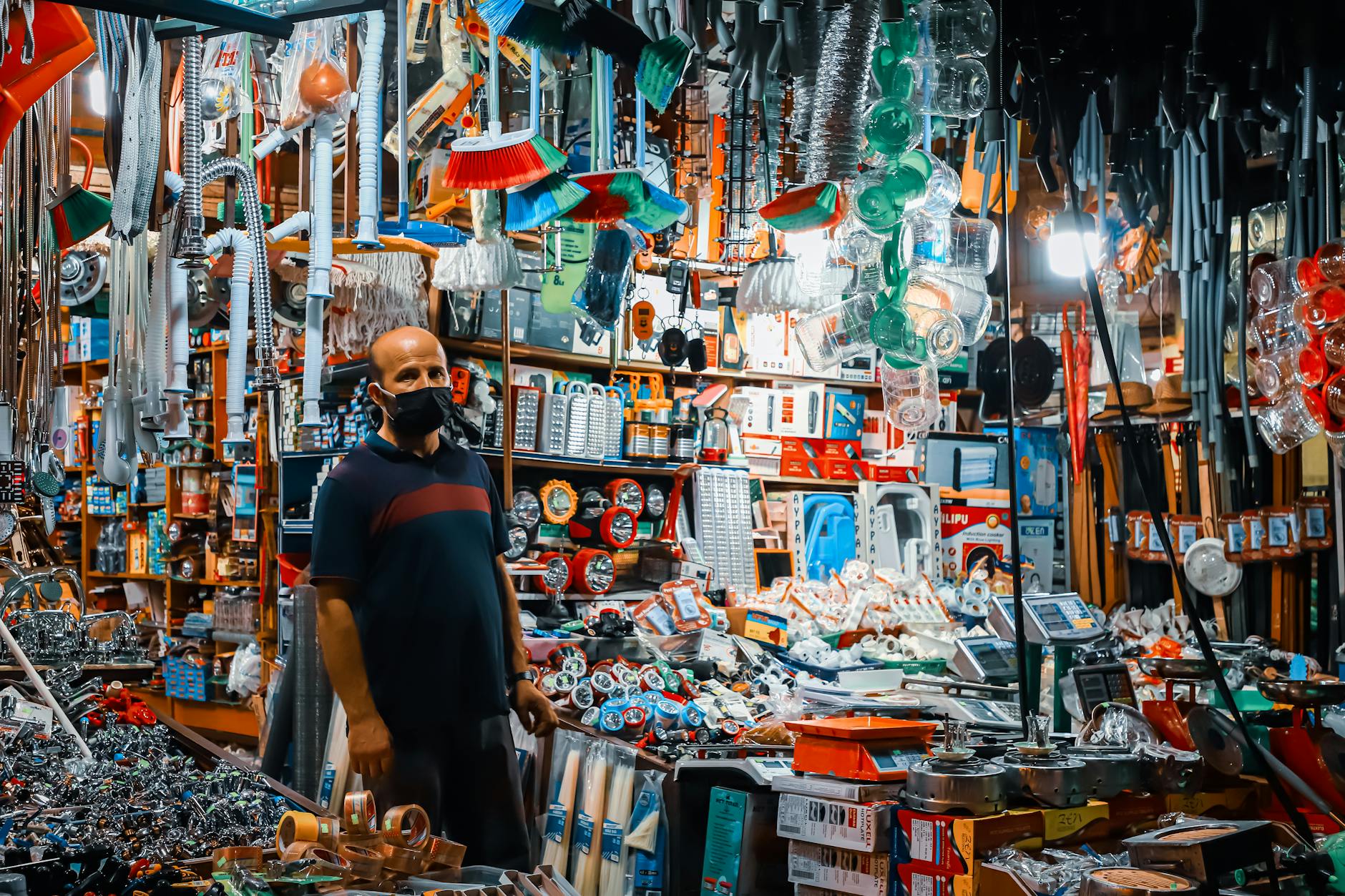
One-size-fits-all insurance rarely works well in retail. For example, a clothing boutique will have different inventory risks compared to a hardware store. Some considerations for tailoring insurance include:
- Inventory value: High-value or seasonal inventory may require increased property coverage.
- Store location: Businesses in flood-prone areas might need additional flood insurance policies.
- Customer foot traffic: Stores with heavy traffic could face higher liability exposure.
- Business model: Online retail components might necessitate cyber liability insurance.
Collaborating with an experienced insurance agent ensures the policy aligns with unique business needs.
Comparing retail insurance coverage options
When evaluating insurance providers, it’s important to compare not only premiums but also coverage limits, exclusions, and policy flexibility. Below is a simple table illustrating differences between common coverage types:
| Insurance type | Coverage | Typical limits | Key benefits |
|---|---|---|---|
| General liability | Injury to customers, property damage | $1M to $3M per occurrence | Covers legal fees and damages |
| Commercial property | Building, equipment, inventory damage | Varies by property value | Protects physical assets |
| Business interruption | Lost income due to business closure | Based on revenue | Maintains cash flow during repairs |
| Workers’ compensation | Employee injury claims | Statutory limits | Compliance with labor laws |
Careful review and comparison ensure you’re getting comprehensive protection at a competitive price.
Conclusion
Understanding the commercial insurance needs of retail stores is fundamental to protecting against various operational risks. From physical property threats to liability concerns, each retail business faces unique exposures requiring carefully chosen coverage. Key policies like general liability, commercial property, and business interruption insurance make up the foundational safeguards, but customization is essential to fit specific store characteristics such as inventory type and location. By comparing coverage options and working with knowledgeable agents, retail owners can secure comprehensive protection suited to their business scale and model. Ultimately, well-planned insurance coverage ensures that retail stores maintain resilience against financial shocks and continue serving their customers effectively.
Image by: Emrah Yazıcıoğlu
https://www.pexels.com/@emrah-yazicioglu-275583761

news via inbox
Nulla turp dis cursus. Integer liberos euismod pretium faucibua