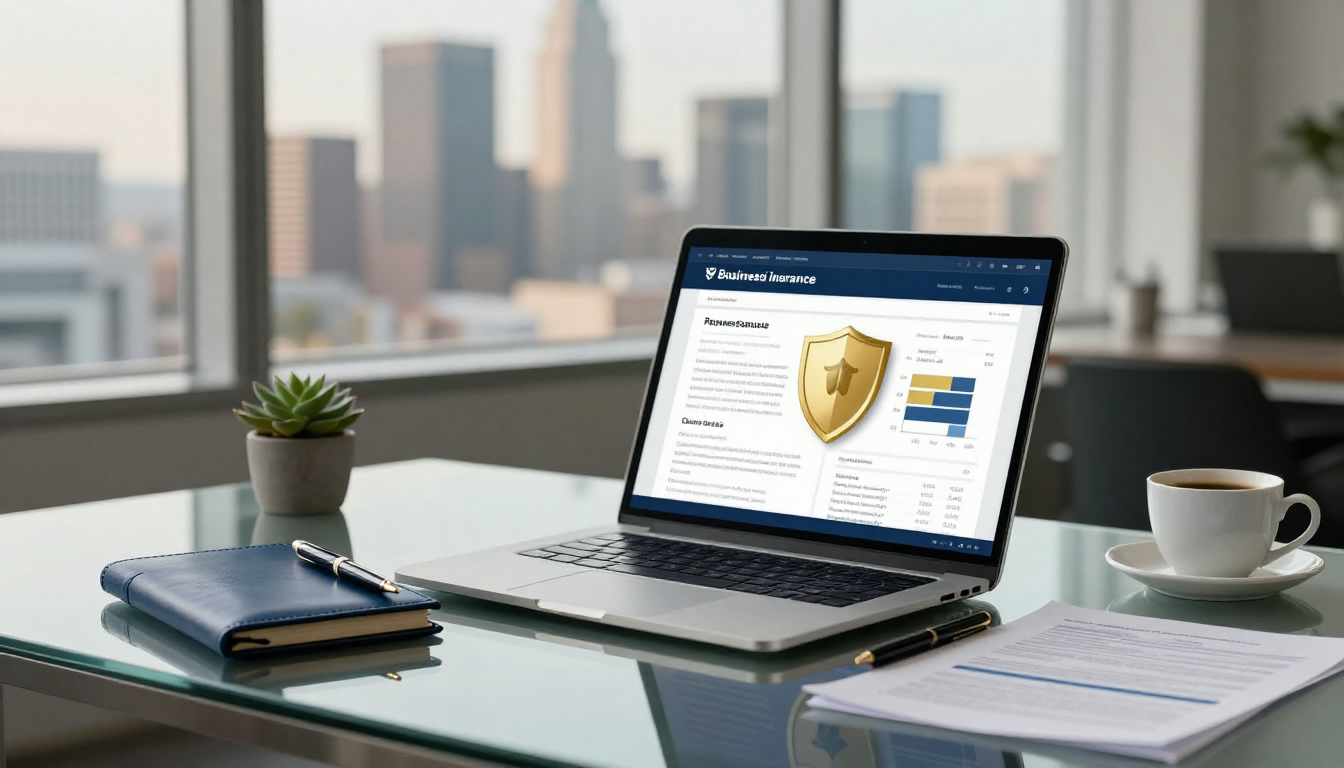
Understanding Commercial Insurance Needs for Retail Stores
Understanding commercial insurance needs for retail stores is crucial for protecting your business against unforeseen risks that could disrupt operations or lead to significant financial loss. Retail stores face unique vulnerabilities such as property damage, liability claims, or inventory loss, and choosing the right insurance coverage helps mitigate these risks effectively. This article will explore the core types of insurance policies relevant to retail businesses, the factors influencing coverage needs, and strategies to customize insurance plans based on store size and product type. By understanding these elements, retail store owners can safeguard their investments, employees, and customers while ensuring compliance with legal requirements.
Key types of insurance for retail stores
Retail stores require a combination of insurance policies to cover different aspects of their operations. Some of the essential types include:
- Property insurance: Covers damage to the physical store, equipment, signage, and inventory caused by fire, theft, vandalism, or natural disasters.
- General liability insurance: Protects against third-party claims for bodily injury or property damage occurring on the premises.
- Product liability insurance: Important for stores that manufacture or sell products, it covers claims related to defects or harm caused by sold items.
- Business interruption insurance: Provides compensation for lost income if the store must close temporarily due to a covered event affecting normal operations.
- Workers’ compensation insurance: Required in most states, it covers medical expenses and lost wages for employees injured on the job.
- Cyber liability insurance: Increasingly relevant for retail stores that handle online sales and customer data, protecting against breaches or data loss.
Assessing risk factors specific to retail environments
Understanding the risks associated with retail stores is essential to determine the right level of coverage. Factors to consider include the store’s location, the nature of its products, and foot traffic volume:
- Location: Urban stores may face higher risks of theft or vandalism, while rural areas might be more vulnerable to natural disasters.
- Product type: Stores carrying electronics or expensive jewelry may require higher property and theft coverage.
- Customer interaction: High foot traffic increases liability exposure, making general liability insurance critical.
- Employee count and roles: More employees and roles involving manual labor or machinery can increase workers’ compensation needs.
Customizing insurance coverage based on store size and operations
Insurance needs vary greatly depending on the scale and complexity of the retail business. Here’s a simple overview of how coverage adjusts:
| Store size | Common risks | Recommended insurance focus |
|---|---|---|
| Small boutique | Low foot traffic, limited inventory | Property insurance, general liability, business interruption |
| Medium-sized retailer | Moderate inventory, higher customer volume | All small boutique coverage plus product liability and workers’ compensation |
| Large retail chain | Multiple locations, extensive inventory, large workforce | Comprehensive coverage including cyber liability, commercial auto, and umbrella policies |
Retailers should regularly review their insurance policies to ensure they reflect current risks and growth.
Legal and regulatory considerations
Compliance with local, state, and federal regulations is another essential aspect of commercial insurance for retail stores. Several insurance types are mandatory, depending on location:
- Workers’ compensation: Legally required in most regions.
- Unemployment insurance: Typically mandated for any business with employees.
- General liability: Sometimes required under lease agreements or contracts.
Noncompliance can lead to penalties, fines, or litigation, highlighting the need for store owners to understand their legal insurance obligations in addition to risk management.
Conclusion
In summary, retail stores operate within a complex risk environment that includes property damage, liability exposure, employee safety, and customer data protection. Understanding the essential types of insurance—ranging from property to cyber liability—enables retail business owners to build comprehensive protection plans tailored to their unique operational realities. Evaluating risks based on location, product lines, and size ensures that the coverage matches each store’s specific needs without paying for unnecessary policies. Additionally, adhering to legal insurance requirements helps maintain compliance and avoid costly penalties. By carefully assessing these factors and regularly updating insurance plans, retail stores can secure their financial health and long-term sustainability in an increasingly competitive marketplace.
Image by: Max Fischer
https://www.pexels.com/@max-fischer

news via inbox
Nulla turp dis cursus. Integer liberos euismod pretium faucibua