Understanding Commercial Insurance Needs for Retail and Office Spaces
Understanding commercial insurance needs for retail and office spaces is essential for business owners who want to protect their investments and ensure operational continuity. Retail stores and office spaces face unique risks and liabilities that require tailored insurance solutions. From property damage and liability claims to business interruption and employee-related risks, understanding the specific coverage required can save businesses from significant financial losses. This article explores the core insurance needs for these commercial properties, guiding business owners through the complexities of various policies, highlighting crucial considerations, and helping them make informed decisions to safeguard their commercial enterprises effectively.
Assessing the unique risks of retail and office spaces
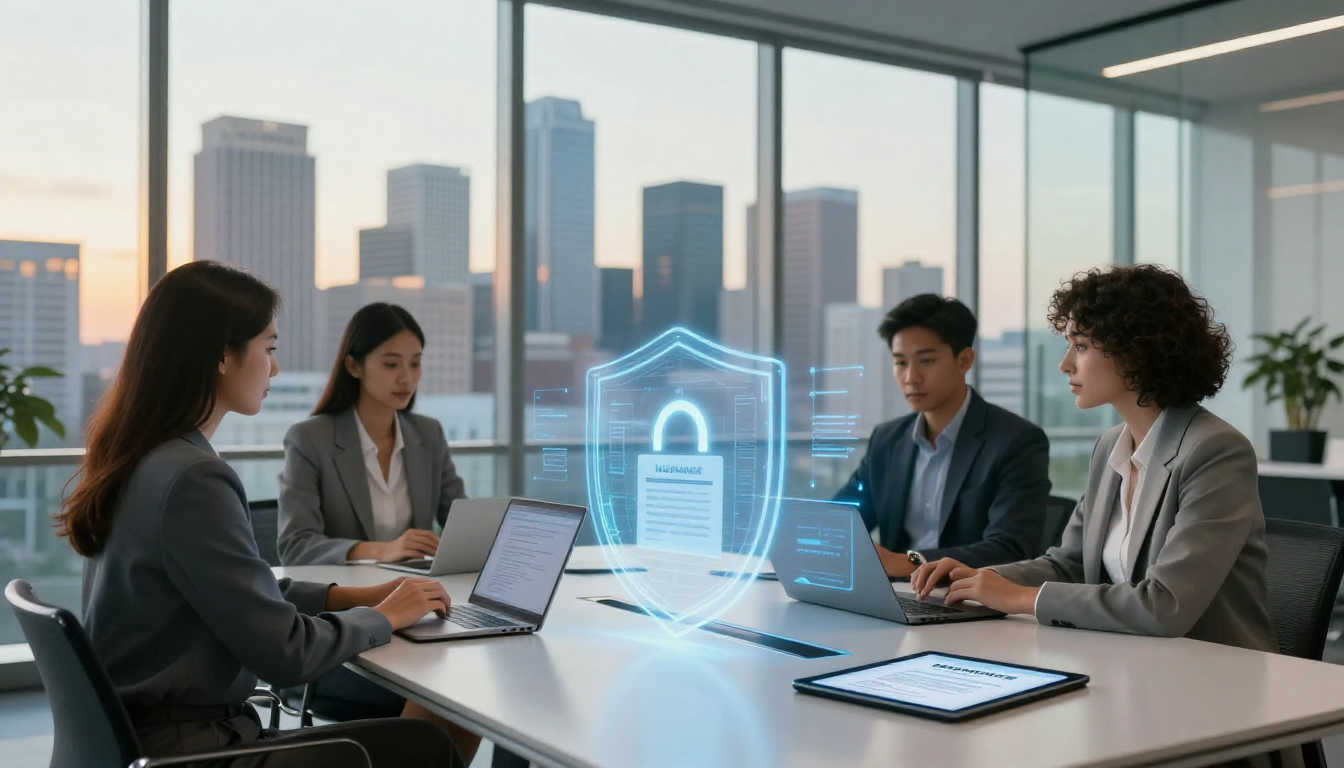
Retail and office spaces encounter different challenges due to the nature of their operations and customer interactions. Retail stores often experience higher foot traffic, increasing the possibility of slip-and-fall accidents, shoplifting, and inventory damage. Office environments, on the other hand, may face risks related to employee injuries, data breaches, and professional liabilities. Both types of commercial spaces are vulnerable to property damage caused by natural disasters, fire, or vandalism.
Understanding these distinct risk profiles is the first step in identifying the appropriate insurance coverage. It enables business owners to prioritize which aspects of their operations need protection, whether it’s physical assets, liability exposure, or operational interruptions.
Essential insurance coverages for retail and office properties
There are several key insurance policies that business owners should consider when protecting their retail or office spaces:
- Property insurance: Covers damage to the building, equipment, inventory, and fixtures due to fire, theft, or natural disasters.
- General liability insurance: Protects against third-party claims arising from bodily injury or property damage occurring on the premises.
- Business interruption insurance: Covers lost income and operating expenses if the business is temporarily forced to close due to a covered event.
- Workers’ compensation insurance: Provides medical benefits and wage replacement for employees injured on the job.
- Cyber liability insurance: Particularly relevant for office spaces, this policy protects against data breaches and cyberattacks.
Each coverage addresses different vulnerabilities, and often a customized combination is necessary for comprehensive protection.
Factors influencing insurance needs and policy selection
Several factors impact the type and extent of insurance required, including:
| Factor | Impact on Insurance Needs |
|---|---|
| Location | Businesses located in high-risk areas (prone to floods, earthquakes, or crime) may require specialized coverage or endorsements. |
| Size and value of the property | Larger properties or those with expensive equipment and inventory require higher coverage limits. |
| Type of business operations | The nature of business activities determines liability exposures and the need for professional or product liability insurance. |
| Number of employees | Affects workers’ compensation insurance requirements and the extent of employment-related liabilities. |
| Security measures | Advanced security systems can lower insurance premiums and reduce risk profiles. |
Reviewing these factors carefully with an insurance professional helps tailor policies to specific business needs.
Integrating insurance with risk management strategies
Insurance alone cannot eliminate all risks associated with retail and office spaces. Effective risk management complements insurance coverage by reducing the likelihood and severity of losses. This includes implementing safety protocols, conducting regular employee training, maintaining security systems, and performing routine property maintenance.
When businesses actively manage risks, they may benefit from lower insurance premiums and faster claim resolutions. Furthermore, combining insurance with proactive risk reduction creates a resilient business environment prepared to withstand unexpected challenges.
Conclusion
Understanding commercial insurance needs for retail and office spaces is a critical part of protecting business assets and ensuring operational resilience. Retailers and office operators face unique risks that demand specific coverage types such as property, liability, business interruption, and workers’ compensation insurance. Factors like location, property size, business operations, and employee numbers shape the required insurance solutions. However, insurance should be seen as part of a broader risk management strategy to effectively reduce vulnerabilities and protect against financial setbacks. By carefully assessing risks, consulting with professionals, and adopting best practices, business owners can secure comprehensive coverage that supports long-term success and stability.
Image by: Jonathan Cooper
https://www.pexels.com/@theshuttervision

news via inbox
Nulla turp dis cursus. Integer liberos euismod pretium faucibua