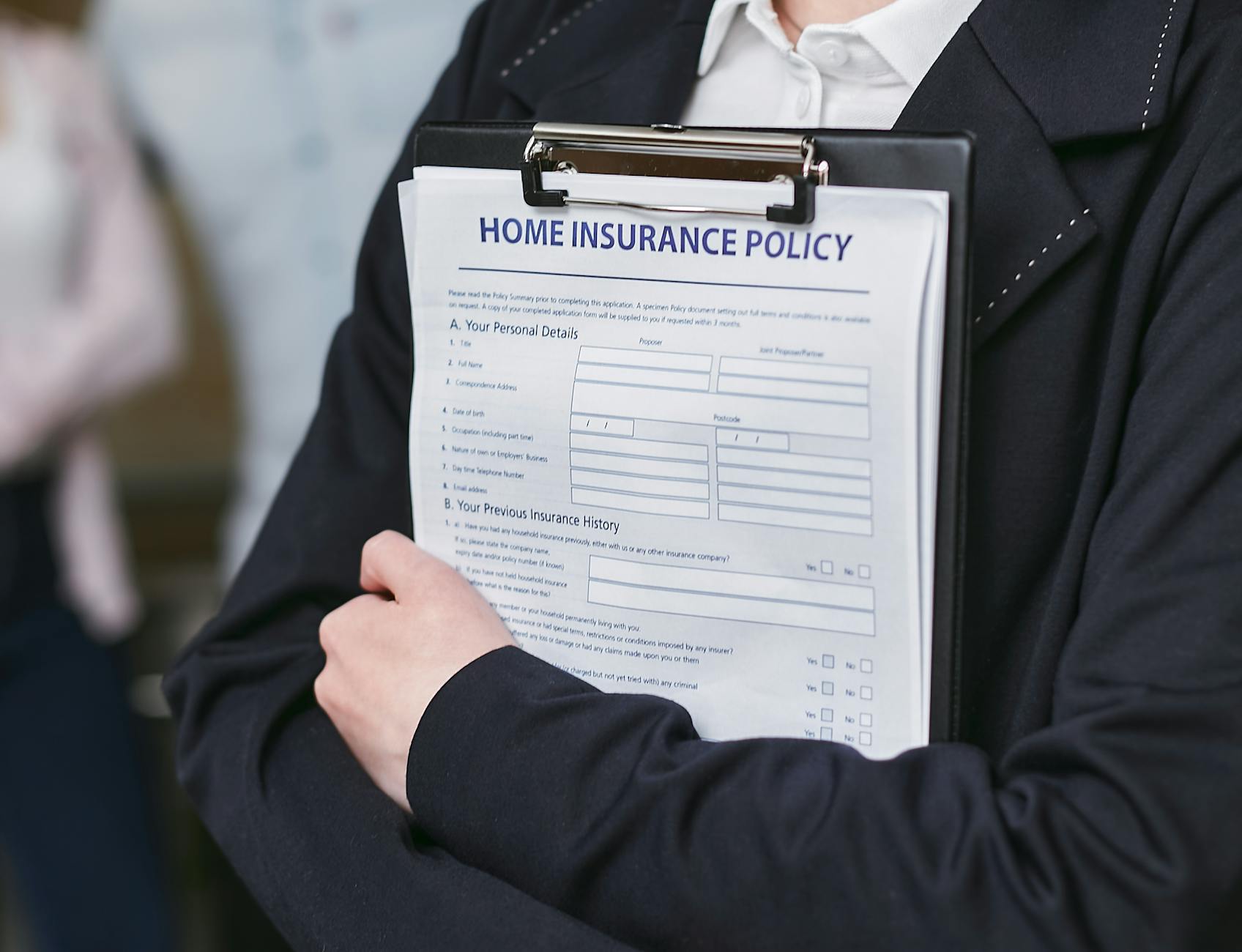
Top Strategies to Secure Affordable Commercial Insurance Coverage
Securing affordable commercial insurance coverage is a crucial concern for many business owners aiming to protect their assets while managing operational costs. Commercial insurance provides essential protection against risks such as property damage, liability claims, and business interruptions. However, the rising costs of premiums often pose challenges for small and medium-sized enterprises. This article explores top strategies to help businesses secure comprehensive coverage without breaking the bank. By understanding how to evaluate risks, compare policies, and leverage discounts, business owners can optimize their insurance investments. The following sections will provide practical advice and actionable tips designed to empower companies to safeguard their operations cost-effectively.
Assess your business risks thoroughly
Before seeking insurance quotes, it’s vital to understand the unique risks your business faces. Take a detailed inventory of your assets, operations, and potential liabilities. This proactive assessment allows you to select coverage that aligns precisely with your needs, avoiding over-insurance or under-insurance. Many insurers offer risk assessment tools or consultations to help identify exposures specific to your industry or location. For example, a retail store in a high-theft area may prioritize theft protection, whereas a construction company might focus on equipment and worker liability. Tailoring your policy ensures you pay only for relevant coverage, which can significantly reduce overall costs.
Compare policies and carriers strategically
Not all insurance providers or policies are created equal. Prices, coverage limits, and exclusions can vary widely between carriers. To secure affordable commercial insurance, it’s essential to request and compare multiple quotes. When analyzing options, consider factors such as:
- Coverage scope and limits
- Deductibles and premium amounts
- Claims handling reputation
- Financial stability of the insurer
Using comparison tools or working with an independent insurance broker can simplify this process. Brokers have access to multiple carriers and can negotiate better terms, often resulting in both cost savings and improved policy terms.
Implement risk management practices
Insurers reward businesses that demonstrate effective risk control measures. By reducing the likelihood of claims, companies can qualify for premium discounts or lower deductibles. Effective strategies include:
- Installing security systems and surveillance cameras
- Regular employee safety training and compliance programs
- Maintaining equipment and infrastructure proactively
- Adopting cybersecurity measures to protect data
These preventive steps not only minimize exposure to losses but also signal to insurers that your business is a lower risk, which translates into more affordable insurance quotes.
Leverage group policies and bundling options
Another way to secure affordable commercial insurance is by exploring group policies or bundling multiple coverages with one provider. Businesses that join trade associations or professional groups often gain access to preferential insurance rates negotiated on behalf of members. Bundling different types of insurance—such as property, liability, and workers’ compensation—can also lead to substantial discounts. Below is a typical cost comparison illustrating potential savings from bundling:
| Insurance type | Individual premium | Bundled premium | Approximate savings |
|---|---|---|---|
| Property insurance | $1,200 | $3,000 (bundle total) | $600 (17%) |
| General liability | $1,800 | ||
| Workers’ compensation | $600 |
The table demonstrates how bundling can reduce overall premiums by spreading risk and optimizing administrative costs.
Maintain clear and accurate records
Insurers base premium calculations and claim decisions on your business’s history and documentation. Maintaining clear, accurate, and up-to-date records is essential for securing the best possible rates. This includes:
- Detailed financial statements
- Incident and claims reports
- Proof of safety inspections and compliance
- Documentation of risk mitigation efforts
These records enable quicker, more accurate underwriting and can reduce disputes during claims processing. Businesses with clean claims histories and transparent operations are often rewarded with lower premiums and better coverage options.
Conclusion
Securing affordable commercial insurance coverage requires a comprehensive approach that starts with understanding your business risks and extends through comparing policies, implementing risk management, leveraging group options, and keeping meticulous records. By tailoring coverage to actual needs, carefully shopping around, and demonstrating responsible business practices, companies can significantly reduce insurance expenses without sacrificing protection. Additionally, bundling policies and working with knowledgeable brokers or associations can unlock further savings. Ultimately, the goal is to balance cost efficiency with sufficient coverage to safeguard your business’s future. Adopting these strategies equips business owners to make informed insurance decisions that support long-term stability and growth.
Image by: Mikhail Nilov
https://www.pexels.com/@mikhail-nilov

news via inbox
Nulla turp dis cursus. Integer liberos euismod pretium faucibua