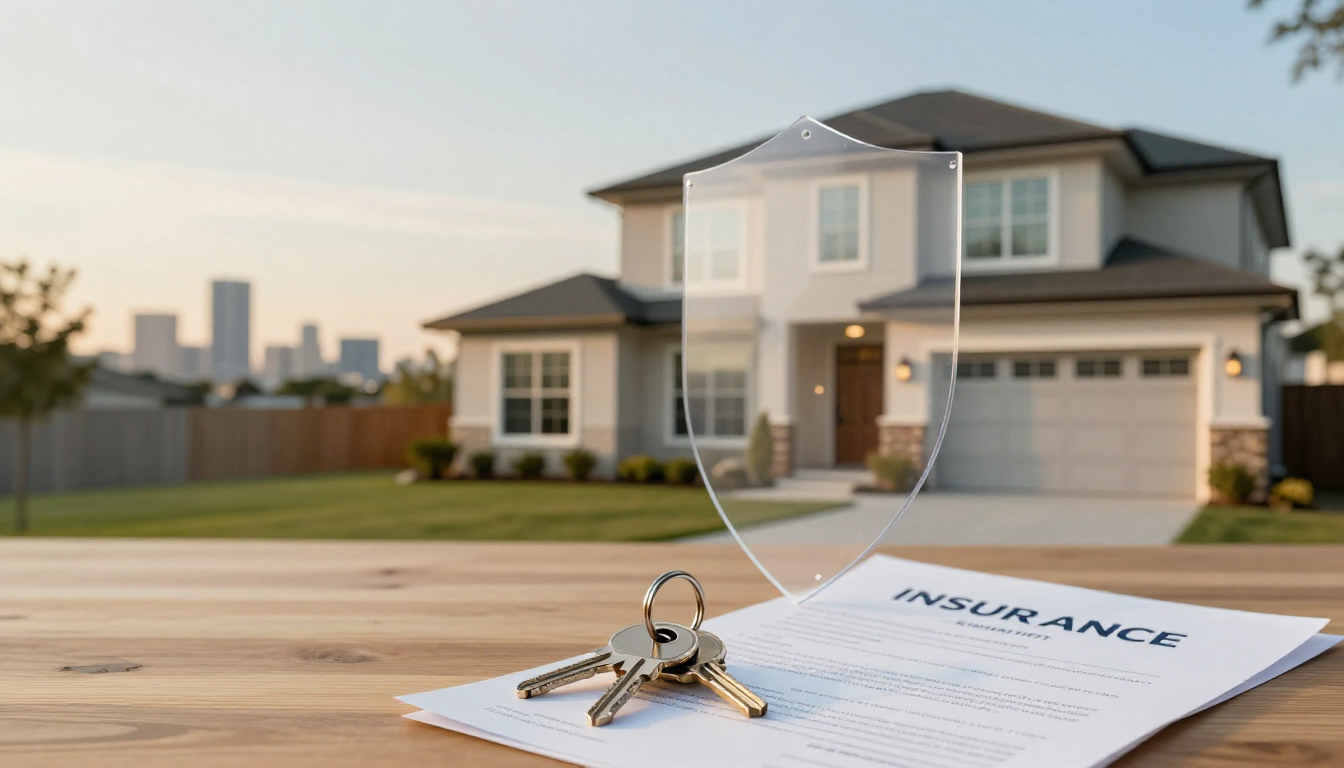
The Ultimate Guide to Home Liability Insurance: What You Need to Know
Home liability insurance is a type of insurance that provides coverage for personal liability and property damage that occurs on your property. This type of insurance is designed to protect homeowners from financial loss in the event that someone is injured or their property is damaged while on the homeowner’s property. Home liability insurance is an important part of a homeowner’s insurance policy, as it provides protection against potential lawsuits and financial loss.
Home liability insurance typically covers a wide range of incidents, including slip and fall accidents, dog bites, and damage to someone else’s property. It also provides coverage for legal fees and medical expenses that may arise as a result of an incident on the homeowner’s property. It’s important for homeowners to understand the details of their home liability insurance policy, including the coverage limits and any exclusions that may apply.
Coverage and Limits
Home liability insurance typically provides coverage for bodily injury and property damage that occurs on the homeowner’s property. This can include medical expenses, legal fees, and damages to someone else’s property. The coverage limits for home liability insurance can vary depending on the policy and the insurance provider. It’s important for homeowners to carefully review their policy to understand the specific coverage limits and any exclusions that may apply.
In addition to coverage for bodily injury and property damage, home liability insurance may also provide coverage for personal liability, which can protect homeowners from financial loss in the event that they are sued for negligence or other claims. Personal liability coverage can provide protection for legal fees, court costs, and any damages that may be awarded in a lawsuit. It’s important for homeowners to understand the coverage limits and any exclusions that may apply to their personal liability coverage.
Types of Claims Covered
Home liability insurance typically covers a wide range of claims, including slip and fall accidents, dog bites, and damage to someone else’s property. Slip and fall accidents are a common cause of injury on residential properties, and home liability insurance can provide coverage for medical expenses and legal fees that may arise as a result of a slip and fall accident. Dog bites are another common cause of injury on residential properties, and home liability insurance can provide coverage for medical expenses and legal fees related to dog bite incidents. Additionally, home liability insurance can provide coverage for damage to someone else’s property, such as if a tree falls on a neighbor’s house or a guest’s vehicle is damaged while on the homeowner’s property.
Additional Coverage Options
In addition to standard coverage for bodily injury and property damage, homeowners may have the option to add additional coverage to their home liability insurance policy. Additional coverage options can vary depending on the insurance provider, but may include coverage for things like libel and slander, identity theft, and umbrella liability coverage. Libel and slander coverage can provide protection in the event that a homeowner is sued for defamation or other claims related to written or spoken statements. Identity theft coverage can provide protection in the event that a homeowner’s identity is stolen and used for fraudulent purposes. Umbrella liability coverage can provide additional protection beyond the limits of a standard home liability insurance policy.
Factors Affecting Premiums
There are several factors that can affect the cost of home liability insurance premiums. These factors can include things like the location of the home, the size and age of the home, the homeowner’s claims history, and the amount of coverage selected. The location of the home can affect premiums because certain areas may have higher rates of crime or other risks that could lead to more claims. The size and age of the home can also affect premiums because larger or older homes may have a higher risk of things like structural damage or other issues. The homeowner’s claims history can also affect premiums because a history of claims could indicate a higher risk of future claims.
Choosing the Right Policy
When choosing a home liability insurance policy, it’s important for homeowners to carefully consider their coverage needs and budget. Homeowners should review their policy options with an insurance agent to understand the specific coverage limits, exclusions, and any additional coverage options that may be available. It’s also important for homeowners to compare quotes from multiple insurance providers to ensure they are getting the best coverage at the most competitive price. Additionally, homeowners should consider factors like the financial strength and reputation of the insurance provider when choosing a policy.
Making a Claim
In the event that a homeowner needs to make a claim on their home liability insurance policy, it’s important to follow the proper procedures to ensure a smooth claims process. Homeowners should contact their insurance provider as soon as possible after an incident occurs to report the claim. They should also gather any relevant documentation, such as medical bills or repair estimates, to support their claim. It’s important for homeowners to cooperate with their insurance provider throughout the claims process and provide any requested information in a timely manner. By following these steps, homeowners can help ensure that their claim is processed efficiently and that they receive the coverage they are entitled to under their home liability insurance policy.

news via inbox
Nulla turp dis cursus. Integer liberos euismod pretium faucibua