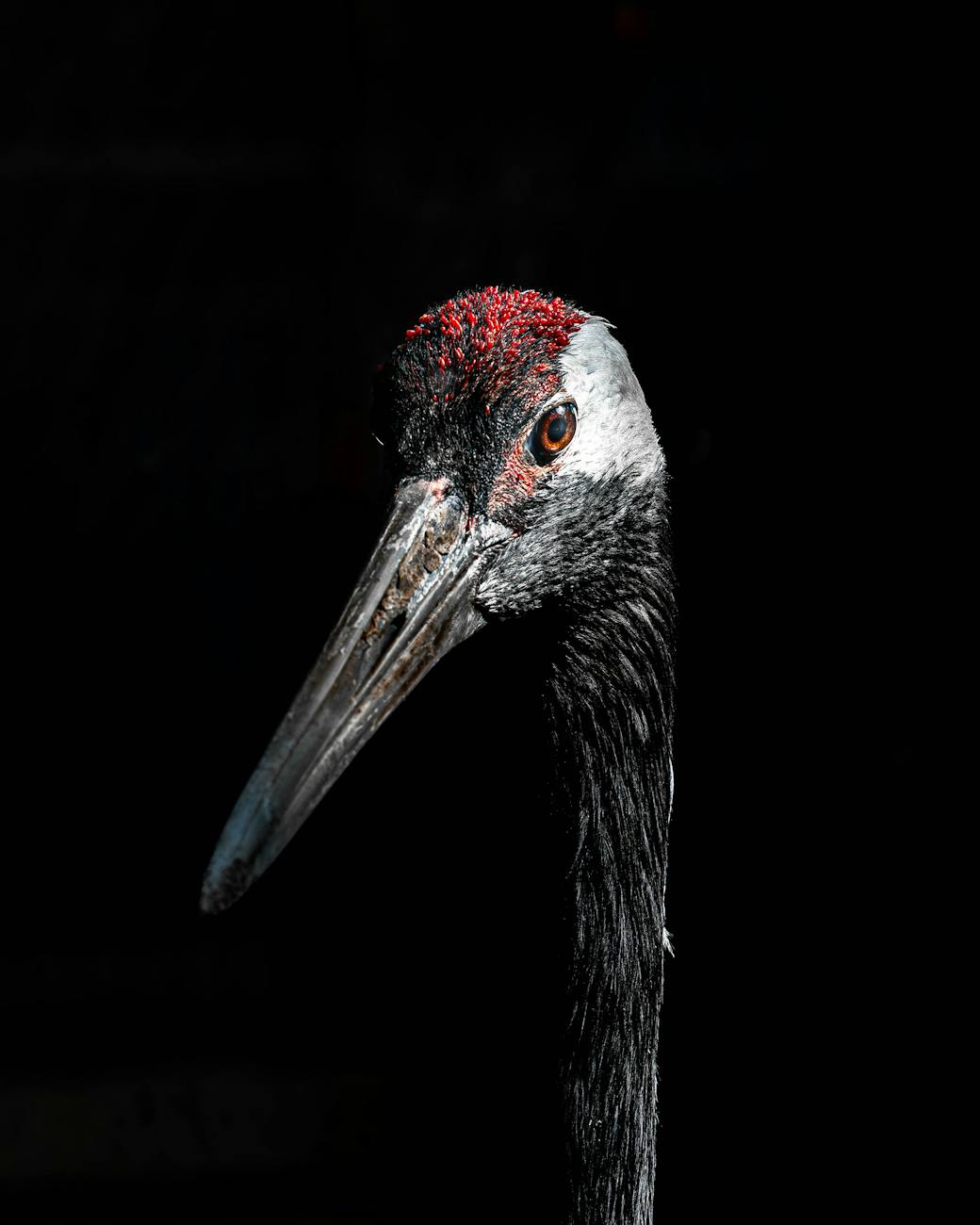
The Complete Guide to Pet Insurance: Coverage for Dogs, Cats, and Exotic Pets
Pet insurance has become an essential consideration for pet owners who want to ensure their furry or scaly friends get the best care without breaking the bank. Whether you have a playful dog, a curious cat, or a more unusual exotic pet, understanding the nuances of pet insurance coverage can help you make informed decisions. This guide explores the different types of coverage available, what is typically included and excluded, and why insurance for exotic pets requires a distinct approach. From routine care and emergencies to hereditary conditions, we’ll walk you through the essentials of pet insurance, helping you find the right protection for your beloved companion.
Understanding pet insurance and why it matters
Pet insurance works similarly to human health insurance, providing financial assistance for veterinary expenses. Accidents, illnesses, and chronic conditions can lead to costly vet bills, and insurance plans can mitigate these unexpected expenses. Typically, policies cover accidents and illnesses, but often vary in terms of coverage for routine care or hereditary issues. A key advantage of pet insurance is peace of mind, especially for owners who want to focus on their pet’s wellbeing rather than the cost of treatment.
For dogs and cats, policies tend to be more standardized because of their prevalence, but coverage for exotic pets such as rabbits, reptiles, or birds can be more complex and limited. Understanding what is and isn’t covered is crucial to avoid surprises. Additionally, pet insurance usually involves deductibles, co-pays, and maximum payout limits which should be clearly reviewed before purchasing a plan.
Coverage specifics for dogs and cats
Most pet insurance plans cater primarily to dogs and cats, offering three main types of coverage:
- Accident-only coverage – covers injuries from accidents like fractures or poisoning.
- Accident and illness coverage – includes accidents plus diseases like cancer or infections.
- Comprehensive coverage – adds routine care such as vaccinations, dental cleanings, and wellness exams.
When evaluating plans for dogs and cats, look closely at the exclusions. Common exclusions include pre-existing conditions, certain hereditary disorders, and alternative treatments. Breed-specific conditions, such as hip dysplasia in large dog breeds or kidney disease in cats, may or may not be covered depending on the insurer.
Here is a simplified table comparing common coverage features:
| Coverage type | Accident | Illness | Routine Care | Hereditary conditions |
|---|---|---|---|---|
| Accident-only | ✔ | ✘ | ✘ | ✘ |
| Accident + illness | ✔ | ✔ | ✘ | Varies |
| Comprehensive | ✔ | ✔ | ✔ | Often included |
Pet insurance for exotic animals: unique challenges
Exotic pets such as rabbits, ferrets, birds, reptiles, and small mammals require specialized veterinary care and often are excluded from standard pet insurance policies. Due to less market demand and limited veterinary expertise, insurance coverage for exotic pets can be scarce and more expensive.
Here are some key challenges owned by exotic pet insurance:
- Limited insurers: Only certain companies provide plans for exotic animals.
- Higher premiums and deductibles: Higher risk and specialized care increase costs.
- Restricted coverage: Routine care and some treatments might not be covered.
- Pre-existing conditions: Like with dogs and cats, these are rarely covered.
Despite these hurdles, pet insurance for exotic pets can cover emergencies and illness, which is critical given the potentially high cost of specialized treatment or surgery. Owners should carefully review insurers’ policies to ensure clarity on what species and treatments are covered.
How to select the right pet insurance plan
Choosing the best plan for your pet involves assessing your pet’s health risks, typical veterinary costs in your area, and your financial comfort zone. Here’s a useful checklist:
- Check coverage details: Confirm what ailments and treatments are included and excluded.
- Compare limits and deductibles: Consider annual payout limits, reimbursement percentages, and out-of-pocket costs.
- Read reviews and insurer reputations: Look for transparent claims processes and customer satisfaction.
- Consider your pet’s age and breed: Some insurers may refuse older pets or charge higher premiums for certain breeds.
- Exotic pet owners: Research companies specializing in exotic pet coverage.
By carefully weighing these factors, you can find a plan that fits your budget while providing robust protection for your pet’s health. Remember, the cheapest plan might leave gaps, while more comprehensive coverage could save you money in the long run.
Conclusion
Pet insurance is a valuable tool to safeguard the health and well-being of dogs, cats, and exotic animals alike. While plans for dogs and cats are widely available with various levels of coverage, insurance for exotic pets requires more careful research due to limited options and unique challenges. Understanding the distinctions between accident-only, illness, and comprehensive plans helps owners choose suitable policies that match their pets’ needs. Additionally, reviewing policy limits, exclusions, and insurer reputations plays a key role in making the best decision. Ultimately, investing in pet insurance can provide peace of mind and financial protection, ensuring your beloved companion receives quality care without undue stress.
Image by: Duc Nguyen
https://www.pexels.com/@duc-nguyen-2149183346

news via inbox
Nulla turp dis cursus. Integer liberos euismod pretium faucibua