Pet Insurance Insights: Coverage Options for Dogs, Cats, and Exotic Pets
Pet insurance insights: coverage options for dogs, cats, and exotic pets
Pet insurance has become an essential consideration for many pet owners seeking to safeguard their beloved animals against unexpected health expenses. Whether you own a playful dog, a curious cat, or an exotic pet like a reptile or bird, understanding your insurance options can help you make informed decisions about your pet’s healthcare. Coverage can vary significantly depending on the type of pet, their breed, age, and the insurer’s policies. This article explores the different coverage options available for dogs, cats, and exotic pets, highlights the benefits and limitations of various plans, and offers practical advice for choosing the right policy tailored to your pet’s unique needs.
Understanding coverage for dogs: what’s typically included?
Dog insurance policies tend to be the most comprehensive and widely available due to the popularity of dogs as household pets. Most plans cover accidents and illnesses, including fractures, poisonings, and chronic conditions like arthritis. Some also include wellness care, such as vaccinations and annual checkups. However, coverage will depend on the insurer and plan type. Commonly, you will find:
- Accident-only plans: Cover injuries from accidents but exclude illnesses.
- Comprehensive plans: Cover both injuries and illnesses, including hereditary conditions common in certain breeds.
- Wellness add-ons: Optional coverage for preventive care like flea prevention, dental cleanings, and vaccinations.
Typically, dog insurance has higher premiums because dogs can require more extensive veterinary care, especially as they age or if they belong to breeds prone to specific genetic disorders.
Cat insurance: balancing affordability and proper care
Cat insurance often focuses more on illness coverage than accidents, as cats tend to have fewer accidental injuries but are susceptible to chronic conditions like kidney disease or diabetes. Common coverage options include:
- Illness and accident coverage: Covers veterinary care related to injuries and illnesses.
- Routine care plans: Less common but available for vaccinations, spaying/neutering, and dental care.
- Chronic condition management: Many providers offer coverage for ongoing treatment of diseases like hyperthyroidism or arthritis.
Cat insurance premiums are generally lower than for dogs but can vary based on the cat’s age and pre-existing conditions. Since cats sometimes hide symptoms of illness, having insurance that supports diagnostic testing can be beneficial.
Insuring exotic pets: unique challenges and coverage options
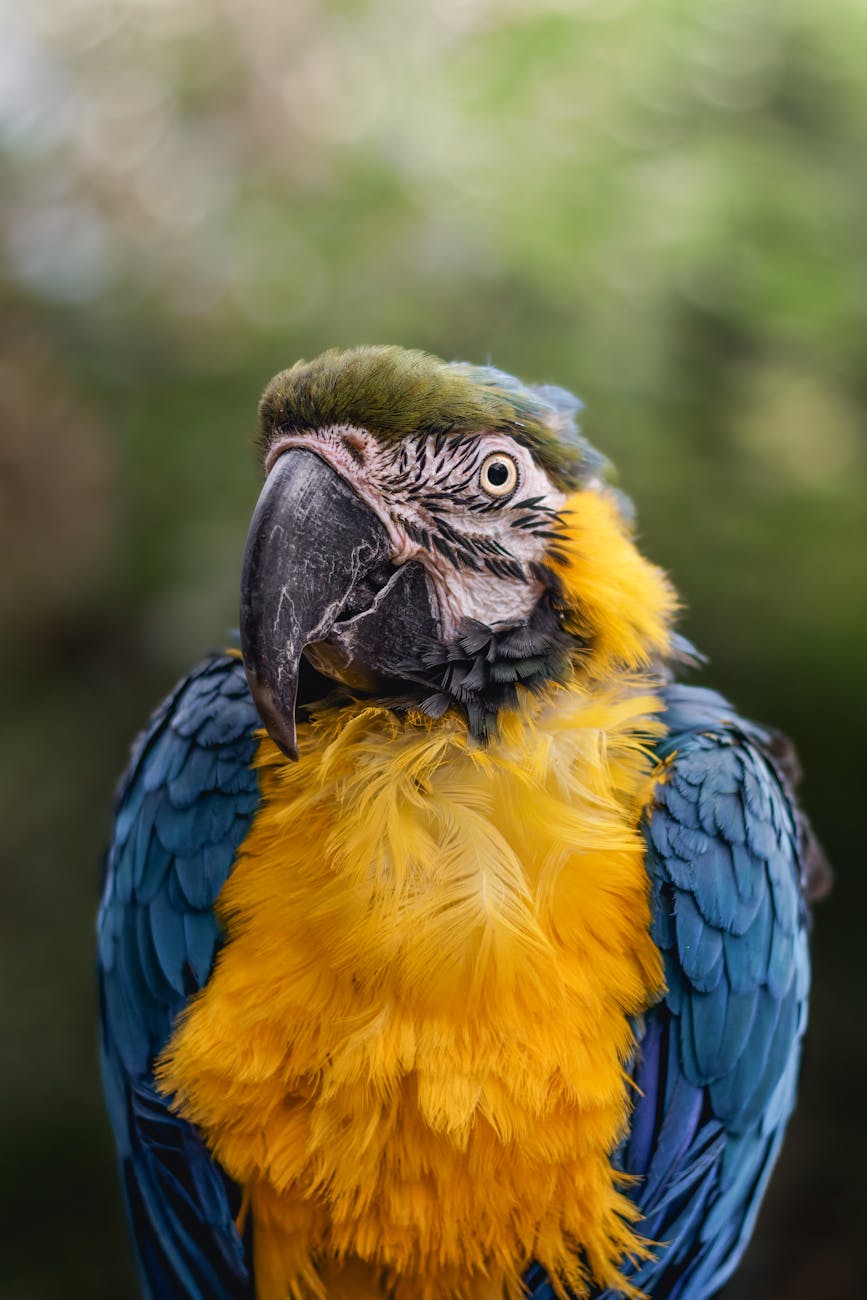
Exotic pets such as reptiles, birds, rodents, and small mammals often face limited insurance coverage compared to dogs and cats. Many insurers do not cover them, and those that do tend to have stricter requirements and fewer types of coverage. Key points include:
- Limited accident and illness plans: Usually focused on trauma or specific illnesses common to the species.
- Specialist care limitations: Coverage for specialist treatments and surgeries may be restricted or require pre-approval.
- Routine care typically excluded: Preventive treatments such as nail trimming or vitamin supplements are rarely covered.
Because exotic pets have diverse needs, it is important to research insurers carefully and consider policies that tailor coverage to specific species to avoid unexpected veterinary bills.
Comparing and choosing the best policy for your pet
When selecting pet insurance, consider factors such as coverage type, premium cost, deductibles, reimbursement percentages, and policy limits. Below is a simplified comparison table of typical coverage aspects for dogs, cats, and exotic pets:
| Aspect | Dog insurance | Cat insurance | Exotic pet insurance |
|---|---|---|---|
| Accident coverage | Widely available | Available | Limited |
| Illness coverage | Comprehensive | Common | Restricted |
| Wellness care | Optional add-ons | Less common | Rare |
| Breed-specific conditions | Usually covered | Sometimes covered | Rarely covered |
| Premium cost | Higher | Moderate | Variable, often high |
Ensure you read policy terms thoroughly and understand exclusions such as pre-existing conditions or behavioral issues. Consulting with your veterinarian can also help in identifying potential health risks and what coverage suits your pet’s lifestyle and breed/species.
Conclusion
Pet insurance offers valuable financial protection for pet owners by helping cover veterinary costs that can otherwise be overwhelming. Dogs benefit from the widest range of coverage options, reflecting their healthcare needs and popularity. Cat insurance is generally affordable and focused mainly on illness and accident coverage, providing important support for chronic disease management. Exotic pet owners face more challenges due to limited insurance options, but thorough research can help find tailored plans that reduce risk. Ultimately, choosing the right policy involves balancing coverage needs, premiums, and individual pet health risks. Armed with these insights, pet owners can make confident decisions that ensure their furry, feathered, or scaled companions receive the best care possible without unexpected costs.
Image by: Rodrigo A.
https://www.pexels.com/@rodrigo-a-36100054

news via inbox
Nulla turp dis cursus. Integer liberos euismod pretium faucibua