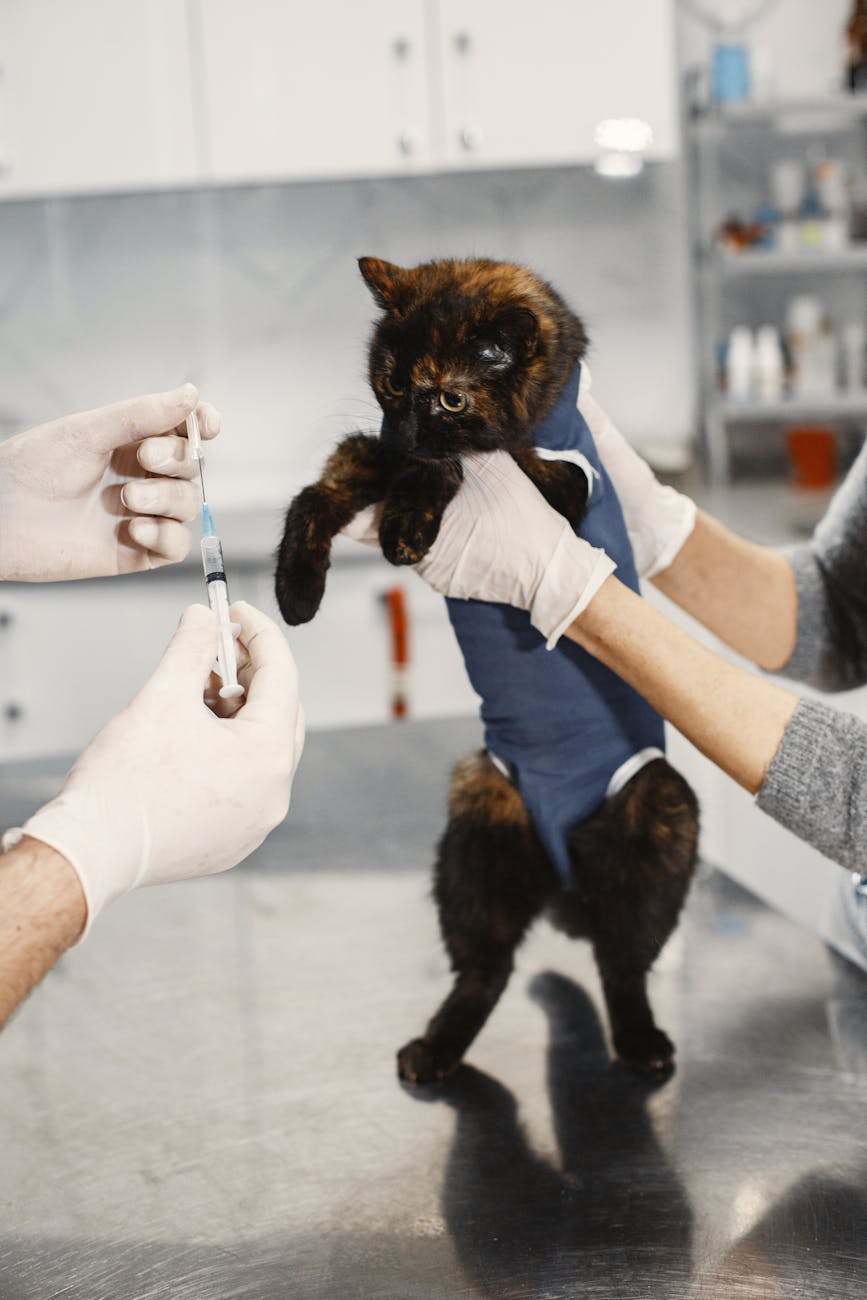
Pet Insurance 101: Coverage Options for Dogs, Cats, and Exotic Pets
Pet insurance is becoming increasingly popular among pet owners seeking to protect their furry friends from unexpected medical expenses. Whether you have a dog, cat, or an exotic pet, understanding the various coverage options is essential to make an informed choice. This article will guide you through the different types of pet insurance plans, the specific needs for each type of pet, and what to expect when you purchase coverage. We’ll explore how policies vary for dogs, cats, and exotic species, highlight common exclusions, and offer tips on selecting the best insurance plan to fit your pet’s lifestyle and your budget. By the end, you’ll have a clear understanding of how pet insurance can safeguard your beloved companions.
Understanding pet insurance coverage options
Pet insurance typically offers several types of coverage options tailored to different needs and budgets:
- Accident-only coverage: Covers injuries from accidents such as broken bones or ingestion of foreign objects, but excludes illnesses.
- Comprehensive coverage: Combines accident and illness care, including chronic conditions, cancers, and infections, making it more inclusive.
- Wellness or preventive care add-ons: Covers routine vet visits, vaccinations, flea and tick prevention, and dental cleanings.
Many insurers allow customization through add-ons or riders, so you can tailor your policy to cover what matters most. Deductibles, reimbursement rates, and annual limits vary widely, so careful comparison is key.
Insurance needs for dogs and cats
Dogs and cats are the most common insured pets, but their health risks and medical needs differ:
- Dogs: Tend to face breed-specific issues like hip dysplasia in larger breeds or respiratory problems in brachycephalic breeds (e.g., bulldogs). They often require coverage that includes orthopedic care and hereditary conditions.
- Cats: Are prone to different illnesses including urinary tract issues and kidney disease. Their insurance may focus more on chronic illnesses and infection treatment.
Both require consideration of age at enrollment—many plans exclude pre-existing conditions—and lifestyle factors like indoor versus outdoor activity, which affect risk levels. Policies often exclude routine dental care unless included in wellness plans.
Exotic pets: specialized coverage considerations
Exotic pets like birds, reptiles, rabbits, and small mammals have unique healthcare needs and may require specialized insurance plans:
- Many standard pet insurance companies do not cover exotic species or have limited offerings.
- Exotic pet insurance often emphasizes coverage for species-specific diseases, specialized veterinary care, and even emergency transport to exotic animal specialists.
- Preventive care and nutrition-related issues are important as many exotic animals have sensitive dietary needs prone to illness.
Because exotic pets are less common, premiums might be higher, and some conditions may be excluded to manage risk. It is essential to research insurers that explicitly cover your pet’s species.
Comparing plans and making an informed choice
When choosing pet insurance, consider the following factors together to find the best policy:
| Factor | What to look for | Impact on cost/coverage |
|---|---|---|
| Coverage type | Accident, illness, wellness, hereditary conditions | Broader coverage = higher premium, better financial protection |
| Deductible | Annual or per-incident amount you pay before reimbursement | Higher deductibles lower premiums but increase out-of-pocket cost |
| Reimbursement percentage | Amount insurer pays after deductible (typically 70%-90%) | Higher reimbursement increases premiums, reduces expenses |
| Annual and per-condition limits | Maximum payout per year or per condition | Higher limits cost more but provide better coverage for serious illness |
| Species and breed coverage | Some exclude certain breeds/species or have limits | Restricts eligibility, may affect preexisting conditions |
Gather quotes, read reviews, and ask your veterinarian for recommendations. Taking time to analyze these elements ensures your pet has the right financial protection without overpaying.
Conclusion
Pet insurance is a valuable tool to ease the financial burden of unexpected veterinary expenses for dogs, cats, and exotic pets alike. Understanding the different coverage options—from accident-only to comprehensive and wellness plans—helps tailor protection to your pet’s specific health risks and lifestyle. Dogs and cats require attention to breed-specific illnesses and chronic conditions, while exotic pets demand specialized policies that address their unique medical needs. Making an informed choice involves comparing deductibles, reimbursement rates, and coverage limits, ensuring you get adequate protection at a fair price. With thoughtful selection, pet insurance provides peace of mind and allows pet owners to focus on what matters most—the health and happiness of their beloved companions.
Image by: Gustavo Fring
https://www.pexels.com/@gustavo-fring

news via inbox
Nulla turp dis cursus. Integer liberos euismod pretium faucibua