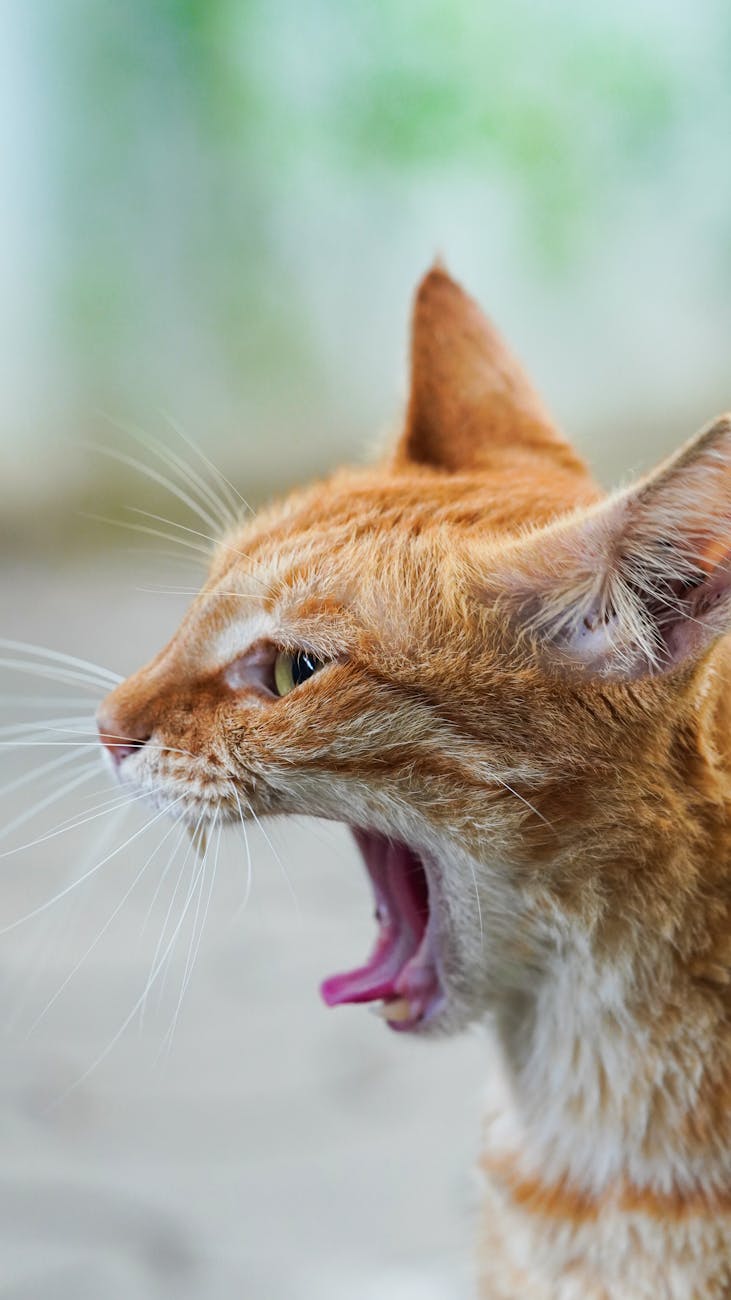
Pet Insurance 101: Coverage Options for Dogs, Cats, and Exotic Pets
Pet insurance has become an essential consideration for responsible pet owners who want to protect their furry and exotic companions from unexpected veterinary expenses. Whether you have a playful dog, a curious cat, or a unique exotic pet, understanding the range of coverage options can save you significant stress and costs in the long run. This guide will walk you through the basics of pet insurance, focusing on the most common types of policies available and how they apply to different pets. You will learn about the differences in coverage for dogs and cats compared to exotic animals, discover which conditions are commonly covered, and explore the financial aspects so you can make an informed decision on the best plan for your beloved pet.
Understanding the basics of pet insurance
Pet insurance functions much like health insurance for humans, offering financial assistance to cover veterinary bills. Most plans base coverage on reimbursement, meaning you pay the vet upfront and then submit a claim for partial or full reimbursement depending on your policy. Key coverage options generally include accident-only, accident and illness, and wellness or preventative care plans.
Accident-only plans typically cover injuries like fractures, burns, or ingestion of toxic substances, making them more affordable but limited. Accident and illness plans are more comprehensive, covering a wide range of medical issues such as infections, chronic diseases, and emergencies. Wellness plans often include routine care such as vaccinations, flea/tick prevention, dental cleanings, and annual exams.
Coverage options for dogs and cats
Dogs and cats are the most insured pets, so insurers tailor policies with common health concerns in mind. Typical coverage includes:
- Accidents and injuries: fractures, bites, poisonings.
- Illnesses: cancer, infections, diabetes, arthritis.
- Hereditary and chronic conditions: hip dysplasia, allergies, epilepsy.
- Optional wellness care: vaccinations, spaying/neutering, dental.
Some policies exclude pre-existing conditions or have waiting periods. Always check if hereditary or breed-specific issues are covered, as certain breeds are prone to unique disorders. Deductibles, reimbursement percentages, and annual coverage caps also vary, affecting overall costs.
Special considerations for exotic pet insurance
Exotic pets such as reptiles, birds, rabbits, and small mammals require specialized insurance plans that differ significantly from those designed for dogs and cats. Coverage can be more limited due to the unique nature and care requirements of these animals. Common considerations include:
- Vet availability: Fewer veterinarians specialize in exotics, which can affect treatment options.
- Types of covered illnesses: Stress-related illnesses, parasites, and environmental injuries.
- Specialized care needs: Nutritional support, temperature regulation, and quarantine expenses.
Due to lower market demand, exotic pet insurance plans may come with higher premiums or lower payout limits. Some providers might also exclude certain species or only offer accident coverage. Research is crucial to find a policy that adequately supports your exotic pet’s health needs.
Comparing costs and benefits of pet insurance plans
When choosing pet insurance, evaluating the balance between premiums, deductibles, reimbursement levels, and coverage limits is key. The table below compares typical features for dog, cat, and exotic pet policies to help illustrate common differences:
| Feature | Dog/Cat insurance | Exotic pet insurance |
|---|---|---|
| Average annual premium | $400 – $700 | $500 – $900 |
| Typical deductible | $100 – $500 | $150 – $600 |
| Reimbursement rate | 70% – 90% | 60% – 85% |
| Coverage includes | Illnesses, accidents, hereditary conditions, wellness (optional) | Accidents, some illnesses, limited hereditary coverage |
| Exclusions | Pre-existing conditions, cosmetic procedures, elective surgeries | Many pre-existing conditions, environmental causes, some species excluded |
Choosing the right plan involves assessing your pet’s health history, breed risks, and your budget. Consider whether a plan offering broader illness coverage is worth the extra premium or if accident-only coverage suffices based on your pet’s lifestyle.
Making an informed choice for your pet’s insurance
The ultimate goal of pet insurance is to offer peace of mind and financial protection against unexpected veterinary costs. Start by researching providers, examining policy terms closely, and asking about claim processing times and customer support quality. For dogs and cats, look for coverage that includes hereditary conditions and offers wellness options to reduce long-term health risks.
If you own an exotic pet, prioritize policies that cover the specific health problems related to your species and choose insurers experienced with exotic care. Always read the fine print to understand limitations, waiting periods, and claim requirements.
By understanding the nuances and aligning your choice with your pet’s needs, you will provide them with the best possible care without compromising your financial security.
In conclusion, pet insurance is a valuable tool that shields owners from substantial veterinary expenses and ensures timely medical care for their pets. Dogs and cats benefit from a wide variety of insurance options, covering everything from emergencies to preventative care, while exotic pets require more specialized coverage with certain limitations. Carefully comparing coverage types, costs, and policy restrictions will help you select a plan suited to your pet’s species, health risks, and lifestyle. With the right insurance, you can focus on enjoying your pet’s companionship knowing that their health needs are supported financially. Always perform thorough research and consult with your veterinarian to make an informed decision tailored to your unique situation.
Image by: Sagar Gaikwad
https://www.pexels.com/@sagar-gaikwad-1402891191

news via inbox
Nulla turp dis cursus. Integer liberos euismod pretium faucibua