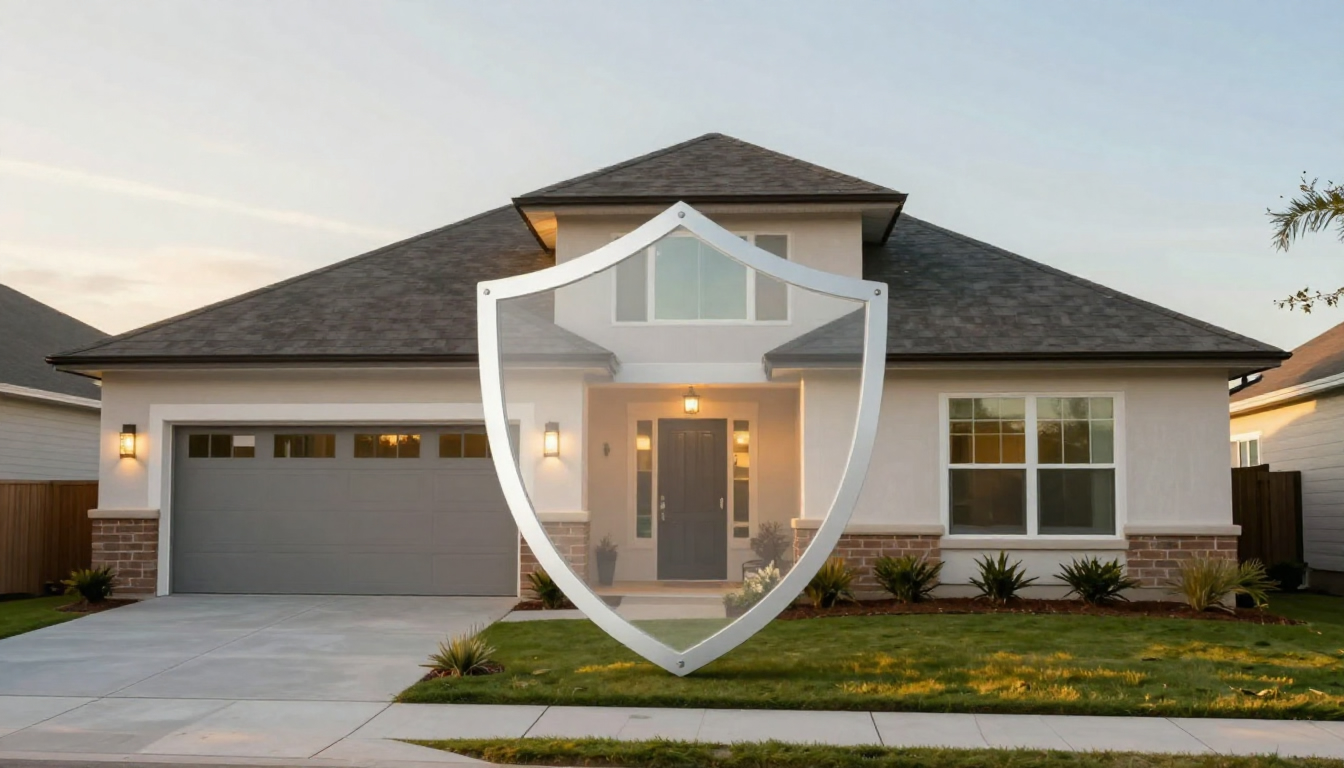
How to Protect Your Home with Insurance for First-Time Buyers
How to Protect Your Home with Insurance for First-Time Buyers
Introduction
Purchasing your first home is one of the most significant financial decisions you’ll make in your lifetime. Beyond securing a mortgage and finding the perfect property, first-time homeowners need to understand the critical importance of homeowners insurance. This type of coverage protects your investment against unexpected disasters, theft, and liability claims that could otherwise devastate your finances. Many new homebuyers are unsure where to start when it comes to selecting the right insurance policy, understanding coverage options, and determining appropriate coverage limits. This article will guide you through the essential aspects of home insurance for first-time buyers, helping you make informed decisions that safeguard your property and provide peace of mind as you settle into your new home.
Understanding the basics of homeowners insurance
Homeowners insurance is a contract between you and an insurance company that provides financial protection for your home and belongings. If you have a mortgage, your lender will require you to maintain homeowners insurance as a condition of the loan. The policy typically covers the structure of your home, your personal belongings inside, additional living expenses if you need temporary housing after a disaster, and liability protection if someone is injured on your property.
The cost of homeowners insurance varies significantly based on several factors, including your home’s age and construction type, location, local crime rates, and the coverage limits you choose. On average, homeowners pay between 800 and 1,200 dollars annually for a standard policy, though this can be higher in areas prone to natural disasters or in regions with elevated insurance costs.
It’s important to understand that standard homeowners insurance policies do not cover all types of damage. Flood damage, for example, requires a separate flood insurance policy, which is particularly important if your home is in a flood-prone area. Similarly, earthquake insurance is typically sold as an add-on to your basic policy. As a first-time buyer, you should ask your insurance agent specifically about what is and isn’t covered under the standard policy so you can identify any gaps in your protection.
Exploring coverage types and what they protect
Homeowners insurance policies typically include four main coverage categories, often referred to as “dwelling coverage,” “personal property coverage,” “liability coverage,” and “additional living expenses.” Understanding each of these components is essential for adequate protection.
Dwelling coverage protects the structure of your home itself, including walls, roof, floors, built-in appliances, and permanent fixtures. This is the most crucial component of your policy because it covers the largest portion of your investment. When selecting dwelling coverage limits, you should ensure the amount equals the full replacement cost of rebuilding your home, not its current market value. This distinction is vital because labor and materials costs can exceed property values in many markets.
Personal property coverage protects your belongings inside the home, such as furniture, electronics, clothing, and other personal items. This coverage typically pays up to a percentage of your dwelling coverage limit, often around 50 to 70 percent. However, certain high-value items like jewelry, fine art, and collections may have sub-limits and require additional “scheduled personal property” coverage for adequate protection. Creating an inventory of your belongings and their values helps ensure you select appropriate coverage limits.
Liability coverage protects you financially if someone is injured on your property and you’re found responsible. This coverage pays for their medical bills, legal fees, and any court-awarded damages. Most policies include liability coverage between 100,000 and 300,000 dollars, though many financial advisors recommend selecting 300,000 dollars or more, especially if you have significant assets to protect. An umbrella liability policy can provide additional coverage for major claims that exceed your homeowners policy limits.
Additional living expenses, sometimes called loss of use coverage, reimburses you for temporary housing, meals, and other necessary costs if your home becomes uninhabitable due to a covered event like fire or severe weather. This coverage is often included automatically but has a limit, typically 20 percent of your dwelling coverage. In areas prone to extended outages or disasters, you may want to increase this limit.
The table below provides a quick reference for typical coverage limits and what they protect:
| Coverage type | What it protects | Typical limit range | Essential for first-time buyers |
|---|---|---|---|
| Dwelling coverage | Home structure and permanent fixtures | Replacement cost of home | Yes, required by lenders |
| Personal property coverage | Furniture, electronics, clothing | 50-70% of dwelling limit | Yes, protects belongings |
| Liability coverage | Injuries to others on your property | 100,000 to 500,000 dollars | Yes, protects assets |
| Additional living expenses | Temporary housing if home uninhabitable | 20-30% of dwelling limit | Yes, covers displacement costs |
| Flood insurance | Water damage from flooding | Varies by risk level | Only if in flood zone |
| Earthquake insurance | Damage from seismic activity | Varies by deductible choice | Only if in earthquake zone |
Determining the right coverage limits for your situation
One of the most challenging decisions for first-time homebuyers is determining appropriate coverage limits. Many people make the mistake of basing their dwelling coverage on their home’s market value or mortgage amount, which often results in underinsurance. Instead, you should calculate the replacement cost of your home, which represents what it would cost to completely rebuild it using current construction materials and labor rates.
To estimate replacement cost accurately, you can use several methods. Many insurance companies offer free online calculators where you input information about your home’s size, age, construction type, and location. You can also hire a professional appraiser or contractor to provide a detailed estimate of rebuilding costs. This is particularly important if your home has unique features, custom finishes, or was recently renovated, as standard calculators may not account for these additions.
When selecting personal property coverage limits, take time to inventory your belongings and estimate their total value. Walk through each room and list items with approximate values. Pay special attention to high-value items like engagement rings, art collections, musical instruments, or designer items, as these typically have sub-limits on standard policies. Items worth more than a few thousand dollars should be specifically listed and insured under a scheduled personal property endorsement.
For liability coverage, consider your personal assets, income, and potential exposure. If you own significant property, have a swimming pool, or regularly have guests visit, higher liability limits are advisable. A general rule of thumb is to carry liability coverage equal to at least 80 percent of your total net worth. If this calculation results in a limit higher than your homeowners policy allows, supplement it with an umbrella liability policy, which typically costs 150 to 300 dollars annually for one million dollars of additional coverage.
Your deductible selection also affects your coverage needs and premium costs. A higher deductible means lower monthly premiums but higher out-of-pocket costs when you file a claim. First-time buyers should balance affordability with financial preparedness. A 500 or 1,000 dollar deductible is common for most homeowners, but if you have substantial emergency savings, a 2,500 or 5,000 dollar deductible can significantly reduce your annual premium.
Finding the best insurance provider and saving on premiums
With numerous insurance companies offering homeowners coverage, finding the best provider requires research and comparison. Start by obtaining quotes from at least three to five different insurers to compare pricing and coverage options. Most major insurers offer online quote tools that provide estimates within minutes. When comparing quotes, ensure all policies have identical coverage limits and deductibles so you’re making true apples-to-apples comparisons.
Beyond price, evaluate each company’s customer service reputation, claims handling process, and financial stability. Check ratings from J.D. Power, the National Association of Insurance Commissioners, and customer review sites to understand how companies treat policyholders when claims are filed. A slightly higher premium may be worth it if the company is known for responsive service and fair claim settlements.
Once you’ve selected an insurer, explore available discounts that can substantially reduce your premium. Most companies offer multiple discounts that can collectively save you 20 to 30 percent on your annual cost. Common discounts include bundling homeowners and auto insurance with the same company, installing security systems or deadbolt locks, making your home more resistant to fire or theft, maintaining a claims-free history, paying your premium in full upfront rather than monthly, and completing a homeowners safety course. Some insurers also offer discounts for new construction homes, homes with upgraded electrical or plumbing systems, or homes using green building materials.
As a first-time buyer, you may qualify for additional discounts specific to new homeowners. Some insurers offer reduced rates during the first year or two of homeownership. Additionally, if you’re purchasing in a community with community watch programs or low crime rates, you may receive a discount reflecting the reduced risk in that area.
It’s important to review your policy annually and shop around periodically, as insurance rates change and new discounts become available. Life changes like home improvements, renovations, or the addition of a swimming pool affect your rates and coverage needs. Some insurers reward long-term customers with loyalty discounts, while others may increase rates for existing customers. By staying engaged with your insurance needs, you can ensure you’re always getting the best value for your coverage.
Conclusion
Protecting your home with appropriate insurance coverage is a fundamental responsibility for first-time homebuyers. Understanding the different types of coverage available, from dwelling and personal property protection to liability and additional living expenses, allows you to build a policy that truly safeguards your investment and financial security. By accurately calculating replacement costs, selecting suitable coverage limits, and taking time to compare multiple insurance providers, you can ensure adequate protection without overpaying for your policy. Remember that homeowners insurance requirements don’t end at purchase; your needs will evolve as you make home improvements and your life circumstances change. Regularly reviewing your policy, exploring available discounts, and shopping around periodically ensures you maintain optimal coverage at competitive rates. The peace of mind that comes from knowing your home is properly protected is invaluable as you begin this exciting chapter of homeownership. Don’t view insurance as just another expense, but as a critical investment in protecting the largest purchase of your life.

news via inbox
Nulla turp dis cursus. Integer liberos euismod pretium faucibua