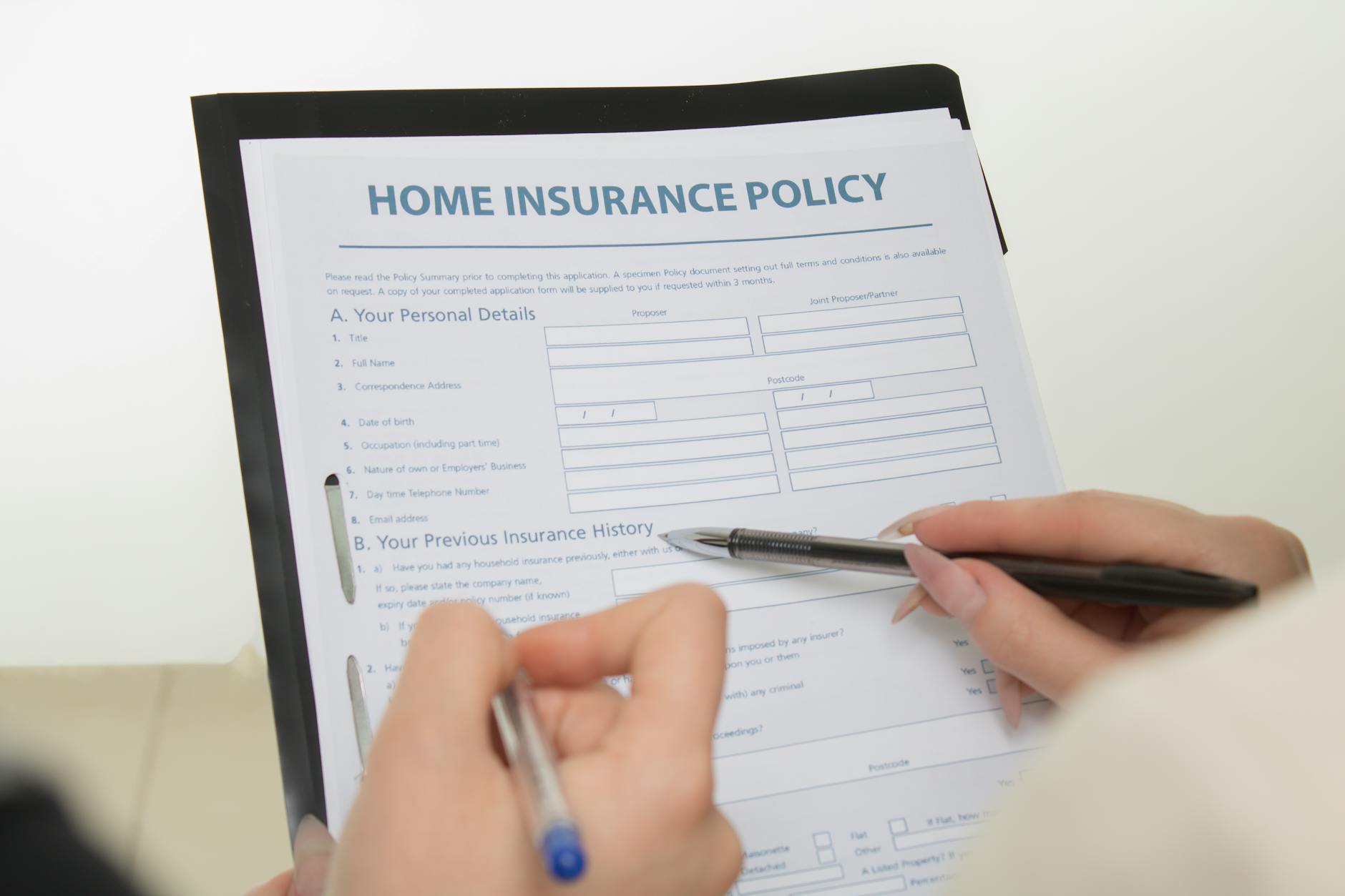
How to Choose the Best Home Insurance for First-Time Buyers
How to choose the best home insurance for first-time buyers
Buying your first home is an exciting milestone, but it also comes with new responsibilities—one of the most important being home insurance. For first-time buyers, navigating the various insurance policies can be overwhelming, with many options and coverage terms to consider. Selecting the right home insurance not only protects your investment but also ensures peace of mind against unforeseen events like fire, theft, or natural disasters. This article will guide you through the critical aspects of choosing the best home insurance by explaining coverage types, assessing your needs, comparing quotes, and understanding policy details so that you can confidently protect your new home without overpaying or leaving gaps in protection.
Understanding the types of home insurance coverage
Home insurance is more than a simple policy—it consists of various coverage types that protect different aspects of your property and belongings. First-time buyers should be familiar with the following:
- Dwelling coverage: Protects the structure of your home against damages caused by fire, storms, or vandalism.
- Personal property coverage: Covers your possessions inside the home such as furniture, electronics, and clothing in case of theft or damage.
- Liability protection: Guards against legal and medical expenses if someone is injured on your property.
- Additional living expenses (ALE): Covers the cost of temporary housing if your home becomes uninhabitable due to a covered claim.
Understanding these layers helps first-time buyers tailor coverage to their specific home and lifestyle, avoiding unnecessary additions or gaps.
Assessing your needs and risks
Before selecting a policy, evaluate your personal situation and potential risks associated with your home. Factors to consider include:
- Home location: Is the house in a flood-prone area or susceptible to earthquakes? Some risks may require additional riders or separate policies like flood insurance.
- Home value and rebuilding cost: Knowing the accurate rebuilding cost helps avoid underinsurance. Market value and rebuilding cost can differ significantly.
- Personal belongings value: Make an inventory with approximate values to ensure your personal property coverage is appropriate.
- Budget constraints: Balance coverage needs with what you can reasonably afford in premiums.
Evaluating these elements allows you to select a policy designed specifically around your home’s unique risks and your financial preparedness.
Comparing quotes and insurers
When shopping for home insurance, don’t settle on the first offer. Instead, obtain multiple quotes to compare pricing, coverage limits, deductibles, and policy perks. Key things to look for include:
- How much is the deductible? A higher deductible usually lowers premiums but means more out-of-pocket costs during a claim.
- What exclusions or limitations exist? Some policies exclude flood or earthquake damage.
- Do the insurers have good customer reviews and claim handling reputations?
- Are discounts available, such as for security systems or bundled insurance policies?
Use comparison tools or consult insurance brokers to get transparent quotes side by side. A simple table example:
| Insurance provider | Annual premium | Deductible | Coverage limits | Special benefits |
|---|---|---|---|---|
| Provider A | $1,200 | $1,000 | $250,000 dwelling / $50,000 personal property | Discount for security system, 24/7 claims support |
| Provider B | $1,350 | $500 | $300,000 dwelling / $60,000 personal property | Free home safety inspection |
Understanding the fine print and policy management
After narrowing down your choice, carefully read the policy’s fine print before signing. Key points to verify include:
- Coverage exclusions: What specific damages or circumstances are not covered?
- Claim process: How straightforward is filing a claim and what documentation is required?
- Policy renewal terms: Are premiums likely to increase upon renewal?
- Optional endorsements: Are riders available for valuables, natural disasters, or inflation protection?
Proper policy management includes periodically reviewing your insurance needs and coverage as your circumstances or the property’s value changes. Maintain clear documentation and communicate promptly with your insurer for any questions or updates.
Conclusion
Choosing the best home insurance for first-time buyers requires a thoughtful approach that balances adequate protection with cost-effectiveness. Understanding the different types of coverage lays the foundation for making informed decisions, while assessing the specific risks and values associated with your home guides customization of your policy. Comparing multiple insurers and their offerings is essential to avoid surprises in cost or coverage limitations. Finally, scrutinizing the policy details ensures you know exactly what to expect in the event of a claim. By following these steps, first-time homeowners can secure a home insurance policy that protects their prized investment, aligns with their budget, and brings valuable peace of mind during this important life chapter.
Image by: Mikhail Nilov
https://www.pexels.com/@mikhail-nilov

news via inbox
Nulla turp dis cursus. Integer liberos euismod pretium faucibua