How Commercial Insurance Can Safeguard Your Retail Store’s Future
How commercial insurance can safeguard your retail store’s future
Running a retail store comes with a variety of risks that can threaten its stability and long-term success. From property damage caused by unforeseen events to liability claims from customers, these challenges can disrupt daily operations and incur significant expenses. This is where commercial insurance plays a crucial role. By providing a safety net against financial losses, commercial insurance enables retailers to protect their investments, employees, and reputation. In this article, we will explore how different types of commercial insurance policies specifically benefit retail stores, the potential risks they cover, and why investing in such protection is a strategic move for securing your store’s future.
Understanding the risks faced by retail stores
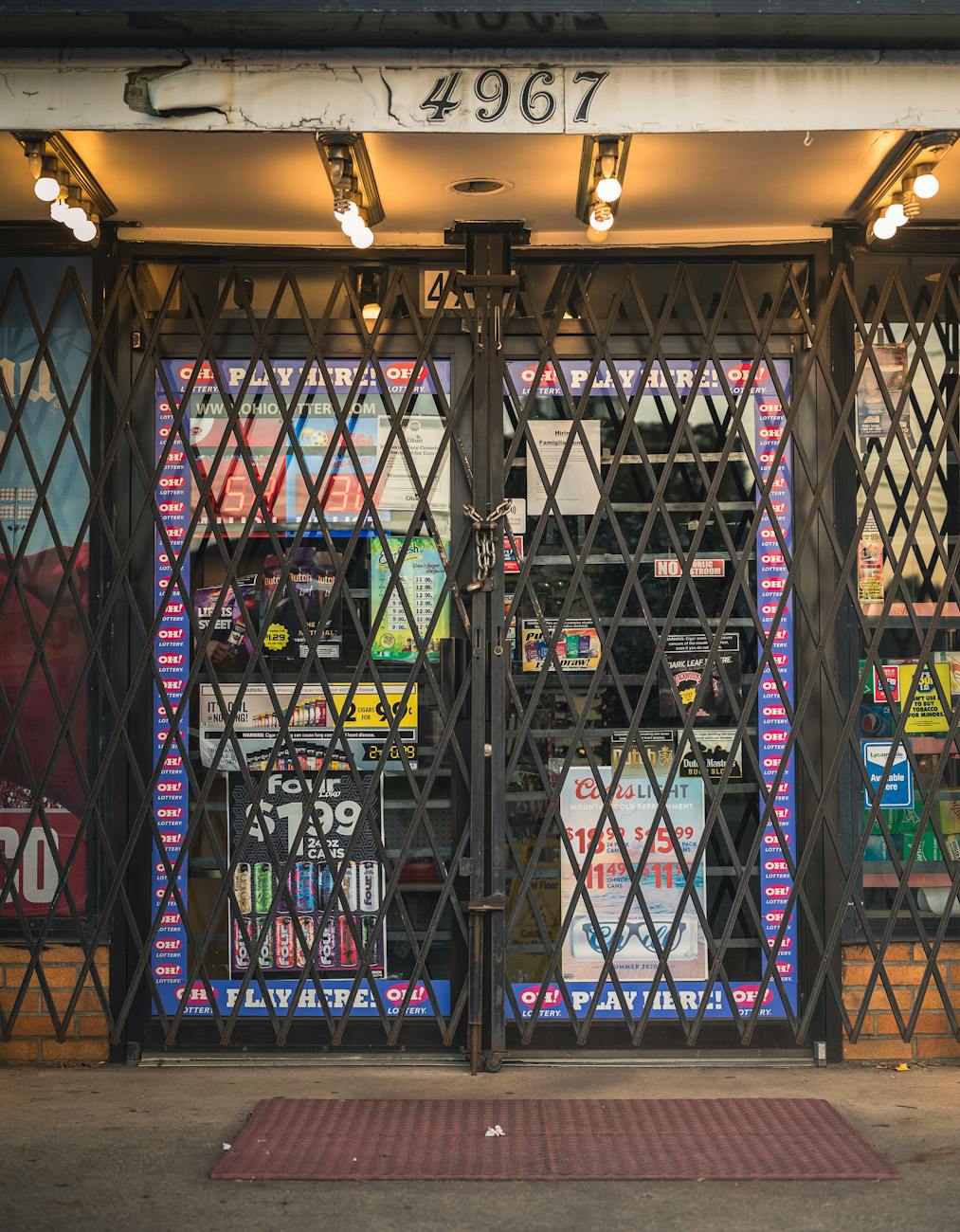
Retail businesses operate in dynamic environments, facing risks that range from theft and vandalism to legal liabilities and natural disasters. Property damage caused by fire, storms, or water leaks can halt business operations and lead to costly repairs. Additionally, retail stores often engage directly with customers, which increases exposure to liability claims such as slip-and-fall accidents or product-related injuries. Employee injuries and data breaches also represent significant threats. Recognizing these multifaceted risks is the first step to implementing effective commercial insurance policies tailored to the unique needs of a retail establishment.
The main types of commercial insurance for retailers
Having the right insurance coverage means selecting policies that address your store’s specific vulnerabilities. Here are some essential insurance types that retail stores should consider:
- Property insurance: Covers damage or loss to your physical store, inventory, and equipment due to fire, theft, or natural disasters.
- General liability insurance: Protects against third-party claims of bodily injury, property damage, or advertising mistakes.
- Business interruption insurance: Provides compensation for lost income if your store must close temporarily due to a covered event.
- Workers’ compensation insurance: Covers medical expenses and lost wages for employees injured on the job.
- Cyber liability insurance: Shields your business from the financial fallout of data breaches or cyberattacks that compromise customer information.
Choosing a tailored combination of these policies ensures comprehensive protection against common retail risks.
How commercial insurance supports business continuity
Unexpected incidents can disrupt retail operations, sometimes for extended periods. Without adequate insurance, the financial strain could be devastating. Commercial insurance helps maintain business continuity by:
- Providing funds for emergency repairs or replacements, so the store can reopen quickly.
- Covering legal expenses and settlements arising from lawsuits, guarding your store’s finances and reputation.
- Replacing lost income during closures, allowing you to retain staff and manage ongoing costs.
This financial stability reassures investors, suppliers, and employees, strengthening your store’s foundation for growth even in uncertain times.
Evaluating insurance cost versus benefit for retail stores
Retailers often hesitate to invest in insurance due to cost concerns. However, it is useful to compare potential losses against insurance premiums. The table below illustrates a simplified example:
| Risk scenario | Potential loss without insurance | Average annual insurance premium | Benefit of coverage |
|---|---|---|---|
| Fire damaging store and inventory | $150,000 | $3,000 | Full repair and replacement costs covered |
| Slip and fall liability claim | $50,000 | $1,200 | Legal defense and settlement payments covered |
| Data breach exposing customer info | $75,000 | $2,000 | Costs for notification, recovery, and fines covered |
While the upfront costs of insurance may seem substantial, the financial protection it provides far outweighs the risks associated with unexpected incidents. For many retail stores, insurance is an indispensable investment in long-term survival and growth.
Conclusion
Commercial insurance serves as a critical safeguard for retail stores, providing protection against a wide spectrum of risks that could otherwise jeopardize business operations and financial stability. By understanding the unique vulnerabilities your store faces and selecting appropriate insurance policies—such as property, liability, business interruption, workers’ compensation, and cyber liability coverage—you build a resilient foundation capable of weathering crises. Moreover, the cost of insurance is often modest compared to potential losses, making it a vital tool in risk management. Ultimately, investing in commercial insurance not only protects your assets and employees but also ensures continuity, peace of mind, and confidence in your retail store’s future success.
Image by: Chris F
https://www.pexels.com/@chris-f-38966

news via inbox
Nulla turp dis cursus. Integer liberos euismod pretium faucibua