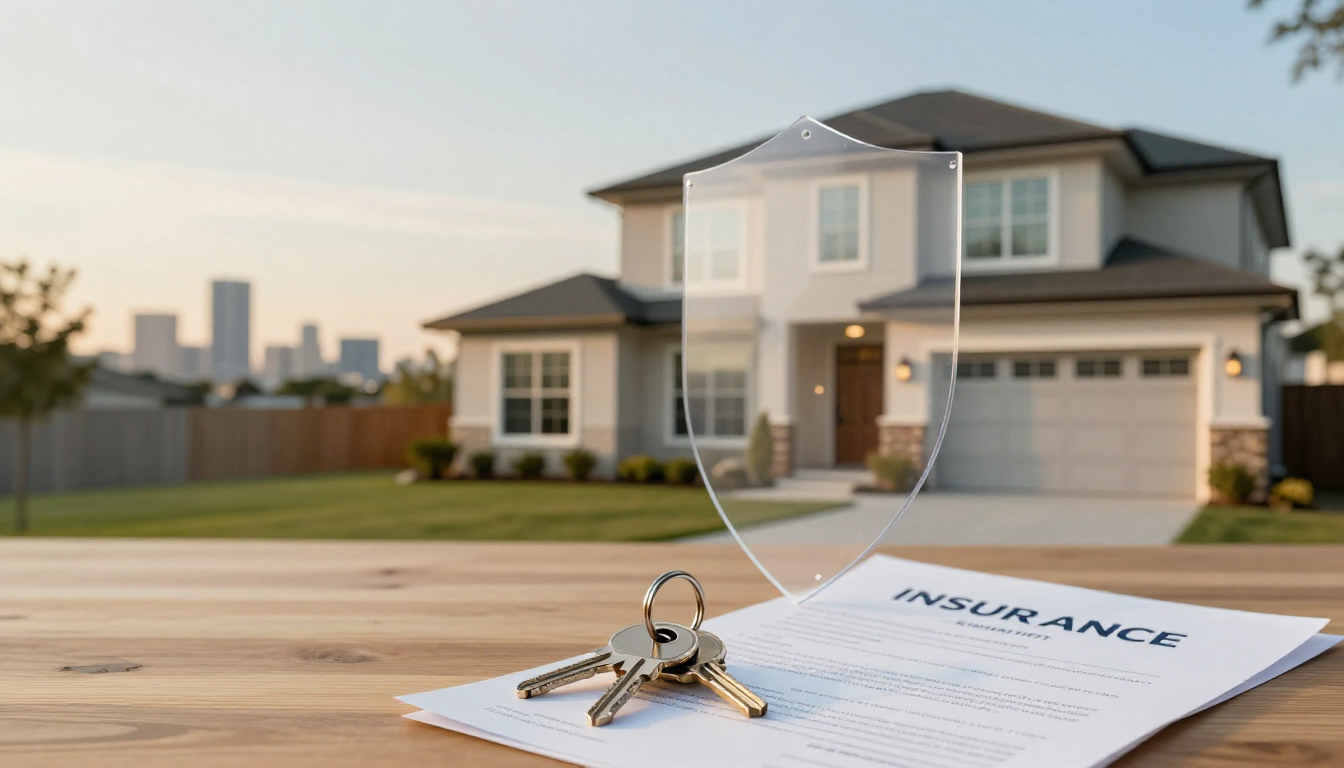
Essential Insurance Tips for New Homeowners to Protect Their Investment
Essential Insurance Tips for New Homeowners to Protect Their Investment
Purchasing your first home is one of the most significant financial decisions you’ll make in your lifetime. Beyond the down payment and monthly mortgage, understanding how to properly protect your investment through insurance is equally critical. Many new homeowners overlook the importance of comprehensive coverage or settle for inadequate policies that leave them vulnerable to substantial financial losses. Whether dealing with natural disasters, theft, liability claims, or structural damage, the right insurance safeguards not only your property but also your financial future. This article explores essential insurance strategies that will help you navigate the complex world of homeowner protection, ensuring your investment remains secure and your peace of mind intact. We’ll examine the different types of coverage available, how to assess your specific needs, and the steps you should take to make informed decisions about protecting your most valuable asset.
Understanding homeowner insurance basics
Before diving into specific coverage types, it’s important to understand what homeowner insurance actually does and why it matters. Standard homeowner insurance policies typically protect both your physical structure and your personal belongings inside the home. However, the devil is in the details, and different policies offer vastly different levels of protection.
Most mortgage lenders require you to carry homeowner insurance as a condition of the loan. This isn’t just a formality; it protects the lender’s financial interest in the property. Your policy should reflect the replacement cost of your home, not just the market value or the amount you owe on your mortgage. This distinction is crucial because rebuilding costs often exceed what you paid for the property.
The basic structure of homeowner insurance typically includes:
- Dwelling coverage protects the structure of your home and attached structures like garages
- Personal property coverage protects your belongings inside the home
- Liability coverage protects you if someone is injured on your property
- Additional living expenses covers temporary housing if your home becomes uninhabitable
- Medical payments covers minor injuries to others on your property
Understanding these components helps you identify gaps in your coverage and make more informed decisions about which policy suits your situation best. Many new homeowners purchase the minimum required coverage without considering whether it adequately protects their actual investment.
Assessing your coverage needs accurately
One of the most common mistakes new homeowners make is underinsuring their properties. This happens when they base coverage amounts on outdated assessments or fail to account for inflation and actual replacement costs. To properly assess your needs, you should start by determining the true replacement cost of your home.
Begin by making a detailed inventory of your home’s construction materials, square footage, and current condition. Gather information about your roof type and age, foundation materials, heating and cooling systems, and any recent upgrades. This information directly affects your insurance costs and necessary coverage levels. A 1000-square-foot home in Florida built with concrete block will cost significantly more to rebuild than a similar structure in other regions due to hurricane-resistant building codes.
Consider hiring a professional appraiser or insurance agent to conduct a home replacement cost assessment. This investment, typically costing between 150 and 300 dollars, can save you thousands by ensuring accurate coverage levels. Without this assessment, you might discover too late that your policy falls short when you need to file a claim.
Beyond the structure itself, evaluate your personal property carefully. Many new homeowners don’t realize how quickly household items accumulate in value. Electronics, furniture, clothing, and other belongings can easily reach 50,000 to 100,000 dollars or more. Some insurance companies offer tools that help you calculate this total, but manually walking through each room with a notebook can be surprisingly effective and thorough.
Your location also plays a significant role in determining coverage needs. Living in an area prone to hurricanes, earthquakes, wildfires, or floods requires additional or specialized coverage. Standard homeowner policies don’t cover flood damage, for instance, requiring a separate flood insurance policy. Similarly, earthquake coverage must typically be purchased separately in most states.
Selecting appropriate coverage types and limits
Once you understand your property’s replacement cost, the next step involves choosing the right coverage types and setting appropriate limits. This is where many new homeowners encounter confusion because the options can seem overwhelming.
Dwelling coverage should equal your home’s replacement cost, not its market value. If your home is worth 400,000 dollars but would cost 500,000 dollars to rebuild, your dwelling coverage should be 500,000 dollars. Most insurers recommend maintaining coverage of at least 80 percent of the replacement cost, though many experts suggest 100 percent coverage for optimal protection.
For personal property coverage, the standard approach is to set limits at 50 to 70 percent of your dwelling coverage. However, if you own valuable items like jewelry, art, or collectibles, you may need additional endorsements called scheduled personal property coverage. This allows you to specifically list high-value items and their coverage amounts.
The following table illustrates typical coverage limits for different home values:
| Home Replacement Cost | Recommended Dwelling Coverage | Recommended Personal Property Coverage | Recommended Liability Coverage |
|---|---|---|---|
| 300,000 dollars | 300,000 dollars | 150,000 to 210,000 dollars | 300,000 to 500,000 dollars |
| 500,000 dollars | 500,000 dollars | 250,000 to 350,000 dollars | 500,000 to 1,000,000 dollars |
| 750,000 dollars | 750,000 dollars | 375,000 to 525,000 dollars | 750,000 to 1,000,000 dollars |
| 1,000,000 dollars | 1,000,000 dollars | 500,000 to 700,000 dollars | 1,000,000 dollars plus |
Liability coverage protects you if someone is injured on your property or if you accidentally damage someone else’s property. Most experts recommend liability limits of at least 300,000 to 500,000 dollars, though this varies based on your financial situation and risk profile. If you have significant assets or swim in a pool frequently, higher limits become increasingly important.
Additional living expenses coverage typically runs 20 to 30 percent of your dwelling coverage amount. This ensures that if disaster forces you from your home, you have funds to pay for temporary housing, meals, and other necessities while your home is being repaired.
Beyond these standard coverages, consider whether you need specialized protection. This might include umbrella insurance for additional liability protection, water damage coverage beyond standard exclusions, or equipment breakdown coverage for your HVAC and other home systems.
Managing deductibles and optimizing costs
Insurance premiums represent an ongoing expense that impacts your monthly budget, making it essential to find the right balance between adequate coverage and affordable costs. One of the most effective ways to manage your insurance expenses is through strategic deductible selection.
Your deductible is the amount you pay out of pocket before insurance coverage kicks in. Common deductible options range from 250 dollars to 2,500 dollars or higher. Increasing your deductible directly lowers your premium, but it also means you’ll pay more if you need to file a claim. The key is finding the sweet spot where you’re comfortable with the out-of-pocket risk while enjoying meaningful savings.
For most new homeowners, a 1,000-dollar deductible represents a reasonable middle ground. This is high enough to reduce your annual premiums by 15 to 25 percent compared to a 250-dollar deductible, yet still manageable for most households. However, if you have substantial emergency savings and rarely file claims, a higher deductible might make sense.
Beyond deductible management, several other strategies can help optimize your insurance costs:
- Bundle policies by purchasing homeowner and auto insurance from the same company, which typically results in discounts of 15 to 25 percent
- Improve home security by installing deadbolt locks, alarm systems, and security cameras, which can lower premiums by 5 to 15 percent
- Maintain good credit, as insurers use credit scores to assess risk, and better scores can mean lower rates
- Pay annually instead of monthly to avoid monthly installment fees that effectively increase your total cost
- Ask about loyalty discounts that reward customers who maintain continuous coverage with the same insurer
- Review your policy annually to ensure rates remain competitive and coverage stays appropriate for your situation
It’s also worth noting that certain home improvements can lead to insurance discounts. Installing a new roof, upgrading your electrical system, adding storm shutters, or improving your home’s ventilation and moisture control can reduce premiums by lowering the risk profile of your property.
Don’t hesitate to shop around every two to three years. Insurance companies frequently adjust rates, and getting quotes from multiple insurers ensures you’re not overpaying for similar coverage. Many companies offer online quote tools that provide estimates within minutes.
Maintenance and claim preparation for homeowners
Insurance is only valuable if you’re prepared to use it effectively when problems arise. Many new homeowners don’t realize that maintaining their home properly isn’t just good practice; it’s often a requirement of their insurance policy and can prevent claim denials.
Most insurance policies require homeowners to maintain their properties in good condition and make timely repairs. This means fixing water leaks promptly, maintaining your roof, and preventing damage from negligence. An insurer can deny a claim if they determine the damage resulted from poor maintenance or lack of care on your part.
Beyond maintenance, you should actively prepare for potential claims by creating a comprehensive home inventory. Document your belongings with photos or video, recording serial numbers, purchase dates, and approximate values. This documentation is invaluable if you need to file a claim for theft or damage. Keep receipts for major purchases and store this information in a secure location outside your home, such as a safe deposit box or cloud storage.
Understanding your policy thoroughly is equally important. Review your coverage documents carefully and note any exclusions or limitations. Some policies exclude certain types of damage or have specific requirements for coverage to apply. For example, many policies require specific maintenance actions to keep water damage coverage active. Knowing these requirements in advance prevents disappointing surprises later.
When you do need to file a claim, follow these essential steps:
- Document the damage thoroughly with photos and video before making temporary repairs
- Contact your insurance company promptly to report the claim and understand the claims process
- Gather all relevant documentation including receipts, invoices, and evidence of ownership
- Obtain repair estimates from licensed contractors, typically getting at least two estimates
- Keep detailed records of all communications with your insurance company and adjuster
- Don’t make permanent repairs until the insurance adjuster has inspected the damage
Regular home maintenance also serves as an investment protection strategy. Preventing problems is always more cost-effective than dealing with them after they become disasters. Annual tasks like cleaning gutters, inspecting your roof, testing your HVAC system, and checking for water intrusion can prevent expensive claims and keep your insurance premiums lower.
Conclusion
Protecting your home through proper insurance coverage is one of the most important responsibilities of homeownership. By understanding the basics of homeowner insurance, accurately assessing your replacement costs and personal property values, selecting appropriate coverage limits, and strategically managing your deductibles, you create a comprehensive safety net for your investment. The process may seem complex initially, but taking the time to learn these fundamentals pays dividends throughout your homeownership journey. Remember that your insurance needs will evolve over time as your home undergoes renovations, your personal property grows, or you acquire additional assets worth protecting. Review your coverage regularly and adjust it as needed to maintain optimal protection. By implementing the strategies outlined in this article, you’ll be well-equipped to make informed decisions about your homeowner insurance. Your home represents far more than just square footage and market value; it’s where you build memories and security for your family. The modest investment in comprehensive insurance coverage ensures that whatever challenges come your way, your financial future remains protected and your most valuable asset stays secure.

news via inbox
Nulla turp dis cursus. Integer liberos euismod pretium faucibua