Covering Your Bases: Why Every Retail Store Needs Commercial Insurance
Understanding Risk in the Retail Environment
Operating a retail store involves navigating a complex landscape of potential hazards. Every day, businesses interact with customers, employees, suppliers, and the public, creating a multitude of situations where unexpected events can occur. These events, often referred to as risks, can range from minor inconveniences to catastrophic losses that threaten the very existence of the business. Recognizing and mitigating these risks is not merely a good practice; it is a fundamental aspect of responsible business ownership.
The Inherent Nature of Retail Risk
Retail environments are dynamic and unpredictable. Unlike a controlled manufacturing setting, a shop floor is a public space subject to external influences and the actions of many individuals. Consider the sheer volume of transactions, the constant movement of goods and people, and the potential for equipment malfunctions. These factors combine to create a fertile ground for unforeseen incidents. The nature of retail inherently exposes businesses to a spectrum of potential liabilities and asset damage.
Customer Safety and Public Liability
The most direct and common risk in retail is related to customer safety. A slip and fall due to a wet floor, an injury caused by a poorly displayed product, or a security lapse leading to an accident are all scenarios that can result in patronizing lawsuits. These incidents, while seemingly minor, can escalate rapidly, drawing in legal defenses, medical expenses, and compensation claims. The store owner becomes the custodian of a public space, and with that responsibility comes the obligation to ensure it is as safe as reasonably possible.
Premises Liability
This category of risk focuses on the physical conditions of the retail space. Uneven flooring, inadequate lighting, obstructed pathways, or poorly maintained fixtures can all contribute to customer injuries. Furthermore, the responsibility extends to the control of the premises, which includes managing the flow of traffic, securing entryways, and ensuring the proper functioning of amenities like restrooms.
Product Liability
For retailers selling physical goods, the risk of product liability is ever-present. If a product sold by a retailer is defective and causes injury or damage to a customer, the retailer can be held responsible, even if they did not manufacture the product. This chain of responsibility highlights the importance of understanding the goods being sold and having mechanisms to address potential defects.
Employee Safety and Workers’ Compensation
The employees who form the backbone of any retail operation are also a significant source of risk. Workplace injuries, whether from manual handling of stock, accidents with equipment, or even interpersonal disputes, can lead to significant costs for the business. Providing a safe working environment is not only a legal and ethical obligation but also a financially prudent measure.
Workplace Accidents
The day-to-day tasks in a retail setting, such as stocking shelves, operating cash registers, or moving merchandise, carry inherent risks of injury. Repetitive strain injuries, falls, cuts, and bruises are common. The potential for more serious accidents, like those involving machinery or heavy lifting, also exists.
Employer’s Liability
Beyond direct compensation for injured employees, employers can face liability claims arising from negligence in their duty of care. This could involve inadequate training, failure to provide protective equipment, or insufficient safety protocols.
Property Damage and Business Interruption
Beyond injuries, the physical assets of a retail store are susceptible to damage. Fire, theft, natural disasters, and vandalism can all lead to the destruction or deterioration of inventory, fixtures, and the building itself. The financial impact of such events extends beyond the cost of repairs or replacement.
The Role of Commercial Insurance in Risk Mitigation
Commercial insurance acts as a financial safety net, shielding businesses from the potentially devastating financial consequences of unforeseen events. It is not an optional extravagance but a foundational element of robust business strategy. Think of it as building a sturdy foundation for your retail edifice; without it, any tremor could bring the whole structure down.
Protecting Against Financial Loss
The primary function of commercial insurance is to provide financial compensation for covered losses. When an insured event occurs, the insurance policy kicks in, helping to cover costs that would otherwise cripple or bankrupt the business. This can include expenses related to repairs, medical bills, legal fees, and lost income.
Indemnification
In the insurance world, indemnification means restoring the insured party to their financial position before the loss occurred. This is the core promise of insurance – to make the business whole again in the event of a covered peril.
Peace of Mind and Business Continuity
Beyond the direct financial implications, commercial insurance offers a crucial benefit: peace of mind. Knowing that protection is in place allows business owners to focus on operating and growing their business, rather than constantly worrying about the “what ifs.” This, in turn, contributes to business continuity, ensuring that the business can recover and resume operations even after a significant setback.
Essential Insurance Policies for Retail Stores
A comprehensive commercial insurance portfolio is tailored to the specific risks faced by a retail business. While individual needs vary, several core policy types are almost universally applicable.
General Liability Insurance: The First Line of Defense
General liability insurance is often considered the bedrock of commercial insurance for retailers. It provides coverage for claims of bodily injury and property damage caused by the business’s operations, products, or on its premises. This is the policy that typically responds to slip-and-fall accidents where a customer is injured on your property.
Bodily Injury and Property Damage
This is the core coverage of general liability. It addresses situations where your business causes physical harm to another person or damages their property. For example, if a display rack collapses and injures a customer, or if an employee accidentally damages a customer’s vehicle in the parking lot.
Advertising Injury and Personal Injury
Beyond physical harm, general liability can also cover claims of libel, slander, copyright infringement in advertising, and other forms of personal injury. This protects against reputational damage and claims that arise from your marketing or communication efforts.
Property Insurance: Safeguarding Your Assets
Property insurance is designed to protect the physical assets of the retail store. This includes the building itself, as well as the inventory, furniture, fixtures, and equipment housed within it. Without adequate property insurance, a fire or natural disaster could wipe out a retailer’s inventory and render their premises unusable.
Building and Contents Coverage
This covers damage to the physical structure of the store and everything inside it. The specific perils covered will depend on the policy, but typically include fire, windstorms, vandalism, and other covered events.
Business Interruption Insurance: The Lifeline During Downtime
A crucial component often bundled with or added to property insurance is business interruption insurance. This coverage helps replace lost income and cover ongoing expenses if the business is forced to close temporarily due to a covered property loss. Imagine a fire shutting down your store for a month; business interruption insurance can help pay your rent, utilities, and payroll during that period, ensuring you can reopen without a mountain of debt.
Specialized Insurance Needs for Retail
While general liability and property insurance are fundamental, certain retail operations may require additional, specialized coverage to address unique risks.
Product Liability Insurance: For Merchants of Goods
For retailers selling goods, product liability insurance is paramount. This coverage protects against claims of injury or damage caused by defective products sold by the business. Even if the retailer is not the manufacturer, they can still be held liable if they sold a faulty item. This is particularly important for businesses selling items with inherent risks, such as electronics, toys, or food products.
Manufacturing Defects
This covers situations where the product’s design or manufacturing process contained flaws that made it dangerous for use. For example, a batch of children’s toys with small parts that easily detach and pose a choking hazard.
Marketing and Labeling Errors
This aspect of product liability addresses claims arising from misleading advertising or inadequate instructions and warnings provided with a product. If a product’s packaging fails to clearly warn about a potential danger, and that danger causes harm, the retailer could be held responsible.
Workers’ Compensation Insurance: Protecting Your Team
As previously discussed, employee safety is a critical concern. Workers’ compensation insurance is a legal requirement in most jurisdictions and provides benefits to employees who suffer work-related injuries or illnesses. This coverage typically includes medical expenses, lost wages, and rehabilitation costs.
Medical Expense Coverage
This is a primary component of workers’ compensation, covering all necessary medical treatment for a work-related injury or illness.
Wage Replacement
When an employee is unable to work due to a covered injury, workers’ compensation provides a portion of their lost wages, helping them maintain some financial stability.
The Cost of Being Uninsured
The absence of adequate commercial insurance can lead to financial ruin. The cost of defending against lawsuits, paying settlements or judgments, and repairing or replacing damaged property can quickly exceed the financial capacity of most small to medium-sized retail businesses. This is not a hypothetical; countless businesses have been forced into bankruptcy due to major uninsured losses.
Lawsuit Expenses: A Financial Abyss
Legal defense costs alone can be astronomical. Attorneys’ fees, court costs, and expert witness fees can mount rapidly, even if the lawsuit is ultimately settled in the business’s favor. Without insurance, these costs become a direct burden on the business’s bottom line.
Settlements and Judgments
If a lawsuit is lost or settled unfavorably, the resulting compensation awarded to the claimant can be substantial. This can include damages for medical expenses, lost earnings, pain and suffering, and punitive damages.
Rebuilding After Disaster: An Uphill Battle
The financial strain of rebuilding after a major property loss, such as a fire or flood, is immense. Without property insurance, a retailer would need to secure substantial loans or use personal savings to replace inventory, repair damage, and reestablish operations. This process can take months or even years, during which time the business may be unable to generate revenue.
Choosing the Right Insurance Partner
Selecting the appropriate insurance policies and a reliable insurance provider is a critical decision for any retail business. It requires careful consideration of the business’s specific risk profile, budget, and long-term goals.
Assessing Your Risk Profile
The first step is to conduct a thorough assessment of the unique risks associated with your particular retail operation. Consider the type of products you sell, the layout of your store, your employee structure, and your location. A small boutique clothing store will have different risk considerations than a large hardware store.
Understanding Your Inventory and Operations
Your inventory is a significant asset, and its value, along with its susceptibility to damage or theft, will influence your property insurance needs. Similarly, the nature of your operations – whether you involve heavy machinery, food preparation, or significant customer interaction – will dictate your liability and product liability requirements.
Working with a Qualified Insurance Broker
An experienced insurance broker can be an invaluable asset in navigating the complexities of commercial insurance. They have the expertise to assess your needs, compare policies from different insurers, and explain the coverage in clear terms.
Policy Comparison and Negotiation
Brokers can represent your interests, comparing various policies and premiums to ensure you are getting the most comprehensive coverage at a competitive price. They can also assist in negotiating specific terms and endorsements to better suit your business.
Conclusion: Investing in Resilience
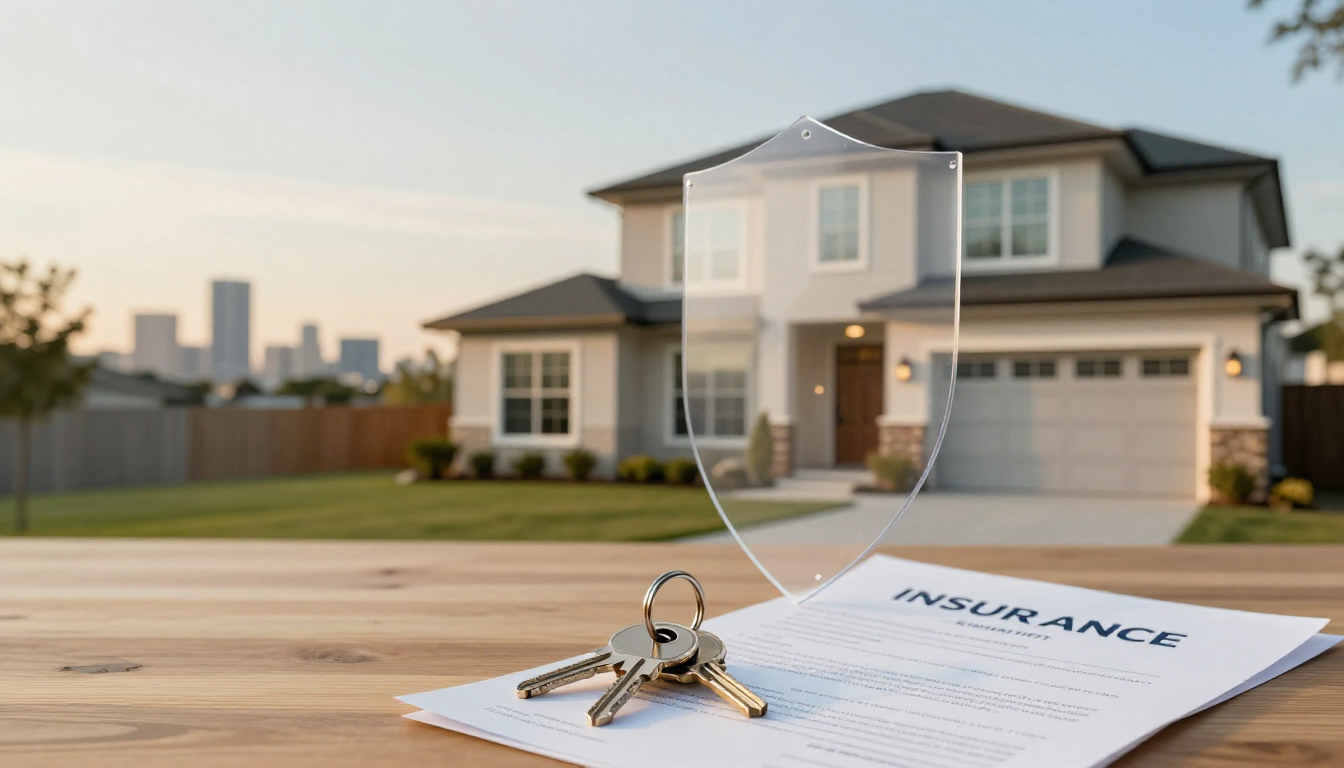
Commercial insurance is not an expense; it is an investment in the resilience and longevity of your retail business. It is the shield that protects your enterprise from the unpredictable storms of commerce. By understanding the inherent risks and securing appropriate coverage, retailers can operate with greater confidence, ensuring their ability to serve customers and generate revenue for years to come. The cost of premiums is a fraction of the potential cost of being uninsured, making it a fundamental pillar of responsible retail management.
FAQs
What is commercial insurance for retail stores?
Commercial insurance for retail stores is a type of insurance that provides coverage for various risks and liabilities that retail businesses may face. This can include coverage for property damage, liability claims, employee injuries, and business interruption.
Why do retail stores need commercial insurance?
Retail stores need commercial insurance to protect themselves from potential financial losses due to property damage, liability claims, or other unforeseen events. Without commercial insurance, retail businesses may be at risk of significant financial hardship in the event of a lawsuit, natural disaster, or other unexpected circumstances.
What does commercial insurance for retail stores typically cover?
Commercial insurance for retail stores typically covers a range of risks and liabilities, including property damage, general liability, product liability, business interruption, and employee injuries. The specific coverage provided can vary depending on the policy and the needs of the retail business.
How can retail store owners find the right commercial insurance policy?
Retail store owners can find the right commercial insurance policy by working with an experienced insurance agent or broker who specializes in commercial insurance for retail businesses. These professionals can help assess the specific risks and needs of the retail store and recommend appropriate coverage options.
What are the potential consequences of not having commercial insurance for a retail store?
The potential consequences of not having commercial insurance for a retail store can include financial losses due to property damage, liability claims, or other unforeseen events. Without adequate insurance coverage, retail businesses may be at risk of bankruptcy or closure in the event of a major loss or lawsuit.

news via inbox
Nulla turp dis cursus. Integer liberos euismod pretium faucibua