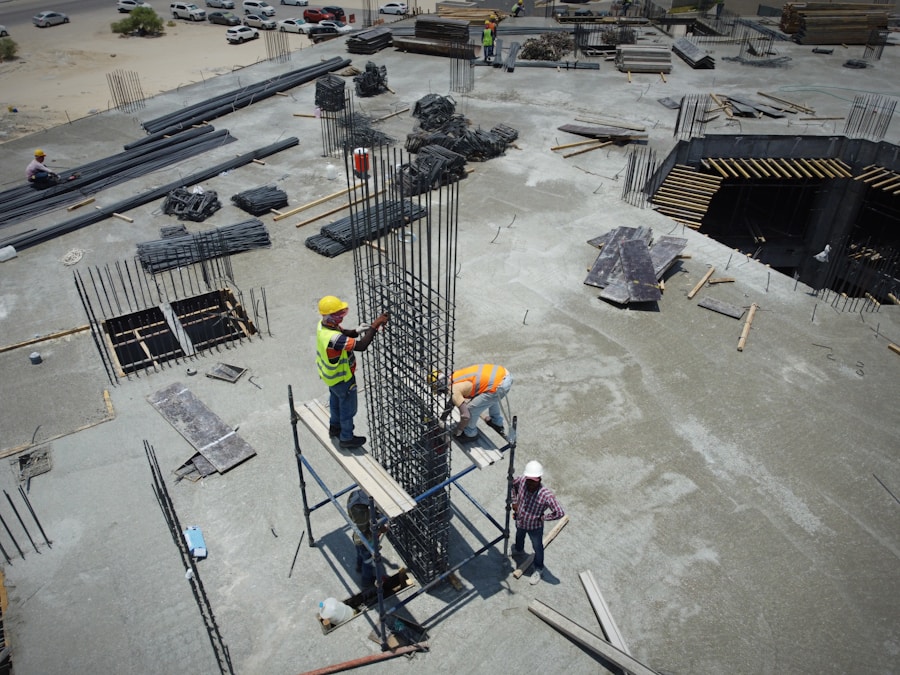
Contractor Insurance 101: Everything You Need to Know to Safeguard Your Business
Contractor insurance is a type of insurance that provides coverage for individuals or businesses that work in the construction industry. This type of insurance is essential for contractors as it protects them from potential financial losses that may arise from accidents, injuries, or property damage that occur during the course of their work. Without contractor insurance, contractors could be held personally liable for any damages or injuries that occur on a job site, which could result in significant financial hardship. In addition to protecting contractors from financial liability, contractor insurance also provides peace of mind and reassurance to clients and partners, as it demonstrates a commitment to safety and professionalism.
Contractor insurance is a crucial investment for any individual or business working in the construction industry. It provides protection against a wide range of risks and liabilities that are inherent in the construction business, including property damage, bodily injury, and legal expenses. Without adequate insurance coverage, contractors could face significant financial losses and legal challenges that could jeopardize their business and personal assets. By investing in contractor insurance, contractors can protect themselves, their employees, and their clients from potential financial hardships and legal disputes, ensuring the long-term success and sustainability of their business.
Types of Contractor Insurance: General Liability, Workers’ Compensation, and More
There are several types of contractor insurance that are essential for protecting individuals and businesses in the construction industry. General liability insurance is one of the most important types of contractor insurance, as it provides coverage for property damage, bodily injury, and legal expenses that may arise from accidents or negligence on a job site. Workers’ compensation insurance is another crucial type of contractor insurance, as it provides coverage for medical expenses and lost wages for employees who are injured on the job. In addition to general liability and workers’ compensation insurance, contractors may also need other types of insurance such as commercial auto insurance, professional liability insurance, and surety bonds to fully protect their business from potential risks and liabilities.
General liability insurance is a fundamental type of contractor insurance that provides coverage for property damage, bodily injury, and legal expenses that may arise from accidents or negligence on a job site. This type of insurance is essential for protecting contractors from potential financial losses and legal disputes that could arise from accidents or injuries that occur during the course of their work. Workers’ compensation insurance is another crucial type of contractor insurance that provides coverage for medical expenses and lost wages for employees who are injured on the job. This type of insurance is essential for protecting employees and ensuring that they receive the care and support they need in the event of an injury. In addition to general liability and workers’ compensation insurance, contractors may also need other types of insurance such as commercial auto insurance, professional liability insurance, and surety bonds to fully protect their business from potential risks and liabilities.
How to Choose the Right Contractor Insurance for Your Business
Choosing the right contractor insurance for your business is a critical decision that requires careful consideration and research. When selecting contractor insurance, it is essential to assess the specific risks and liabilities that are inherent in your business and industry. This will help you determine the types and amounts of coverage that are necessary to fully protect your business from potential financial losses and legal disputes. It is also important to consider the reputation and financial stability of the insurance provider, as well as the cost of premiums and deductibles. By comparing quotes from multiple insurance providers and consulting with an experienced insurance agent, you can make an informed decision about the right contractor insurance for your business.
When choosing the right contractor insurance for your business, it is essential to assess the specific risks and liabilities that are inherent in your business and industry. This will help you determine the types and amounts of coverage that are necessary to fully protect your business from potential financial losses and legal disputes. It is also important to consider the reputation and financial stability of the insurance provider, as well as the cost of premiums and deductibles. By comparing quotes from multiple insurance providers and consulting with an experienced insurance agent, you can make an informed decision about the right contractor insurance for your business.
The Importance of Adequate Coverage Limits and Policy Add-Ons
Adequate coverage limits and policy add-ons are essential for ensuring that your contractor insurance provides comprehensive protection for your business. When selecting contractor insurance, it is important to carefully consider the specific risks and liabilities that are inherent in your business and industry, as well as the potential financial losses that could result from accidents or injuries on a job site. By choosing coverage limits that align with your business’s needs and risks, you can ensure that you have adequate protection in place to safeguard your business from potential financial hardships. Additionally, policy add-ons such as umbrella liability coverage, equipment breakdown coverage, and pollution liability coverage can provide additional protection for your business against specific risks and liabilities.
Adequate coverage limits and policy add-ons are essential for ensuring that your contractor insurance provides comprehensive protection for your business. When selecting contractor insurance, it is important to carefully consider the specific risks and liabilities that are inherent in your business and industry, as well as the potential financial losses that could result from accidents or injuries on a job site. By choosing coverage limits that align with your business’s needs and risks, you can ensure that you have adequate protection in place to safeguard your business from potential financial hardships. Additionally, policy add-ons such as umbrella liability coverage, equipment breakdown coverage, and pollution liability coverage can provide additional protection for your business against specific risks and liabilities.
Tips for Saving Money on Contractor Insurance Without Sacrificing Coverage
Saving money on contractor insurance is a priority for many businesses in the construction industry, but it is important to do so without sacrificing coverage or protection. One way to save money on contractor insurance is to compare quotes from multiple insurance providers to find the best rates and coverage options. Additionally, bundling multiple types of insurance such as general liability, workers’ compensation, and commercial auto insurance with the same provider can often result in significant discounts. Another way to save money on contractor insurance is to implement risk management strategies such as safety training programs, regular equipment maintenance, and proper documentation of job site activities to demonstrate a commitment to safety and professionalism.
Saving money on contractor insurance is a priority for many businesses in the construction industry, but it is important to do so without sacrificing coverage or protection. One way to save money on contractor insurance is to compare quotes from multiple insurance providers to find the best rates and coverage options. Additionally, bundling multiple types of insurance such as general liability, workers’ compensation, and commercial auto insurance with the same provider can often result in significant discounts. Another way to save money on contractor insurance is to implement risk management strategies such as safety training programs, regular equipment maintenance, and proper documentation of job site activities to demonstrate a commitment to safety and professionalism.
Common Misconceptions About Contractor Insurance Debunked
There are several common misconceptions about contractor insurance that can lead individuals and businesses in the construction industry to make uninformed decisions about their coverage needs. One common misconception is that general liability insurance alone provides sufficient protection for all potential risks and liabilities. In reality, general liability insurance only provides coverage for property damage, bodily injury, and legal expenses related to accidents or negligence on a job site, leaving businesses vulnerable to other potential risks such as equipment breakdowns or pollution liabilities. Another common misconception is that workers’ compensation insurance is only necessary for businesses with employees, when in fact it is essential for protecting both employees and businesses from potential financial losses resulting from workplace injuries.
There are several common misconceptions about contractor insurance that can lead individuals and businesses in the construction industry to make uninformed decisions about their coverage needs. One common misconception is that general liability insurance alone provides sufficient protection for all potential risks and liabilities. In reality, general liability insurance only provides coverage for property damage, bodily injury, and legal expenses related to accidents or negligence on a job site, leaving businesses vulnerable to other potential risks such as equipment breakdowns or pollution liabilities. Another common misconception is that workers’ compensation insurance is only necessary for businesses with employees when in fact it is essential for protecting both employees and businesses from potential financial losses resulting from workplace injuries.
The Claims Process: What to Do When You Need to Use Your Contractor Insurance
In the event of an accident or injury on a job site, it is essential to understand the claims process for using your contractor insurance. The first step in filing a claim is to notify your insurance provider as soon as possible after an incident occurs. It is important to provide detailed documentation of the incident including photographs, witness statements, and any relevant reports or records. Your insurance provider will then investigate the claim and determine whether it is covered under your policy. If the claim is approved, your insurance provider will work with you to resolve the issue and provide compensation for any damages or injuries that occurred. It is important to work closely with your insurance provider throughout the claims process to ensure that you receive fair treatment and timely resolution of your claim.
In the event of an accident or injury on a job site, it is essential to understand the claims process for using your contractor insurance. The first step in filing a claim is to notify your insurance provider as soon as possible after an incident occurs. It is important to provide detailed documentation of the incident including photographs, witness statements, and any relevant reports or records. Your insurance provider will then investigate the claim and determine whether it is covered under your policy. If the claim is approved, your insurance provider will work with you to resolve the issue and provide compensation for any damages or injuries that occurred. It is important to work closely with your insurance provider throughout the claims process to ensure that you receive fair treatment and timely resolution of your claim.
In conclusion, contractor insurance is an essential investment for individuals and businesses working in the construction industry. It provides protection against a wide range of risks and liabilities including property damage, bodily injury, legal expenses, equipment breakdowns, pollution liabilities, and more. By choosing the right types of coverage with adequate limits and policy add-ons, businesses can ensure comprehensive protection against potential financial losses resulting from accidents or injuries on a job site. While saving money on contractor insurance is important, it is crucial not to sacrifice coverage or protection in the process. By implementing risk management strategies such as safety training programs and regular equipment maintenance, businesses can demonstrate a commitment to safety while potentially reducing their insurance premiums.
It is also important to debunk common misconceptions about contractor insurance such as assuming general liability alone provides sufficient protection or thinking workers’ compensation is only necessary for businesses with employees. In reality, both types of coverage are essential for protecting businesses from potential financial losses resulting from accidents or injuries on a job site. Finally, understanding the claims process for using contractor insurance is crucial in the event of an incident occurring on a job site. By working closely with your insurance provider throughout the claims process, you can ensure fair treatment and timely resolution of any claims filed.
Overall, contractor insurance plays a vital role in protecting individuals and businesses in the construction industry from potential financial losses resulting from accidents or injuries on a job site. By choosing the right types of coverage with adequate limits and policy add-ons while implementing risk management strategies businesses can ensure comprehensive protection without sacrificing coverage or protection in the process. Understanding common misconceptions about contractor insurance while being prepared for the claims process can also help businesses make informed decisions about their coverage needs while ensuring fair treatment in the event of an incident occurring on a job site.

news via inbox
Nulla turp dis cursus. Integer liberos euismod pretium faucibua