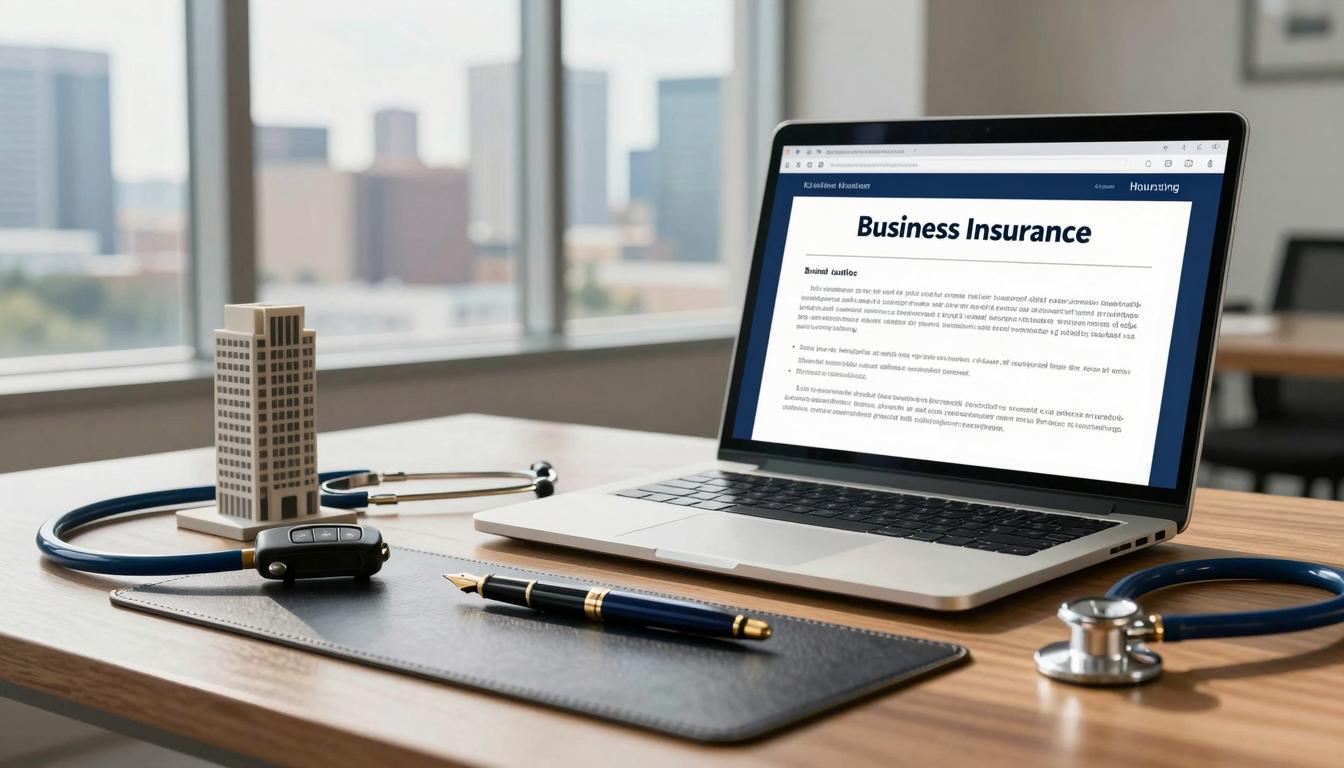
Essential Insurance Options Every Small Business Owner Should Consider
Essential Insurance Options Every Small Business Owner Should Consider
Introduction
Running a small business comes with countless responsibilities, and protecting your investment should be at the top of your priority list. Insurance is not just a legal requirement in many cases; it’s a critical safety net that can save your business from financial ruin in the face of unexpected events. Whether you’re dealing with accidents, lawsuits, property damage, or employee-related issues, the right insurance coverage can mean the difference between surviving a crisis and losing everything you’ve built. This article explores the essential insurance options that small business owners should carefully consider, helping you understand what each type covers and why it matters for your specific business situation. By the end of this guide, you’ll have a clearer picture of which policies deserve a place in your business’s risk management strategy.
General liability insurance: The foundation of business protection
General liability insurance serves as the backbone of most small business insurance portfolios. This coverage protects your business from claims of bodily injury, property damage, and personal injury that occur on your premises or as a result of your business operations. If a customer slips and falls in your store, or if your employee accidentally damages a client’s property during a service call, general liability insurance covers the legal fees, medical bills, and settlement costs.
The importance of this coverage cannot be overstated, particularly because many landlords and clients require proof of general liability insurance before allowing you to operate or enter their premises. The cost of this insurance is relatively affordable compared to other business policies, with premiums typically ranging from $400 to $1,000 annually for small businesses, depending on your industry and coverage limits.
What makes general liability insurance particularly valuable is that it protects against claims that could otherwise bankrupt a small operation. A single lawsuit resulting in a judgment of $50,000 or more could devastate a small business without this protection. Additionally, this policy usually includes coverage for legal defense costs, which are separate from the actual settlement amounts, further protecting your bottom line during litigation.
Property insurance and specialized coverage for your assets
Once you’ve established your foundation with general liability insurance, the next critical consideration is protecting the physical assets that keep your business running. Property insurance covers damage to your business building, equipment, inventory, and fixtures from events like fire, theft, vandalism, and certain weather-related incidents. If your business owns or rents the space, property insurance becomes an absolute necessity.
For small business owners, understanding the difference between replacement cost value and actual cash value is crucial. Replacement cost value covers the full expense of replacing damaged items with new ones, while actual cash value accounts for depreciation. Most business owners prefer replacement cost coverage, even though premiums are higher, because it provides more realistic protection in today’s economy.
Beyond standard property coverage, many small business owners benefit from specialized policies tailored to their specific needs. Consider these additional options:
- Equipment breakdown coverage: Protects expensive machinery and equipment from mechanical failure or electrical breakdown
- Business interruption insurance: Compensates you for lost income when your business is forced to close temporarily due to covered events
- Inland marine coverage: Protects equipment and inventory that you transport or store in multiple locations
- Cyber liability insurance: Increasingly important for any business storing customer data, this covers costs associated with data breaches and cyberattacks
Business interruption insurance deserves special attention because many small business owners overlook it. If a fire forces you to close for two months while repairs are completed, your revenue drops to zero but your expenses continue. This policy covers your fixed costs like rent and utilities during the closure period, allowing you to survive without devastating your finances.
Workers’ compensation and professional liability considerations
If your small business has employees, workers’ compensation insurance transitions from optional to mandatory in almost every state. This insurance provides medical coverage and wage replacement for employees who suffer work-related injuries or illnesses. Beyond the legal requirement, this coverage protects your business from employee lawsuits by limiting their ability to sue you directly for workplace injuries.
The costs of workers’ compensation vary dramatically by industry, with construction and healthcare generally carrying higher premiums than office-based businesses. Most states use a rating system based on your industry classification and claims history, so maintaining a safe workplace directly reduces your insurance costs. Implementing strong safety protocols and training programs can substantially lower your workers’ compensation premiums over time.
For professionals like consultants, contractors, accountants, and attorneys, professional liability insurance (also called errors and omissions insurance) is equally important. This coverage protects you if a client claims that your professional advice or services caused them financial harm. Unlike general liability, which covers physical injuries and property damage, professional liability addresses the consequences of your expertise or lack thereof.
The relationship between these two policies is important to understand. A client could claim injury from your professional services (professional liability territory) or claim that you damaged their property while performing your services (general liability territory). Many service-based businesses need both policies working in tandem to ensure comprehensive protection.
Commercial vehicle insurance and industry-specific needs
Any small business that uses vehicles for business purposes requires commercial vehicle insurance rather than personal auto insurance. This distinction is critical because personal auto policies specifically exclude business use. If you use a vehicle for business purposes without commercial coverage and have an accident, your personal insurance will deny the claim, leaving you personally liable for all damages.
Commercial auto insurance covers liability for injuries and property damage you cause while driving for business, medical payments to your passengers, collision and comprehensive coverage for your vehicles, and uninsured motorist protection. If your business operates a fleet of vehicles, you’ll benefit from fleet discounts that reduce the per-vehicle premium.
Beyond these core policies, your specific industry may require additional coverage. The table below outlines insurance considerations for various business types:
| Business type | Core requirements | Additional considerations |
|---|---|---|
| Retail store | General liability, property insurance | Product liability, inventory coverage, theft protection |
| Consulting firm | General liability, professional liability | Cyber liability, employment practices liability |
| Construction company | General liability, workers’ compensation | Contractor’s tools coverage, performance bonds |
| Home-based business | Home-based business policy | Professional liability (if applicable), cyber liability |
| Salon or spa | General liability, workers’ compensation | Product liability, professional liability, abuse and molestation coverage |
| Restaurant | General liability, workers’ compensation, property | Liquor liability, product liability, spoilage coverage |
This table demonstrates that while some insurance types are universal, your specific business model creates unique risks that require tailored coverage. A consulting firm and a construction company have completely different insurance needs despite both being small businesses, reflecting their different operational risks.
Conclusion
Selecting appropriate insurance coverage is one of the most important risk management decisions a small business owner will make. Starting with general liability insurance provides foundational protection, while property insurance safeguards your physical assets and revenue stream. Workers’ compensation becomes non-negotiable once you hire employees, and professional liability protects service-based businesses from the consequences of their expertise. Commercial vehicle insurance and industry-specific coverage complete the picture, ensuring that you’ve addressed the unique risks your business faces.
The key to effective business insurance is viewing it not as an expense but as an investment in your business’s longevity. The right coverage combination protects not only your financial assets but also allows you to sleep at night knowing that unexpected disasters won’t destroy what you’ve worked to build. Take time to assess your specific risks, consult with an experienced insurance broker, and review your coverage annually as your business evolves. By making informed insurance decisions now, you’re building a stronger, more resilient business that can withstand the inevitable challenges that come with entrepreneurship.

news via inbox
Nulla turp dis cursus. Integer liberos euismod pretium faucibua