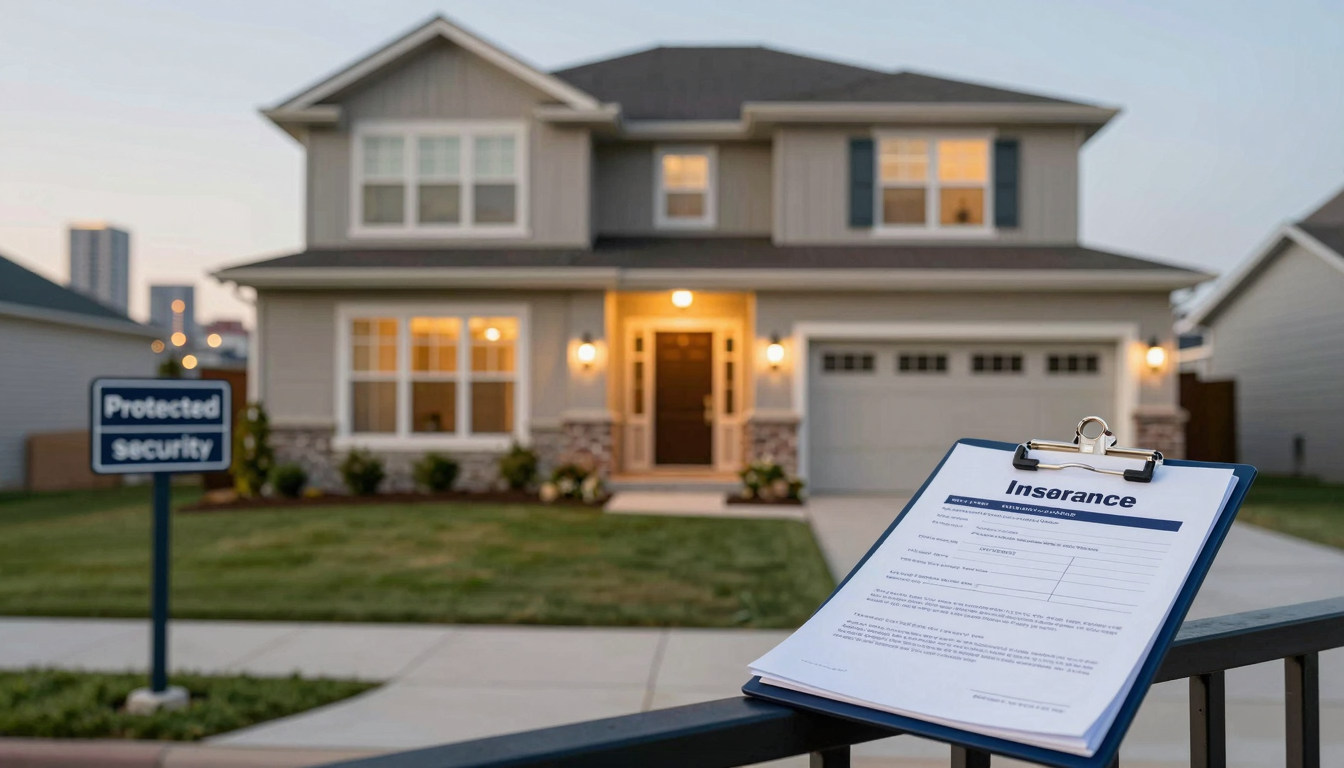
Essential Insurance Types Every Homeowner Should Consider
Essential Insurance Types Every Homeowner Should Consider
Owning a home is one of the most significant investments most people make in their lifetime. While many homeowners focus on the property itself, understanding the various insurance types available is equally crucial for protecting that investment. Insurance serves as a financial safety net against unexpected disasters, accidents, and liabilities that could otherwise devastate your finances. From natural disasters like hurricanes and earthquakes to theft and personal injury claims, the right insurance coverage can mean the difference between recovering quickly or facing years of financial hardship. This article explores the essential insurance types every homeowner should understand and consider. Whether you’re a first-time buyer or an experienced property owner, knowing what coverage options exist will help you make informed decisions about protecting your home and assets. We’ll examine standard homeowners insurance, specialized coverage options, and supplementary policies that work together to create a comprehensive protection strategy for your most valuable possession.
Standard homeowners insurance and what it covers
Homeowners insurance is the foundation of residential property protection, and most mortgage lenders require it as a condition of financing. Standard homeowners insurance policies typically include several key coverage areas that work together to protect your investment. Understanding what’s included and what’s excluded is essential before purchasing a policy.
The primary component is dwelling coverage, which protects the structure of your home against damage from covered perils. This includes damage from fire, theft, windstorms, and vandalism. Dwelling coverage pays for repairs or rebuilding if your home suffers a covered loss. The coverage amount should reflect the replacement cost of your home, not necessarily its market value. This distinction matters significantly because rebuilding costs can differ substantially from what you could sell the property for.
Personal property coverage is another critical component that protects your belongings inside the home. This includes furniture, electronics, clothing, and other household items. Most policies cover personal property at a percentage of your dwelling coverage amount, typically around 50 to 70 percent. However, certain high-value items like jewelry, artwork, and collectibles may have limited coverage and might require additional riders to fully protect them.
Liability coverage protects you if someone is injured on your property or if you accidentally damage someone else’s property. This coverage handles medical expenses and legal fees if you’re found responsible. For example, if a guest slips on your icy walkway and breaks their leg, liability coverage would pay their medical bills and related costs. Most policies include at least $100,000 in liability coverage, though many experts recommend higher limits for additional protection.
Additional living expenses, sometimes called loss of use coverage, becomes valuable if your home becomes uninhabitable due to a covered loss. This coverage pays for temporary housing, meals, and other necessary expenses while your home is being repaired or rebuilt. Without this coverage, you could face significant out-of-pocket costs while recovering from a disaster.
| Coverage Type | What it protects | Typical limits | When it applies |
|---|---|---|---|
| Dwelling | Your home’s structure | Replacement cost value | Fire, wind, theft, vandalism |
| Personal property | Your belongings inside | 50-70% of dwelling coverage | Loss or damage to items |
| Liability | Others injured on your property | $100,000-$500,000+ | Accidents causing injury or damage |
| Additional living expenses | Temporary housing if displaced | 10-20% of dwelling coverage | Home becomes uninhabitable |
Specialized coverage for specific risks
Beyond standard homeowners insurance, many homeowners face specific risks that require additional protection. These specialized coverages address gaps in traditional policies and provide targeted protection against particular perils that could devastate your finances.
Flood insurance is one of the most important specialized coverages for many homeowners. Standard homeowners insurance explicitly excludes flood damage, a significant gap in coverage since flooding is one of the most common natural disasters affecting homes. If you live in a flood-prone area, your mortgage lender may require flood insurance as a condition of financing. Even if not required, it’s worth considering if you’re near a river, coastal area, or low-lying region. Flood insurance is typically purchased through the National Flood Insurance Program or private insurers and operates separately from your homeowners policy.
Earthquake insurance is another critical specialized coverage for homeowners in seismic regions. Like flood insurance, earthquake damage is excluded from standard homeowners policies. If you live in an earthquake-prone area like California, the Pacific Northwest, or other at-risk regions, earthquake insurance provides essential protection. This coverage can be expensive depending on your location and home construction, but the alternative is potentially catastrophic uninsured losses.
Hurricane and windstorm insurance becomes necessary in coastal areas and regions prone to severe storms. While standard policies cover wind damage, insurers in hurricane-prone areas often exclude or limit windstorm coverage. In these regions, you may need to purchase separate windstorm coverage or obtain it through state-run insurers of last resort. The distinction matters because standard policies in these areas provide limited wind protection, leaving you underinsured.
Sewer and water backup coverage protects you against damage from sewage or water backing up into your home through drains or pipes. This type of damage is typically excluded from standard policies and can be extremely costly to repair. If your home has a basement or you’ve experienced drainage issues, this coverage becomes particularly valuable.
Umbrella liability insurance extends your liability protection beyond the limits of your homeowners policy. If you’re sued and the judgment exceeds your homeowners insurance limits, umbrella coverage picks up the remaining costs. This policy is affordable relative to the protection it provides and is especially valuable if you have significant assets to protect or higher-risk situations like a swimming pool or trampoline.
Loss prevention and deductible considerations
Choosing appropriate coverage extends beyond simply selecting policy types and limits. Deductibles and loss prevention measures significantly impact both your insurance costs and your financial responsibility when claims occur. Understanding these elements helps you make cost-effective decisions.
Your deductible is the amount you pay toward a claim before your insurance coverage begins. Higher deductibles lower your premium but increase your out-of-pocket costs when a loss occurs. Many homeowners opt for the standard $500 or $1,000 deductible, but some choose higher deductibles of $2,500 or $5,000 to save on premiums. The right choice depends on your financial situation and ability to handle a claim expense if needed.
Insurance companies reward homeowners who take steps to prevent losses. Loss prevention measures not only reduce the likelihood of damage but can also qualify you for discounts on your premiums. Installing security systems, smoke detectors, and burglar alarms can reduce theft and fire-related losses. Many insurers offer discounts of 10 to 20 percent for homes with these protective devices installed. Similarly, maintaining your roof, HVAC system, and plumbing can prevent costly water and weather damage.
Bundle discounts represent another significant opportunity for savings. Many insurers offer substantial discounts when you combine homeowners insurance with auto insurance and other policies. These bundled rates often save 15 to 25 percent compared to purchasing policies separately. Shopping among multiple insurers is essential since different companies offer varying discounts and rates.
Regular policy reviews help ensure your coverage remains adequate as your home and circumstances change. Updating your coverage after home improvements, renovations, or significant purchases ensures you maintain proper protection. If you’ve added a deck, renovated your kitchen, or purchased expensive jewelry, your dwelling and personal property coverage should reflect these changes. Similarly, if you’ve paid off your mortgage or accumulated significant assets, increasing your liability limits becomes more important.
Protecting valuable items and special considerations
While standard homeowners insurance provides broad protection, certain valuable items require special attention. High-value items and collectibles often have limited coverage under standard policies, necessitating additional protection through riders or endorsements.
Jewelry, artwork, antiques, and collectibles typically have coverage limits of $1,500 to $2,500 under standard policies. If you own pieces worth more than these limits, you’ll want to add a valuable items rider. These riders, also called scheduled personal property endorsements, specifically list valuable items and their values. You’ll need appraisals or receipts to document the items’ value, but this coverage protects them regardless of how they’re damaged or lost.
Technology and electronics have become increasingly valuable household items. Computers, tablets, home theater systems, and smart home devices can quickly accumulate significant value. While standard personal property coverage includes these items, damage from malfunctions or accidental breakage may not be covered. Some insurers offer electronics coverage riders that specifically address these gaps.
Home-based businesses present special insurance challenges that standard homeowners policies don’t adequately address. If you operate a business from home, your homeowners policy likely excludes business-related liability and property damage. Home-based business insurance or a commercial general liability policy becomes necessary to protect your business and personal assets. This is particularly important if clients or customers visit your home or if you store business equipment there.
The number of claims you’ve filed also influences your insurability and rates. Insurance companies maintain claims history databases, and multiple claims within a few years can result in higher premiums or even policy non-renewal. Some homeowners hesitate to file legitimate claims fearing premium increases. Understanding your insurer’s claims policies helps you make informed decisions about when filing a claim makes financial sense.
Evaluating and updating your insurance strategy
Creating a comprehensive insurance strategy isn’t a one-time decision but an ongoing process. Periodic evaluation and adjustment of your coverage ensures you maintain adequate protection as your life and circumstances evolve. Several factors warrant reviewing your insurance needs.
Life changes trigger the need for insurance reassessment. Getting married, having children, or experiencing significant income changes all affect your insurance needs. Similarly, paying off your mortgage doesn’t eliminate the need for homeowners insurance, though the coverage focus may shift from protecting your lender’s interest to protecting your own assets.
Home improvements and renovations directly impact your coverage needs. If you’ve remodeled your kitchen, added a bathroom, or expanded your living space, your dwelling coverage should increase proportionally. Insurance companies base rates on replacement cost, so upgrades that increase this value warrant higher coverage limits. Conversely, if you’ve made energy-efficient upgrades or installed protective systems, you may qualify for new discounts.
Shopping for insurance every few years ensures you’re not overpaying for coverage. Insurance rates fluctuate based on market conditions, your claims history, and changes in your home or location. Getting quotes from multiple insurers helps you identify better rates or coverage options. Many people stay with the same insurer for years without realizing they could save significant money by switching.
Natural disasters affecting your area should prompt insurance reviews. If your region experiences increased flooding, hurricanes, or other weather events, your coverage may need adjustment. Similarly, if new information suggests your area has higher risk levels than previously understood, specialized coverage becomes more justified.
Maintaining detailed home documentation supports your insurance claims if a loss occurs. Photographing and videoing your home’s interior and exterior, keeping receipts for valuable items, and maintaining an inventory of your possessions all help substantiate claims. This documentation proves invaluable when insurance adjusters assess damage or verify losses.
Conclusion
Protecting your home through appropriate insurance coverage represents one of the most important financial decisions homeowners make. While standard homeowners insurance forms the foundation of residential protection, comprehensive coverage requires evaluating your specific situation and considering specialized policies addressing particular risks. The combination of dwelling coverage, personal property protection, liability insurance, and additional living expenses provides essential safeguards against common perils. However, homeowners in flood-prone areas, earthquake zones, or coastal regions need supplementary coverage to address the significant gaps in standard policies. Implementing loss prevention measures, choosing appropriate deductibles, bundling policies, and regularly reviewing your coverage ensures you maintain cost-effective protection aligned with your current needs. Valuable items may require scheduled endorsements, while home-based businesses need specialized coverage. By understanding the various insurance types available and thoughtfully evaluating your circumstances, you create a comprehensive protection strategy that safeguards your most valuable asset. Remember that insurance needs change over time, making periodic reviews and updates essential. Taking the time to understand your coverage options and maintain adequate protection provides peace of mind and financial security for you and your family.

news via inbox
Nulla turp dis cursus. Integer liberos euismod pretium faucibua