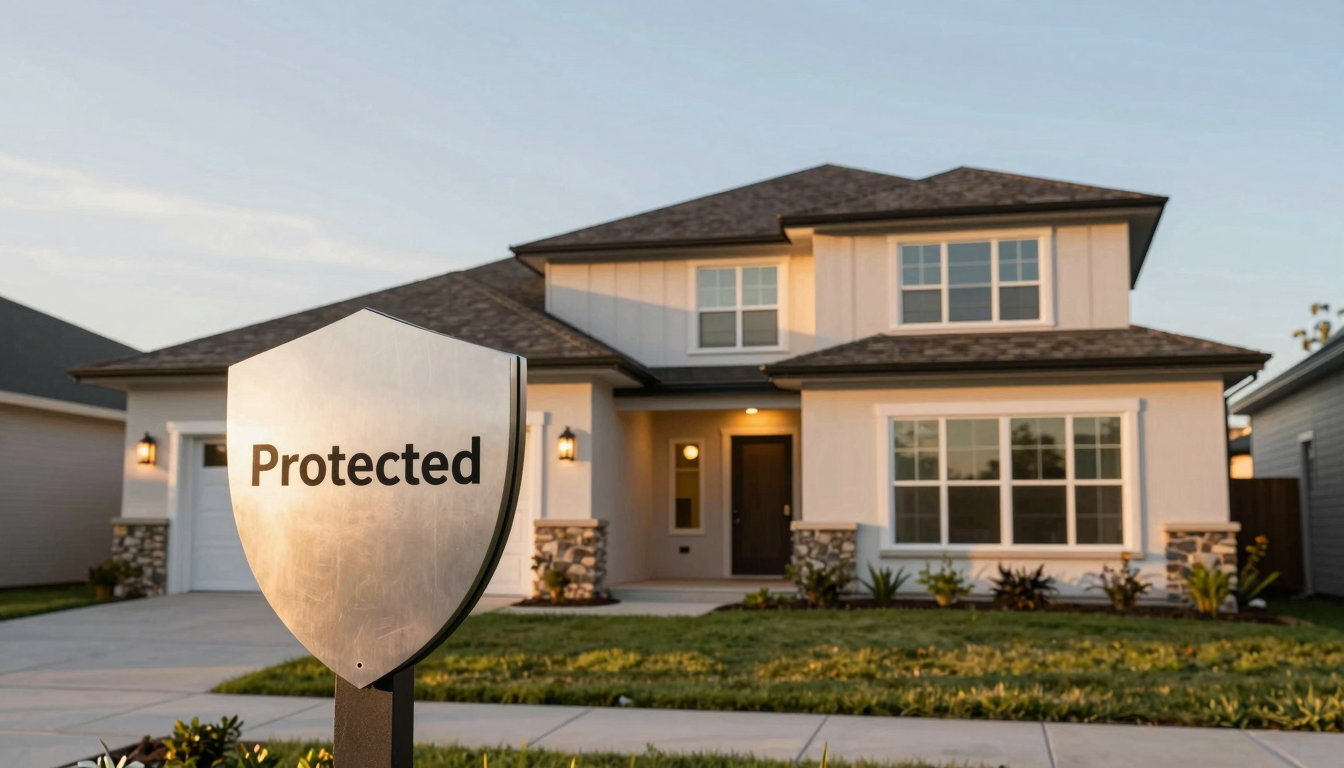
Affordable Liability Coverage Options for Homeowners and Renters
Affordable liability coverage options for homeowners and renters
Introduction
Liability coverage is one of the most important yet often overlooked aspects of homeowners and renters insurance. Whether you own a home or rent an apartment, protecting yourself from potential lawsuits and financial claims is essential. Accidents happen unexpectedly—a guest slips on your icy steps, someone gets injured on your property, or your dog causes damage to a neighbor’s home. Without adequate liability protection, you could face devastating financial consequences that threaten your savings and future earnings. The good news is that affordable liability coverage options are widely available for both homeowners and renters. This article explores the various types of liability coverage, helps you understand what you actually need, compares pricing across different providers, and provides practical strategies for reducing your insurance costs. By the end, you’ll have the knowledge to make informed decisions about protecting yourself without breaking the bank.
Understanding liability coverage basics
Liability coverage is fundamentally about financial protection when someone else is injured on your property or when you accidentally cause property damage to someone else’s belongings. Standard homeowners insurance typically includes personal liability coverage, which covers medical expenses, lost wages, pain and suffering, and legal defense costs if you’re found responsible for an injury or damage claim.
The coverage comes in two main types: bodily injury liability and property damage liability. Bodily injury liability covers medical bills and other expenses when someone is hurt on your property. For example, if a friend falls down your stairs and requires surgery, this coverage would help pay their medical costs. Property damage liability protects you when you accidentally damage someone else’s property. If your child kicks a soccer ball through a neighbor’s window, or if a tree from your yard falls and damages their fence, this coverage applies.
For renters, the situation is slightly different. Your landlord’s insurance covers the building itself, but it doesn’t protect you for incidents involving your personal liability. This is why renters insurance with liability coverage is crucial. When you rent, you’re responsible for your own injuries you cause to others or damage you’re liable for.
Most standard homeowners policies include liability limits of 100,000 to 300,000 dollars. Renters policies typically start at similar levels. However, these limits may not be sufficient if a serious accident occurs, which is why understanding your coverage options and considering umbrella policies becomes important.
Standard coverage limits and how they compare
Insurance companies offer different liability coverage limits, and choosing the right one depends on your specific situation, assets, and risk level. Let’s examine how typical coverage limits break down and what they actually protect:
| Coverage limit | Typical cost per year | Best for | What it covers |
|---|---|---|---|
| 100,000 dollars | Included in base policy | Renters with minimal assets | Basic medical bills and minor property damage |
| 300,000 dollars | +15 to 25 dollars | Most homeowners and renters | Serious injuries, major property damage, legal fees |
| 500,000 dollars | +25 to 40 dollars | Homeowners with moderate assets | High-risk activities, pools, or multiple properties |
| 1,000,000 dollars | +50 to 75 dollars | Affluent homeowners, high-risk activities | Comprehensive protection, large judgment awards |
The cost difference between limits is often modest. Increasing your liability coverage from 300,000 to 500,000 dollars typically adds only 20 to 30 dollars annually to your homeowners policy. This small increase in premium can provide substantial additional protection, making it an economical choice for most people.
Understanding what these limits actually mean is important. If you’re found liable for an injury or damage claim that exceeds your coverage limit, you become personally responsible for the difference. For instance, if your liability limit is 300,000 dollars but a court awards 500,000 dollars in damages, you’d need to pay the remaining 200,000 dollars from your own pocket. This reality makes selecting appropriate coverage limits critically important.
Affordable options for homeowners and renters
Finding affordable liability coverage requires understanding what options are available and how to strategically select coverage that meets your needs without overpaying. Both homeowners and renters have several pathways to obtain cost-effective protection.
Bundling insurance policies is one of the most effective ways to reduce liability coverage costs. If you purchase homeowners insurance and auto insurance from the same company, insurers typically offer discounts ranging from 10 to 25 percent. Some companies even offer further discounts when you add umbrella policies to your bundle. A renter who bundles renters insurance with auto insurance can achieve similar savings. When you add renters insurance to an existing auto policy, the bundling discount often makes the renters policy remarkably inexpensive—sometimes just 10 to 15 dollars per month.
Increasing your deductible is another straightforward strategy to lower premiums while maintaining adequate coverage. By raising your deductible from 500 to 1,000 dollars, you can reduce your annual premium by 15 to 20 percent. This approach works because you’re assuming more financial responsibility for small claims, which makes you a lower-risk customer from the insurer’s perspective. However, you should only increase your deductible if you have an emergency fund to cover it.
Taking advantage of low-risk discounts can significantly reduce your insurance costs. Insurance companies offer discounts for various reasons including:
- Safety features like alarm systems, deadbolts, and fire extinguishers
- Good credit scores (many insurers use this as a rating factor)
- No recent claims or violations
- Completing safety courses
- Installing smoke detectors or security cameras
- Being a long-term customer with the same insurer
These discounts aren’t universal—different companies emphasize different factors—so it pays to ask your insurance agent which discounts you qualify for and which actions might earn additional reductions.
Comparing multiple insurers is essential because prices vary dramatically between companies. Two identical policies from different insurers might cost 600 dollars and 900 dollars annually. Getting quotes from at least three to five different companies takes only 30 minutes online and could save you hundreds of dollars per year. Many comparison websites make this process seamless by allowing you to enter your information once and receive quotes from multiple providers.
Umbrella policies deserve special mention as an affordable way to extend liability protection. An umbrella policy sits above your homeowners or renters policy and provides additional coverage that kicks in when your primary policy limits are exhausted. A one million dollar umbrella policy typically costs 150 to 300 dollars annually, making it an incredibly cost-effective way to boost protection. For renters, umbrella policies are less common but still available through many insurers.
Evaluating your specific liability needs
Not everyone needs the same level of liability coverage. Your situation is unique, and your coverage should reflect your actual risks and financial situation. Several factors should guide your decision about how much liability coverage to obtain.
Your net worth and assets are the primary considerations. Financial experts suggest that your liability coverage should protect your entire net worth. If you have 500,000 dollars in savings, property, investments, and other assets, you should have at least 500,000 dollars in liability coverage. This ensures that in a worst-case scenario, your assets are protected from a judgment. If you have limited assets and are renting a modest apartment, a standard 100,000 or 300,000 dollar limit may be sufficient. As your wealth increases, your coverage should increase proportionally.
Your lifestyle and activities significantly impact your liability risk. Certain situations create higher liability exposure. If you own a swimming pool, trampoline, or hot tub, your liability risk increases substantially. People are more likely to be injured in these environments, and injuries are often more severe. If you have children, pets, or frequently entertain guests, your risk profile is higher than someone living alone who rarely has visitors. If you run a home-based business, even informally, you may need additional coverage beyond standard homeowners or renters policies.
Your location matters too. Urban areas with higher population density mean more people have the potential to interact with your property and possibly sustain injuries. Suburban and rural properties with larger grounds might have different risks, such as tree damage or trespasser concerns. Some states have higher average judgment awards than others, which influences how much coverage you should carry.
Your income and career are also relevant. If you’re a professional earning a six-figure income, you have more financial exposure than someone earning an average wage. Courts often consider future earning potential when determining damage awards. A doctor or attorney earning significant income faces higher potential judgment awards if someone is seriously injured and sues.
A practical assessment involves listing your valuable assets and calculating your net worth. Then, select a liability limit that equals or exceeds this amount. If your calculation points to a coverage level that seems expensive, consider an umbrella policy as the cost-effective solution to reach your target protection level.
Conclusion
Affordable liability coverage is entirely achievable for both homeowners and renters when you understand your options and take a strategic approach. Standard liability coverage included with homeowners and renters insurance provides a foundation of protection, but the relatively small cost to increase your limits makes it prudent to do so. By bundling policies, selecting appropriate deductibles, qualifying for available discounts, and comparing multiple insurers, you can substantially reduce your insurance costs while maintaining robust protection.
The key is matching your coverage to your specific circumstances rather than accepting whatever default limits your insurer offers. Consider your assets, lifestyle, location, and income level to determine appropriate coverage limits. Remember that umbrella policies provide a cost-effective way to extend protection without paying premium rates on your primary policy. Ultimately, the right liability coverage strikes a balance between affordability and adequate protection. Taking time to evaluate your needs, shop around for competitive quotes, and optimize your coverage will provide peace of mind knowing you’re protected from unexpected financial disasters without overpaying for insurance.

news via inbox
Nulla turp dis cursus. Integer liberos euismod pretium faucibua