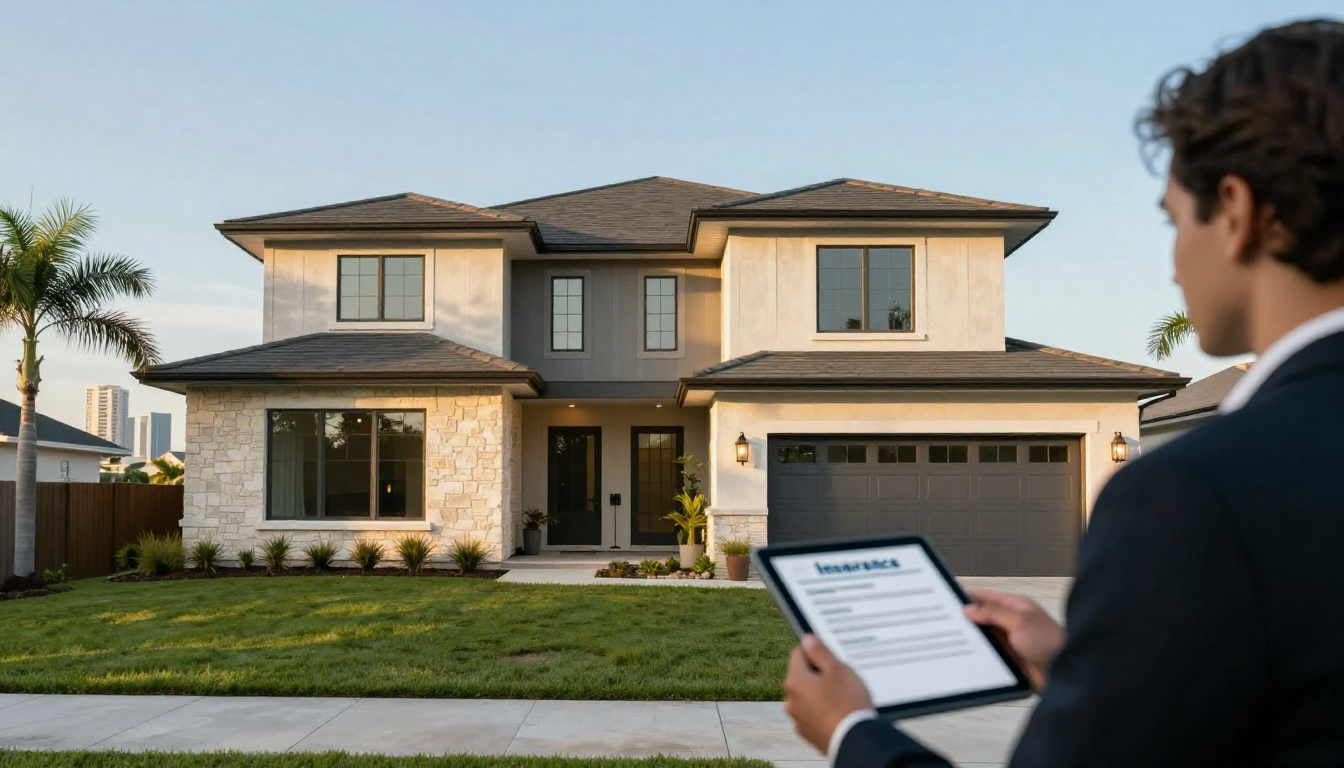
Essential Insurance Coverage Every Homeowner Should Have
Essential insurance coverage every homeowner should have
Owning a home is one of the most significant investments most people make in their lifetime. Yet many homeowners overlook one of the most critical aspects of property ownership: adequate insurance coverage. The right insurance policies protect your financial investment and provide peace of mind knowing you’re prepared for unexpected events. From natural disasters to liability claims, homeowners face numerous risks that can result in substantial financial losses. Understanding what types of insurance coverage are essential helps you make informed decisions about protecting your property and assets. This guide explores the various insurance options available to homeowners, explaining what each covers and why having the right combination of policies is crucial for comprehensive protection.
Homeowners insurance fundamentals
Homeowners insurance serves as the foundation of your home’s protection strategy. This standard policy typically covers damage to your home’s structure, personal belongings, and liability protection. Dwelling coverage is the core component, protecting the physical structure of your home including walls, roof, built-in appliances, and permanently attached fixtures. This coverage is essential because it ensures you can rebuild or repair your home if it’s damaged by covered perils.
Beyond dwelling coverage, homeowners insurance includes personal property coverage, which protects your belongings inside the home such as furniture, electronics, clothing, and other possessions. If these items are damaged, stolen, or lost due to covered events, your insurance reimburses you up to your policy limits. Most standard policies cover personal property at 50 to 70 percent of your dwelling coverage amount, though you can increase this if needed.
Another critical component is liability coverage, which protects you financially if someone is injured on your property or if you accidentally damage someone else’s property. If a guest slips on your icy driveway or your child accidentally breaks a neighbor’s window, liability coverage helps pay for medical expenses or property damage claims. The standard liability limit is typically 100,000 dollars, but many experts recommend higher limits for better protection.
Understanding these fundamental components helps you evaluate whether your current coverage meets your needs. Most mortgage lenders require homeowners to maintain adequate insurance before they’ll finance a property purchase. However, meeting the minimum requirement isn’t always sufficient for complete protection.
Understanding additional coverage options
Beyond the standard homeowners insurance policy, several additional coverage options address specific risks and gaps in basic coverage. Water damage coverage is particularly important because standard homeowners policies typically exclude damage from flooding, which is one of the most common and costly types of home damage. Flood insurance must be purchased separately through the National Flood Insurance Program or private insurers, especially if your home is in a high-risk flood zone.
However, water damage from burst pipes, roof leaks, or sudden plumbing failures is generally covered under standard homeowners policies. This distinction is crucial to understand. If you live in an area prone to flooding, flood insurance is not optional but rather essential for protecting your investment. The average cost of flood damage to a home can reach 70,000 dollars or more, making this coverage invaluable.
Another important addition is earthquake insurance, which standard homeowners policies exclude entirely. If you live in an earthquake-prone region, particularly along the West Coast or other seismic zones, earthquake insurance protects your home from damage caused by seismic activity. This coverage can be purchased as an endorsement to your homeowners policy or as a separate policy. The cost varies significantly based on location and risk factors.
For homeowners with valuable items such as jewelry, art, antiques, or collections, scheduled personal property coverage or a separate rider provides additional protection. Standard homeowners policies often limit coverage for specific high-value items. For example, jewelry might be limited to 1,500 dollars unless you add a specific rider to cover it fully. This option allows you to list valuable items individually and receive full replacement cost coverage for them.
Additional living expenses coverage, also called loss of use coverage, becomes invaluable if your home becomes uninhabitable due to a covered loss. This coverage pays for temporary housing, meals, and other necessary expenses while your home is being repaired. Without this coverage, you could face significant out-of-pocket costs if disaster strikes.
Liability and specialized coverages
While standard homeowners insurance includes basic liability protection, certain situations require specialized coverage to ensure adequate protection. Umbrella insurance provides additional liability coverage above the limits of your homeowners policy, typically offering 1 to 5 million dollars in extra protection. This coverage is particularly important if you have significant assets to protect or engage in activities that increase liability risk.
For homeowners with swimming pools, trampolines, or other recreational features, liability risk increases substantially. An umbrella policy helps protect your assets if someone is seriously injured and files a lawsuit exceeding your homeowners policy limits. With legal settlements sometimes reaching hundreds of thousands of dollars, umbrella insurance offers crucial protection at a relatively modest cost, typically ranging from 150 to 300 dollars annually for 1 million dollars in coverage.
If you operate a home-based business, your homeowners insurance likely provides insufficient coverage for business-related activities and equipment. Home-based business insurance or a commercial general liability policy protects your business assets, customer liability, and loss of business income. This is essential if clients visit your home or if you keep inventory or expensive equipment on the property.
Pet owners should consider whether their homeowners liability coverage adequately addresses pet-related incidents. While most homeowners policies cover dog bite liability, coverage limits vary. Some insurers exclude certain dog breeds or require additional premiums. Understanding these nuances helps you avoid coverage gaps.
The relationship between different policies is important to understand. Your homeowners insurance serves as the primary protection, while umbrella insurance kicks in only after your homeowners liability limits are exhausted. Specialized policies fill specific gaps that standard coverage doesn’t address. Building a comprehensive insurance strategy involves evaluating your unique risks and selecting appropriate coverage for each situation.
Calculating proper coverage amounts
One of the most common insurance mistakes homeowners make is underinsuring their property. Determining the correct coverage amounts requires careful consideration of your home’s replacement cost, not its market value. Replacement cost is what it would cost to rebuild your home from the ground up using current construction costs and materials, while market value includes land value and may be higher or lower depending on your location.
To calculate appropriate dwelling coverage, gather the following information:
- Square footage of your home
- Number of stories and rooms
- Age and condition of the structure
- Construction materials used
- Local building codes and construction costs
Most insurance agents can help you determine accurate replacement costs, or you can use online tools that estimate based on local construction data. Many homeowners insurance policies include replacement cost coverage for buildings, meaning you receive enough to rebuild at current prices. Some older policies offer actual cash value coverage instead, which accounts for depreciation and provides less reimbursement.
For personal property coverage, create a detailed home inventory documenting what you own and its value. Take photographs or videos of rooms and belongings for documentation purposes. This inventory serves multiple purposes: it helps you determine appropriate coverage limits and provides evidence for claims if loss occurs. Many insurance companies provide mobile apps or inventory templates to simplify this process.
Here’s a comparison of typical coverage types and their implications:
| Coverage type | What it covers | Typical limits | Cost implications |
|---|---|---|---|
| Dwelling coverage | Home structure and attached features | Based on replacement cost | Primary component of premium |
| Personal property | Belongings inside home | 50-70% of dwelling coverage | Moderate portion of premium |
| Liability | Medical and property damage claims | 100,000 to 500,000 dollars | Minimal cost increase |
| Deductibles | Amount you pay before insurance applies | 500 to 2,500 dollars | Higher deductible equals lower premium |
| Flood insurance | Water damage from flooding | Based on home value | Varies significantly by location |
Underinsurance creates serious problems when claims occur. If your home is insured for 200,000 dollars but actually costs 350,000 dollars to rebuild, insurance companies typically apply a co-insurance penalty, meaning they pay proportionally less than expected. For example, you might only recover 57 percent of your loss instead of 80 percent. Overinsuring is less problematic but wastes money on unnecessary premiums. The goal is matching coverage amounts to actual replacement costs.
Implementing and maintaining your insurance strategy
Selecting the right insurance coverage is only the first step; maintaining your policies and keeping them current is equally important. Annual policy reviews ensure your coverage still matches your home’s current value and your life circumstances. Home improvements, renovations, and additions increase your property’s replacement cost, requiring higher dwelling coverage limits. Similarly, changes in your life such as starting a business, acquiring valuable items, or major life events may necessitate additional or different coverage.
Keep detailed records of all insurance policies, coverage limits, deductibles, and contact information for your insurance agent and company. Store policy documents in a secure location, and maintain a digital backup for easy access. When making a claim, thorough documentation and prompt reporting are essential for quick resolution. Most policies require you to report damage within a specific timeframe, typically 30 to 90 days.
Shopping for insurance periodically can also help you save money while maintaining coverage. Insurance rates vary significantly among companies and change annually. By getting quotes from multiple insurers every few years, you may find better rates or discover new coverage options. Many insurers offer discounts for bundling home and auto insurance, installing security systems, improving home safety features, or maintaining a claims-free history. These discounts can reduce your premium by 15 to 30 percent or more.
Disaster preparedness and risk reduction directly impact your insurance needs and costs. Installing a roof that resists hail and wind damage, upgrading electrical systems, installing fire-resistant materials, and maintaining proper drainage can all reduce your risk profile. Some insurers offer premium reductions for homes meeting specific safety standards. Additionally, maintaining your property through regular repairs and maintenance helps prevent damage and strengthens your insurance position if claims arise.
Conclusion
Comprehensive homeowners insurance protection requires more than just a basic policy; it demands careful evaluation of your unique risks and intentional selection of coverage that addresses them. From standard dwelling and personal property coverage to specialized policies like flood insurance and umbrella coverage, each component serves a specific purpose in your overall protection strategy. Understanding the differences between coverage types, calculating appropriate limits based on replacement costs, and maintaining current policies ensures your home and assets remain adequately protected.
The financial stakes involved in home ownership make insurance decisions critically important. A single major loss without proper coverage can result in devastating financial consequences that take years to recover from. By taking time to evaluate your specific risks, working with qualified insurance professionals to determine appropriate coverage amounts, and regularly reviewing your policies as your circumstances change, you build a solid foundation of financial protection. Prioritizing comprehensive insurance coverage demonstrates responsible homeownership and provides the peace of mind that comes from knowing you’re prepared for life’s unexpected events. Your home represents more than just a financial investment; it’s where memories are made and families thrive. Protecting it with appropriate insurance is one of the most important decisions you can make.

news via inbox
Nulla turp dis cursus. Integer liberos euismod pretium faucibua