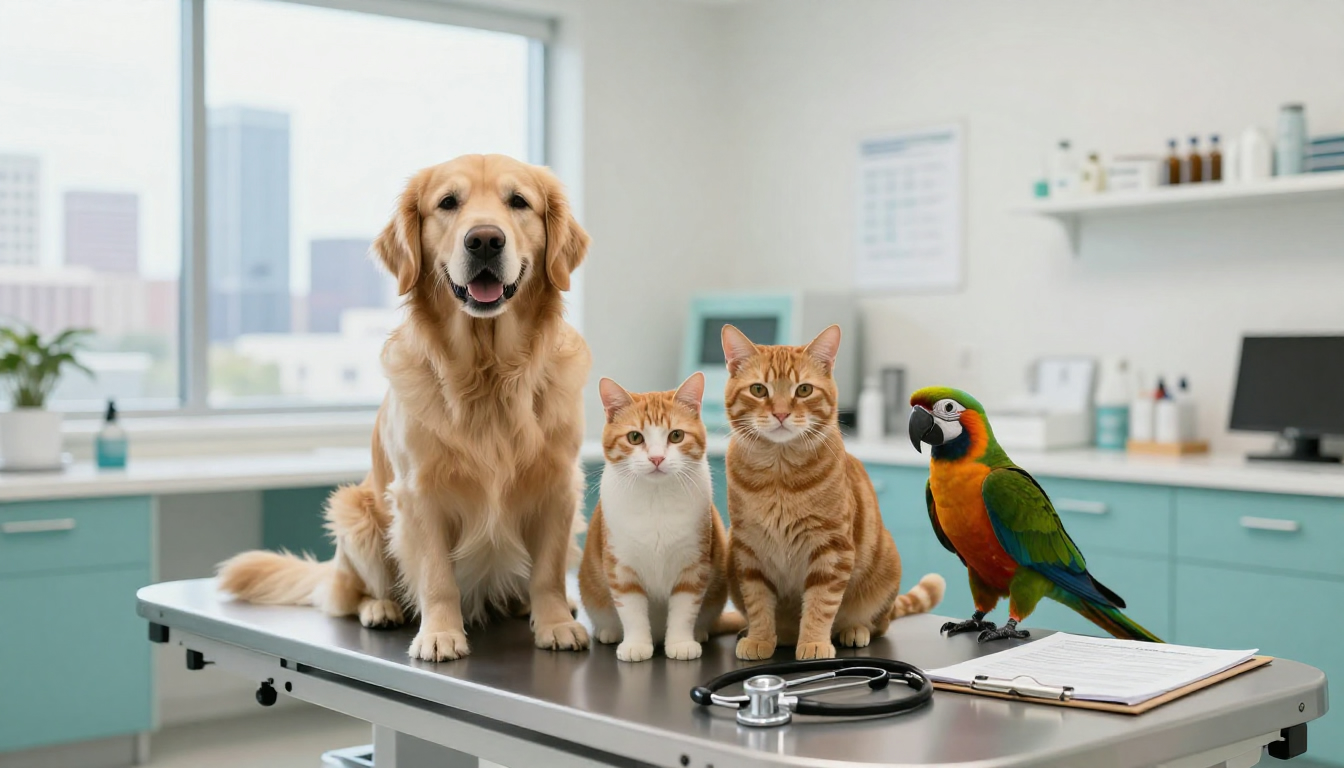
Understanding Pet Insurance: What Coverage is Best for Dogs, Cats, and Exotic Pets?
Understanding Pet Insurance: What Coverage is Best for Dogs, Cats, and Exotic Pets?
Introduction
Pet ownership comes with tremendous joy but also significant financial responsibility. Unexpected veterinary emergencies can cost thousands of dollars, leaving many pet owners facing difficult decisions about their animal’s care. Pet insurance has emerged as a practical solution to manage these costs while ensuring your furry, feathered, or scaly companion receives the medical attention they deserve. Whether you own a dog, cat, or exotic pet, understanding the different types of coverage available can help you make an informed decision about protecting your pet’s health and your financial security. This article explores the various pet insurance options available for different types of pets, helping you navigate the complex landscape of coverage plans, deductibles, and exclusions to find the best protection for your beloved animals.
Types of pet insurance coverage explained
Pet insurance operates differently than human health insurance, and understanding the basic coverage types is essential before purchasing a policy. Most pet insurance companies offer several distinct coverage models, each designed to address different levels of protection and affordability.
Accident-only coverage represents the most basic and affordable option available in the market. This type of plan covers injuries resulting from accidents, such as broken bones, lacerations from fights, or injuries from vehicle collisions. However, accident-only policies explicitly exclude illnesses like cancer, diabetes, or infections. This coverage works best for younger, healthy pets where the owner wants protection against unexpected trauma but accepts the risk of illness-related expenses. The monthly premiums for accident-only coverage typically range from ten to twenty dollars, making it accessible for budget-conscious pet owners.
Accident and illness coverage provides comprehensive protection for both traumatic injuries and medical conditions. This middle-ground option covers accidents along with diseases, chronic conditions, and hereditary issues. Many pet owners prefer this plan because it addresses the most common veterinary expenses. Premiums typically range from thirty to sixty dollars monthly, depending on the pet’s age, breed, and location. This coverage often includes diagnostic tests, medications, surgeries, and hospitalization.
Comprehensive wellness coverage represents the most extensive option available. Beyond accidents and illnesses, these plans include preventive care such as annual checkups, vaccinations, dental cleanings, and routine screenings. Some policies even cover spaying or neutering, microchipping, and behavioral training. While premiums for comprehensive plans run higher, typically between seventy and one hundred fifty dollars per month, they eliminate out-of-pocket costs for routine care and can provide excellent value over a pet’s lifetime.
Understanding these three main categories helps you determine which coverage level aligns with your pet’s needs and your financial situation. The choice between them depends on your pet’s age, breed predisposition to certain conditions, and your ability to cover unexpected veterinary costs.
Coverage considerations for dogs and cats
While dogs and cats share the same insurance coverage types, their specific health risks and insurance requirements differ significantly due to breed-specific conditions and lifestyle factors.
Dogs face distinct health challenges that should influence your insurance choice. Large breed dogs like German Shepherds, Golden Retrievers, and Labradors are prone to hip dysplasia, elbow dysplasia, and arthritis, conditions that develop over time and require ongoing treatment. Bulldogs and other brachycephalic breeds suffer from respiratory issues and skin conditions. Working or active dogs face higher accident risks due to their lifestyle. When selecting coverage for dogs, consider your breed’s predisposition to specific conditions. A German Shepherd owner should prioritize accident and illness coverage rather than accident-only plans, as joint disease treatment expenses can exceed five thousand dollars annually. Additionally, many insurers offer breed-specific plans tailored to common health issues within certain dog breeds.
Cats present different insurance considerations than their canine counterparts. Cats are naturally more cautious, reducing their accident risk, yet they’re prone to specific illnesses like urinary tract disease, kidney disease, and hyperthyroidism. Indoor cats face lower accident risks but may develop behavioral or stress-related conditions. Senior cats especially benefit from illness coverage because kidney disease and thyroid problems commonly occur in aging felines. Most cat owners find accident and illness coverage appropriate, though active outdoor cats might benefit from accident-only coverage as a cost-conscious alternative. Unlike dogs, cats rarely have breed-specific genetic predispositions that warrant specialized coverage plans.
Both dogs and cats have age-related considerations affecting coverage. Most insurance companies increase premiums as pets age, and some exclude pre-existing conditions diagnosed before enrollment. Enrolling pets in insurance when they’re young and healthy typically results in lower lifetime premiums and broader coverage, as no conditions qualify as pre-existing.
Insurance options for exotic and specialty pets
Exotic pet ownership has grown significantly, yet insurance options for these animals remain limited compared to traditional pet coverage. Exotic pets include rabbits, ferrets, birds, reptiles, hedgehogs, and other non-traditional companions. The insurance landscape for these animals differs substantially from conventional dog and cat plans.
Limited provider availability represents the primary challenge for exotic pet owners. Most major pet insurance companies focus exclusively on dogs and cats, leaving exotic pet owners with few options. A handful of specialized insurers offer exotic pet coverage, but their policies tend to be more expensive and have stricter limitations. Some policies specifically exclude certain animals or species, making it crucial to verify coverage eligibility before purchasing a plan. Rabbit insurance, for example, might be available, but guinea pig coverage could be explicitly excluded.
Cost and coverage variations differ dramatically across exotic pets. Birds typically have more affordable insurance options compared to reptiles or small mammals. Insurance for a parrot might cost thirty to fifty dollars monthly, while coverage for a bearded dragon could reach one hundred dollars or more. Many exotic pet policies include accident and illness coverage but exclude certain conditions common to specific species. For instance, a bird insurance policy might not cover psittacosis, a common avian disease, requiring careful policy review before enrollment.
Veterinary provider networks create additional complications for exotic pet insurance. While dog and cat insurance typically connects to thousands of veterinary clinics nationwide, exotic pet coverage networks are substantially smaller. You may need to pay out-of-pocket for exotic veterinary services and submit claims for reimbursement, a process more cumbersome than the direct billing available for conventional pets. Additionally, exotic veterinary specialists charge premium rates, sometimes exceeding one hundred fifty dollars per consultation, making insurance particularly valuable despite limited options.
Given these limitations, exotic pet owners should explore available options early, compare specific coverage terms, and consider setting aside emergency funds as supplementary protection, since insurance alone may not cover all specialized care expenses.
Choosing the right plan: deductibles, limits, and exclusions
Understanding policy details beyond coverage type is essential for selecting appropriate pet insurance. Three critical elements determine a plan’s actual value: deductibles, benefit limits, and exclusions.
Deductibles represent the amount you pay before insurance coverage begins. Pet insurance deductibles typically range from zero to one thousand dollars annually, though some policies use per-incident deductibles rather than annual ones. A pet with a five hundred dollar annual deductible requires you to pay that amount out-of-pocket each year before benefits begin. Higher deductibles result in lower monthly premiums but increase your financial responsibility during medical events. Young, healthy pets might benefit from higher deductibles because they rarely require veterinary care, whereas older pets with chronic conditions warrant lower deductibles to reduce out-of-pocket costs.
Benefit limits cap the maximum amount insurers will reimburse annually or per incident. These limits vary widely among policies. Some plans offer unlimited annual benefits, reimbursing all covered costs up to a maximum percentage. Others impose annual caps, such as five thousand dollars per year, beyond which you’re responsible for all expenses. Policies with per-incident limits restrict reimbursement for each separate health issue. For chronic conditions requiring ongoing treatment, unlimited or high annual limits prove more valuable. A dog with diabetes needing insulin for life benefits significantly from unlimited coverage, while a pet with occasional health issues might manage adequately with capped limits.
Exclusions and limitations directly impact coverage availability. All pet insurance policies exclude pre-existing conditions, meaning illnesses or injuries present before enrollment receive no coverage. Most policies exclude cosmetic procedures, breeding-related expenses, and behavioral issues. However, specific exclusions vary by insurer and policy type. Some companies exclude hereditary conditions entirely, while others cover them if the pet has no family history of the condition. Dental disease exclusions are common in basic plans but included in comprehensive coverage. Reading policy documents carefully to understand specific exclusions prevents disappointing claim denials later.
| Coverage type | Monthly cost range | What’s covered | Best for |
|---|---|---|---|
| Accident-only | $10-$20 | Injuries from accidents only | Young, healthy pets on tight budgets |
| Accident and illness | $30-$60 | Accidents, diseases, chronic conditions | Most pet owners seeking balanced protection |
| Comprehensive wellness | $70-$150 | Full coverage plus preventive care | Owners wanting complete medical coverage |
| Exotic pet coverage | $30-$100+ | Species-specific conditions and accidents | Owners of specialized non-traditional pets |
Conclusion
Pet insurance provides invaluable financial protection against unexpected veterinary expenses that can otherwise strain household budgets and compromise pet care decisions. The best coverage depends on multiple factors: your pet’s species, age, breed, health status, and your financial circumstances. Dogs and cats benefit from accident and illness coverage for most situations, though breed-specific health concerns may warrant more comprehensive plans. Exotic pet owners face limited options but should investigate available coverage early to secure their specialized animals. When evaluating policies, examine deductibles, benefit limits, and exclusions carefully rather than focusing solely on monthly premiums. Young, healthy pets enrolled early typically achieve better lifetime value and broader coverage, while older pets still benefit from illness coverage despite potentially higher costs. Pet insurance isn’t a luxury but a practical investment in your animal’s wellbeing and your financial security. By understanding your options and selecting coverage aligned with your pet’s specific needs, you ensure they receive necessary medical care when illness or injury strikes, allowing you to focus on recovery rather than financial worry.

news via inbox
Nulla turp dis cursus. Integer liberos euismod pretium faucibua