
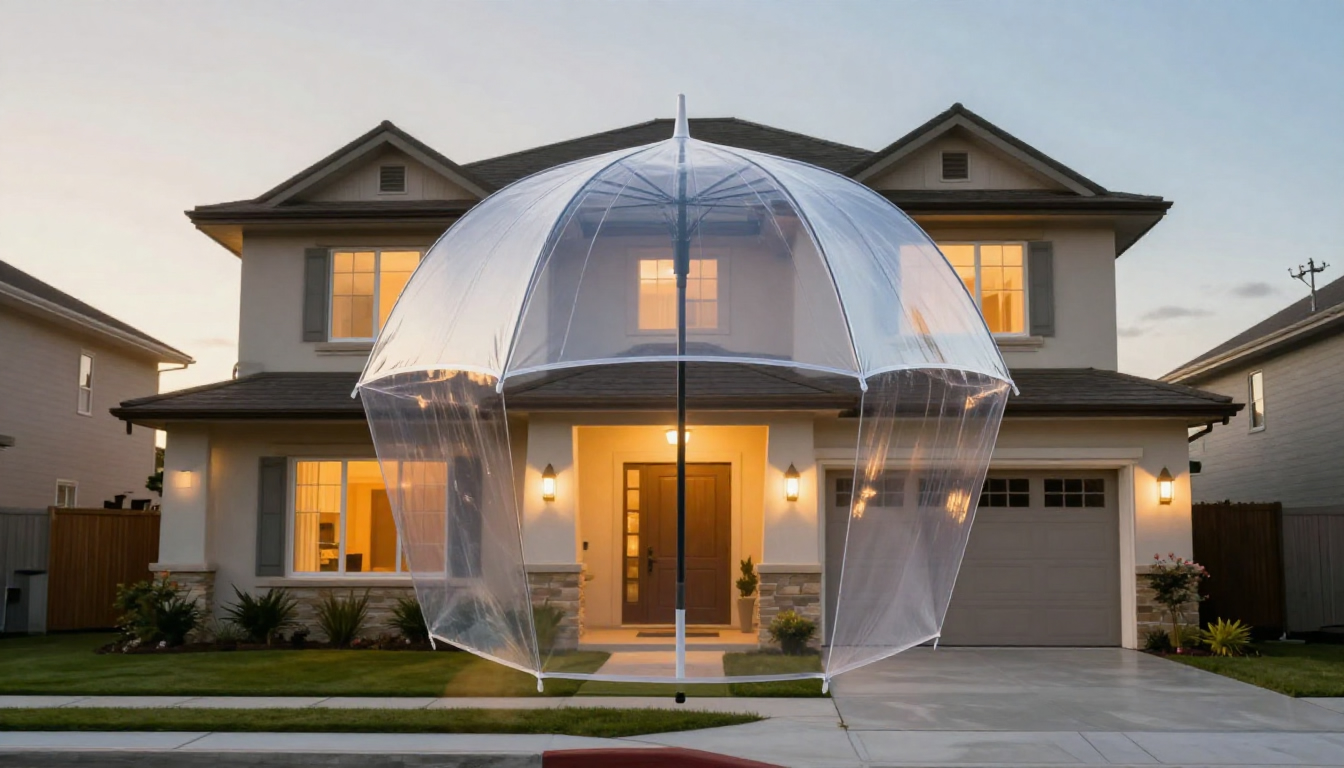
How to Choose the Best Home Insurance for First-Time Buyers
How to choose the best home insurance for first-time buyers
Introduction
Buying your first home is one of the most exciting and significant financial decisions you’ll make in your life. However, this milestone also comes with important responsibilities, including protecting your investment with the right home insurance. For first-time homebuyers, navigating the world of home insurance can feel overwhelming, with countless policies, coverage options, and providers to compare. Understanding what you need and how to evaluate different insurance plans is crucial to ensuring your property is adequately protected while avoiding unnecessary expenses. This guide will walk you through the essential steps to choosing the best home insurance policy tailored to your specific needs and circumstances, helping you make an informed decision that gives you peace of mind.
Understanding the types of home insurance coverage
Before you can choose the best home insurance policy, you need to understand what types of coverage are available. Home insurance policies typically consist of several distinct coverage components, each protecting different aspects of your home and belongings. Getting familiar with these categories will help you determine which coverage levels are appropriate for your situation.
Dwelling coverage is the foundation of any homeowners insurance policy. This component protects the structure of your home itself, including the walls, roof, built-in appliances, and permanent fixtures. If your home is damaged by a covered peril such as fire, theft, or severe weather, dwelling coverage pays for repairs or rebuilding. Most lenders require you to have dwelling coverage at least equal to your home’s replacement cost, which is the amount needed to rebuild your home from scratch using current construction costs and materials.
Personal property coverage protects your belongings inside the home, such as furniture, electronics, clothing, and other items you own. This coverage typically pays 50 to 70 percent of your dwelling coverage limit, though you can purchase additional coverage if needed. It’s important to note that personal property coverage has certain limits for specific items, such as jewelry, art, or collectibles, so you may need to add extra protection for valuable items.
Liability coverage protects you financially if someone is injured on your property or if you accidentally damage someone else’s property. If a guest slips and falls in your home, or if a tree from your yard damages a neighbor’s fence, liability coverage can help pay for medical bills, legal fees, or property damage claims. Standard liability coverage typically starts at around 100,000 dollars, but many experts recommend higher limits, especially if you have significant assets.
Medical payments coverage is different from liability coverage in that it pays medical expenses for injuries that occur on your property, regardless of fault. If a visitor gets injured in your home, this coverage can pay up to a certain limit without requiring you to prove you were responsible for the injury.
Additional living expenses coverage becomes crucial if your home becomes uninhabitable due to a covered loss. This coverage pays for temporary housing, meals, and other necessary expenses while your home is being repaired or rebuilt. Without this coverage, you would bear these costs out of pocket during what could already be a financially challenging time.
Assessing your home’s specific needs and risk factors
Once you understand the available coverage options, you need to evaluate your specific situation to determine what level of protection makes sense for your home. Several factors will influence the type and amount of coverage you need, and taking time to honestly assess these factors will help you avoid both under-insurance and unnecessary overspending.
Home location and regional risks play a major role in determining your insurance needs. If you live in an area prone to hurricanes, tornadoes, earthquakes, or flooding, you may need additional coverage beyond a standard homeowners policy. For instance, earthquake insurance and flood insurance are typically sold as separate policies and are not included in standard homeowners insurance. Understanding the natural disaster risks specific to your region is essential. You can research historical data for your area through the National Weather Service or your state’s insurance commissioner’s office to understand what hazards are most prevalent.
Your home’s age and condition significantly affect both the cost and type of coverage you’ll need. Older homes may have outdated electrical systems, plumbing, or roofing that increases the risk of damage. Insurance companies often charge higher premiums for older homes or may require you to make certain repairs before providing coverage. If your home is relatively new and well-maintained, you may qualify for better rates and more comprehensive coverage options.
The replacement cost of your home is critical information you need to determine appropriate dwelling coverage limits. This is different from what you paid for the home or its market value. Replacement cost refers to how much it would cost to rebuild your home using current labor and materials. To calculate this, you can hire a professional appraiser, use online replacement cost calculators, or consult with a local contractor. Most insurance companies will conduct their own assessment, but having an independent estimate helps ensure you’re not underinsured.
Your personal property inventory should be considered when choosing personal property coverage limits. If you own valuable furniture, art, electronics, or jewelry, you’ll need to ensure your coverage limits are sufficient. Many first-time homebuyers underestimate the value of their belongings. Taking time to create a detailed home inventory, including photographs and receipts, helps you understand the total value of your possessions and ensure adequate coverage.
Additionally, consider your financial situation and risk tolerance. Your deductible choice directly affects your premium. A higher deductible (perhaps 1,000 or 2,500 dollars) means lower monthly premiums but higher out-of-pocket costs if you file a claim. Conversely, a lower deductible (250 or 500 dollars) means higher premiums but less financial burden if you need to make a claim. Choose a deductible level you could comfortably afford to pay.
Comparing insurance providers and getting accurate quotes
With a clear understanding of your coverage needs, the next step is to research and compare different insurance providers. This process requires patience and attention to detail, as premium prices and coverage options can vary significantly between companies, even for identical coverage levels.
Researching insurance companies should start with understanding their reputation and financial stability. The National Association of Insurance Commissioners provides a database where you can check complaint histories for various insurers. Additionally, websites like JD Power, Consumer Reports, and the Better Business Bureau offer ratings and reviews based on customer satisfaction and claims handling. A company with low premiums isn’t a good deal if they have a history of slow claims processing or poor customer service.
When gathering quotes, make sure you’re comparing apples to apples. Contact at least three to five different companies and provide them with identical information about your home, coverage needs, and personal details. Use the same coverage limits and deductibles across all quotes so you can accurately compare prices. Most insurance companies offer free quotes through their websites, and many allow you to start the quote process online and complete it over the phone or in person.
| Insurance Company | Dwelling Coverage | Liability Coverage | Deductible | Annual Premium | Customer Satisfaction Rating |
|---|---|---|---|---|---|
| Company A | 300,000 dollars | 300,000 dollars | 500 dollars | 1,200 dollars | 4.5/5 |
| Company B | 300,000 dollars | 300,000 dollars | 500 dollars | 1,050 dollars | 4.2/5 |
| Company C | 300,000 dollars | 300,000 dollars | 500 dollars | 1,350 dollars | 4.8/5 |
| Company D | 300,000 dollars | 300,000 dollars | 500 dollars | 1,100 dollars | 3.9/5 |
During the quoting process, ask about available discounts. Many insurance companies offer discounts for bundling home and auto insurance, installing safety features like smoke detectors or security systems, maintaining a good credit score, completing a homebuyer safety course, or being a member of certain professional organizations. Some companies also offer discounts for claims-free years or if you’re a loyal customer. These discounts can reduce your premium by 10 to 30 percent, so it’s worth asking each company what incentives they offer.
Be thorough when reviewing what’s covered and excluded in each policy. Read the fine print carefully to understand exactly what perils are covered. Some policies offer named-peril coverage (covering only specific listed hazards) while others offer open-peril coverage (covering all hazards except those specifically excluded). Open-peril coverage is generally more comprehensive and valuable, though it may cost slightly more. Pay special attention to exclusions that might apply to your situation, such as limitations on water damage from flooding or backing up of sewers.
Making your final decision and securing your policy
After evaluating multiple quotes and comparing coverage options, you’re ready to make your final decision. This process involves weighing the premium costs against the coverage quality and considering how different policies align with your priorities and budget.
Balancing cost and coverage is where many first-time homebuyers struggle. While price is important, choosing the absolute cheapest policy isn’t always the best financial decision. Consider the total value proposition: a slightly more expensive policy from a highly-rated company with excellent claims service may be worth the additional cost. Think about this as a long-term relationship. You’ll likely keep your homeowners insurance for many years, and when you need to file a claim, you’ll be very glad you chose a reliable, well-established company.
Before finalizing your purchase, conduct a final policy review. Carefully read through the entire policy document, not just the summary. Make sure all information about your home is accurate, including its age, square footage, construction type, and features. Verify that the coverage limits you selected match what you intended and that the deductible is correct. If anything seems unclear or incorrect, contact the insurance company immediately to clarify or make adjustments.
Consider also whether you want to purchase additional specialized coverage. Depending on your situation, you might need separate policies for flood insurance, earthquake insurance, or umbrella liability coverage. Flood insurance, in particular, is critical if your home is in or near a flood-prone area, but it must be purchased as a separate policy and typically has a 30-day waiting period before coverage begins. Don’t wait until a storm is approaching to purchase this protection.
Finally, ensure your policy is in place before closing on your home. Your lender will require proof of homeowners insurance before they’ll release the mortgage funds. Obtain a binder or declaration page from your insurance company confirming that coverage is active, and provide this to your lender and real estate agent well before your closing date.
Conclusion
Selecting the right home insurance as a first-time buyer requires understanding the various types of coverage available, honestly assessing your specific needs and risk factors, and carefully comparing policies from multiple providers. By taking time to research coverage options, get accurate quotes using consistent terms, and thoroughly review policy details before purchase, you can find insurance that adequately protects your home and belongings while fitting your budget. Remember that home insurance is not a one-time purchase; you should review your policy annually and after major life changes or home improvements to ensure it continues to meet your needs. A good insurance policy provides more than just financial protection; it offers peace of mind knowing that your investment is secure. Take the lessons from this guide, ask questions when you’re unsure, and don’t hesitate to shop around multiple times in the future. Your future self will appreciate the careful attention you paid to this important decision today.

news via inbox
Nulla turp dis cursus. Integer liberos euismod pretium faucibua

