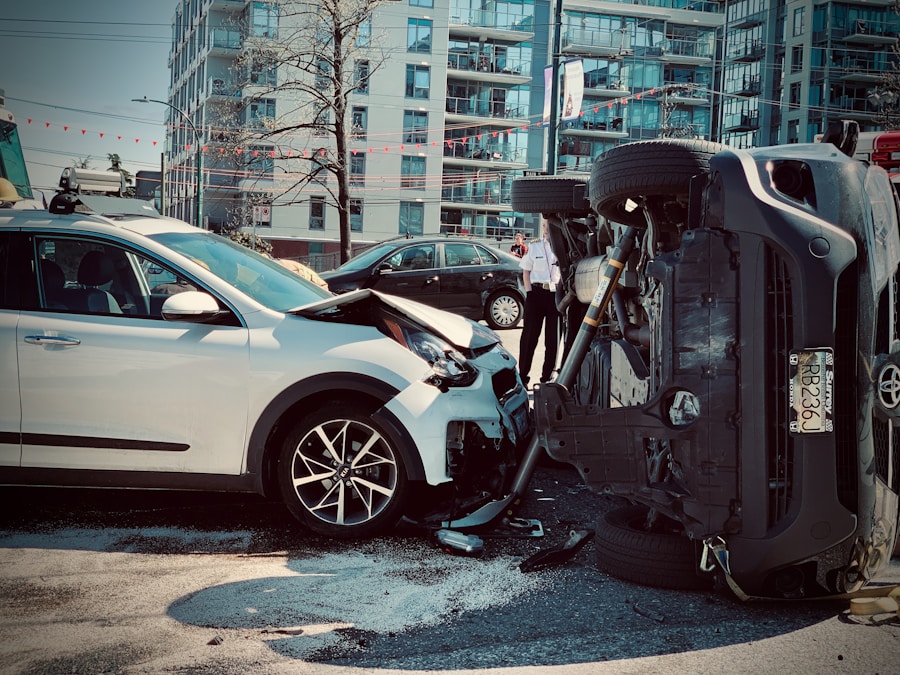
The Importance of Auto Liability Insurance: Protecting Yourself and Others
The Importance of Auto Liability Insurance: Protecting Yourself and Others
Auto liability insurance is a fundamental aspect of responsible vehicle ownership. It serves as a critical financial safeguard, not only for the policyholder but also for the individuals and property that might be affected by an accident. Understanding its role and coverage is essential for navigating the complexities of the road and ensuring legal compliance and personal security. This insurance policy functions as a shield, absorbing the financial shockwaves of unforeseen events. Without it, the consequences of an at-fault accident could be financially ruinous, impacting your savings, assets, and even future earning potential.
Understanding the Core Function of Liability Coverage
At its heart, auto liability insurance is designed to cover damages and injuries that you, as the driver, cause to others. It is not about covering damage to your own vehicle or your own injuries; that falls under different types of coverage, such as collision or comprehensive insurance, and personal injury protection (PIP) or medical payments coverage, respectively. Liability insurance is about taking responsibility for the harm your vehicle might inflict on others. Think of it as a promise to the community that if your actions on the road lead to damage or injury, you have a mechanism in place to address those consequences.
Bodily Injury Liability: Covering Medical Expenses and Lost Wages
Bodily injury liability coverage is a cornerstone of any auto insurance policy. Should you be found at fault for an accident that results in injuries to another person, this coverage steps in to pay for their medical bills. This can include a wide range of expenses, from emergency room visits and ambulance rides to surgeries, hospital stays, physical therapy, and ongoing medical care. It’s a crucial component because medical costs can escalate rapidly, and without this insurance, you could be personally responsible for thousands, if not tens of thousands, of dollars in medical expenses for those injured.
The Scope of Bodily Injury Coverage
Beyond immediate medical treatment, bodily injury liability also covers other financial impacts on the injured party. This includes:
- Lost Wages: If the injured individual is unable to work due to their injuries, this coverage can compensate them for the income they lose. This ensures that they can still meet their financial obligations while recovering.
- Pain and Suffering: In many jurisdictions, liability insurance can also extend to cover non-economic damages such as pain and suffering. This acknowledges the emotional and physical distress an accident can cause. The determination of pain and suffering damages can be complex and often involves negotiation or legal proceedings.
- Legal Defense: If you are sued as a result of an accident, your liability insurance policy typically includes legal defense costs. This means your insurance company will cover the expenses of hiring attorneys to represent you, even if the lawsuit ultimately goes to trial. This protection is invaluable, as legal fees can be substantial.
Property Damage Liability: Repairing or Replacing Damaged Property
In addition to covering injuries, auto liability insurance also addresses damage to property. If your vehicle strikes another vehicle, a building, a fence, or any other type of property, property damage liability coverage will pay for the cost of repairs or, if the property is damaged beyond repair, its replacement value. This component of liability insurance is just as vital as bodily injury coverage, as the cost of repairing vehicles and other property can be significant.
Examples of Property Damage Claims
A property damage liability claim could arise from a variety of scenarios. Common examples include:
- Vehicle-to-Vehicle Collisions: This is perhaps the most frequent scenario. If you rear-end another car, the property damage liability portion of your insurance will cover the cost to repair the other driver’s vehicle.
- Accidents Involving Stationary Objects: If you lose control of your vehicle and collide with a parked car, a lamppost, a utility pole, or even a building, property damage liability will cover the costs associated with those damages.
- Damage to Fences and Landscaping: In some cases, accidents can extend beyond vehicles to include damage to private property like fences, gardens, or landscaping. Liability insurance can cover these repair costs as well.
Legal Requirements and Minimum Coverage Limits
In almost every jurisdiction, auto liability insurance is not optional; it is a legal mandate. Governments recognize the inherent risks associated with driving and have instituted minimum coverage requirements to protect the public. These minimums are designed to ensure that at least a certain level of financial responsibility is in place should an accident occur. Failing to meet these requirements can result in significant penalties.
State-Mandated Minimums: A Baseline of Protection
Each state sets its own minimum liability coverage limits. These are often expressed as a series of numbers, such as 25/50/25. This format typically breaks down as follows:
- First Number (e.g., 25): Represents the maximum amount your insurance company will pay for bodily injury to one person in an accident you cause. This is usually in thousands of dollars, so 25 means $25,000.
- Second Number (e.g., 50): Represents the maximum amount your insurance company will pay for bodily injury to all people injured in a single accident you cause. In this example, $50,000.
- Third Number (e.g., 25): Represents the maximum amount your insurance company will pay for property damage in a single accident you cause. In this example, $25,000.
It is crucial to be aware of your state’s specific minimum requirements. Driving with less than the legally mandated coverage can lead to severe consequences.
Penalties for Driving Without or With Insufficient Liability Coverage
Driving without the legally required auto liability insurance can have a cascade of negative outcomes. These often include:
- Fines: Financial penalties are almost always imposed, and these can range from a few hundred dollars to several thousand, depending on the jurisdiction and whether it’s a first offense or a repeat offense.
- License Suspension: Your driver’s license may be suspended for a period, impacting your ability to commute to work, school, or other essential activities. This can feel like having your freedom to travel arbitrarily restricted.
- Vehicle Impoundment: In some cases, your vehicle can be impounded until you can provide proof of insurance and pay impoundment fees.
- SR-22 Requirement: You may be required to obtain an SR-22 filing from your insurance company. This is a certificate of financial responsibility that your insurance company files with the state, proving you have the required insurance. This often leads to higher insurance premiums for a period.
- Personal Liability for Damages: Perhaps the most significant consequence is that if you cause an accident without insurance, you will be personally responsible for all damages and injuries. This means you could be sued, and your assets – including your home, savings, and even future wages – could be at risk to satisfy the judgment.
Beyond Minimums: The Case for Higher Coverage Limits
While meeting the legal minimums might seem sufficient, it is often advisable to carry liability coverage that exceeds these basic requirements. The costs associated with serious accidents can easily surpass the state-mandated limits, leaving you exposed to significant personal financial risk. Think of minimum coverage as a thin umbrella in a hurricane; it offers some protection, but it’s unlikely to keep you dry.
The Risk of Underinsuring Yourself
Accidents can happen to anyone, and their severity is unpredictable. A seemingly minor fender-bender can sometimes escalate into a situation involving serious injuries or extensive property damage. If the costs of an accident exceed your liability limits, the difference becomes your personal financial responsibility. This could mean:
- Dipping into Your Savings: Your emergency fund or long-term savings could be depleted to cover the excess costs.
- Taking Out Loans: You might need to secure loans with high interest rates to pay for damages.
- Facing Wage Garnishment: If a judgment is entered against you, your employer could be ordered to withhold a portion of your wages until the debt is paid.
- Losing Assets: In extreme cases, you could be forced to sell assets, such as property or investments, to satisfy a court-ordered judgment.
Factors to Consider When Choosing Higher Limits
Several factors should influence your decision regarding liability coverage limits. These include:
- Your Assets: The greater your net worth (the value of your assets minus your debts), the more you have to lose in the event of a lawsuit. If you own a home or have significant savings, higher liability limits provide greater protection for these assets.
- Your Income: If you have a high earning potential, the potential for future wage garnishment is greater, making higher liability limits a prudent choice.
- Your Risk Tolerance: Some individuals are naturally more risk-averse and prefer to pay a higher premium for greater peace of mind.
- The Cost of Additional Coverage: Often, the cost increase for significantly higher liability limits is relatively modest compared to the potential financial exposure. Your insurance agent can provide quotes to illustrate this.
Understanding the Components of a Liability Policy
A standard auto liability policy delineates coverage into specific categories. Recognizing these segments helps you understand what your insurance will and will not cover. It’s like understanding the different rooms in a house; each serves a specific purpose.
Bodily Injury Liability (Per Person/Per Accident)
As previously discussed, this coverage is split into two components: the maximum payout per person injured and the maximum payout per accident for all bodily injuries combined. Understanding these limits is crucial to avoid being underinsured, especially if you frequently drive with passengers or in areas prone to higher-speed accidents.
Property Damage Liability (Per Accident)
This component covers the cost of damage to the property of others. It’s important to ensure this limit is sufficient to cover the potential cost of repairing or replacing multiple vehicles or significant property damage to structures.
Additional Coverages That Complement Liability Insurance
While liability insurance is the non-negotiable foundation, other types of auto insurance coverage can provide a more comprehensive safety net. These are not mandatory in all states, but they offer valuable protection.
Collision Coverage: Protecting Your Own Vehicle
Collision coverage pays for repairs to your own vehicle if it is damaged in a collision with another vehicle or object, or if it overturns. This coverage is typically subject to a deductible, which is the amount you pay out-of-pocket before the insurance company begins to pay.
When Collision Coverage is Recommended
Collision coverage is particularly recommended if:
- Your vehicle is relatively new or has a high market value. The cost of repairing or replacing such a vehicle could be substantial.
- You lease or finance your vehicle. Lenders and leasing companies often require you to carry collision coverage to protect their investment.
- You cannot afford to repair or replace your vehicle out-of-pocket. If an accident would leave you without transportation and unable to afford repairs, collision coverage provides a crucial safety net.
Comprehensive Coverage: Beyond Collisions
Comprehensive coverage, sometimes called “other than collision” coverage, pays for damage to your vehicle from events other than collisions. This can include theft, vandalism, fire, natural disasters (like hail or floods), and hitting an animal. Like collision coverage, it typically has a deductible.
Examples of Comprehensive Claims
Situations covered by comprehensive insurance are diverse. They include:
- Theft: If your car is stolen, comprehensive coverage will help replace it or pay for its recovery costs.
- Vandalism: If your vehicle is intentionally damaged, such as having its tires slashed or windows broken, this coverage will step in.
- Natural Disasters: Damage from hailstorms, floods, or fallen trees are common comprehensive claims.
- Animal Strikes: Colliding with a deer or other animal on the road is usually covered by comprehensive insurance.
Uninsured/Underinsured Motorist (UM/UIM) Coverage: Protection When Others Fail
This is a vital coverage that protects you if you are involved in an accident with a driver who has no insurance (uninsured) or not enough insurance (underinsured) to cover your damages. UM/UIM coverage essentially steps into the shoes of the at-fault driver’s insurance policy and covers your bodily injuries and, in some states, property damage.
The Importance of UM/UIM
Given the number of drivers who may not carry adequate insurance, UM/UIM coverage acts as a crucial buffer. It ensures that you are not left to bear the financial burden of an accident caused by someone else’s negligence and lack of insurance. It’s like having a backup safety net when the primary one is frayed or nonexistent.
Making Informed Decisions About Your Auto Insurance
Choosing the right auto liability insurance policy involves more than simply selecting the cheapest option. It requires a thoughtful assessment of your individual needs and circumstances. By understanding the various components and considering the potential risks, you can make informed decisions that provide adequate protection for yourself and others on the road.
Assessing Your Personal Risk Profile
Your personal risk profile is a mosaic of factors that influence how likely you are to be involved in an accident and the potential severity of such an event. Consider:
- Your driving habits: Do you commute long distances? Do you drive in heavy traffic or in areas with high accident rates?
- Your vehicle: The type of vehicle you drive can influence repair costs and safety ratings.
- Your personal circumstances: As mentioned, your assets and income play a significant role in determining how much protection you need.
Seeking Professional Guidance
Insurance agents and brokers can be invaluable resources. They can explain policy details, compare quotes from different insurance companies, and help you tailor a policy to your specific needs. Don’t hesitate to ask questions and seek clarification on any aspect of your coverage.
Regularly Reviewing Your Policy
Your insurance needs can change over time. Life events such as purchasing a new vehicle, moving to a new location, or experiencing a change in income may necessitate a review and adjustment of your auto insurance policy. It is advisable to review your coverage at least once a year, or whenever significant life changes occur.
FAQs
What is auto liability insurance?
Auto liability insurance is a type of car insurance that helps cover the costs of injuries or property damage that you may cause to others while driving. It is typically required by law in most states.
Why is auto liability insurance important?
Auto liability insurance is important because it helps protect you from financial responsibility if you are at fault in an accident. Without it, you could be personally liable for the costs of medical bills, vehicle repairs, and legal fees.
What does auto liability insurance cover?
Auto liability insurance typically covers bodily injury and property damage that you may cause to others in a car accident. It may also provide coverage for legal defense costs if you are sued as a result of the accident.
How much auto liability insurance do I need?
The amount of auto liability insurance you need varies by state, but it is generally recommended to have enough coverage to protect your assets in the event of a serious accident. It’s important to consider your personal financial situation and the potential costs of an accident when determining your coverage limits.
What happens if I don’t have auto liability insurance?
If you don’t have auto liability insurance and are at fault in an accident, you could be personally responsible for paying for the other party’s medical bills, vehicle repairs, and legal fees. Additionally, you may face fines, license suspension, and other legal consequences for driving without insurance.

news via inbox
Nulla turp dis cursus. Integer liberos euismod pretium faucibua