
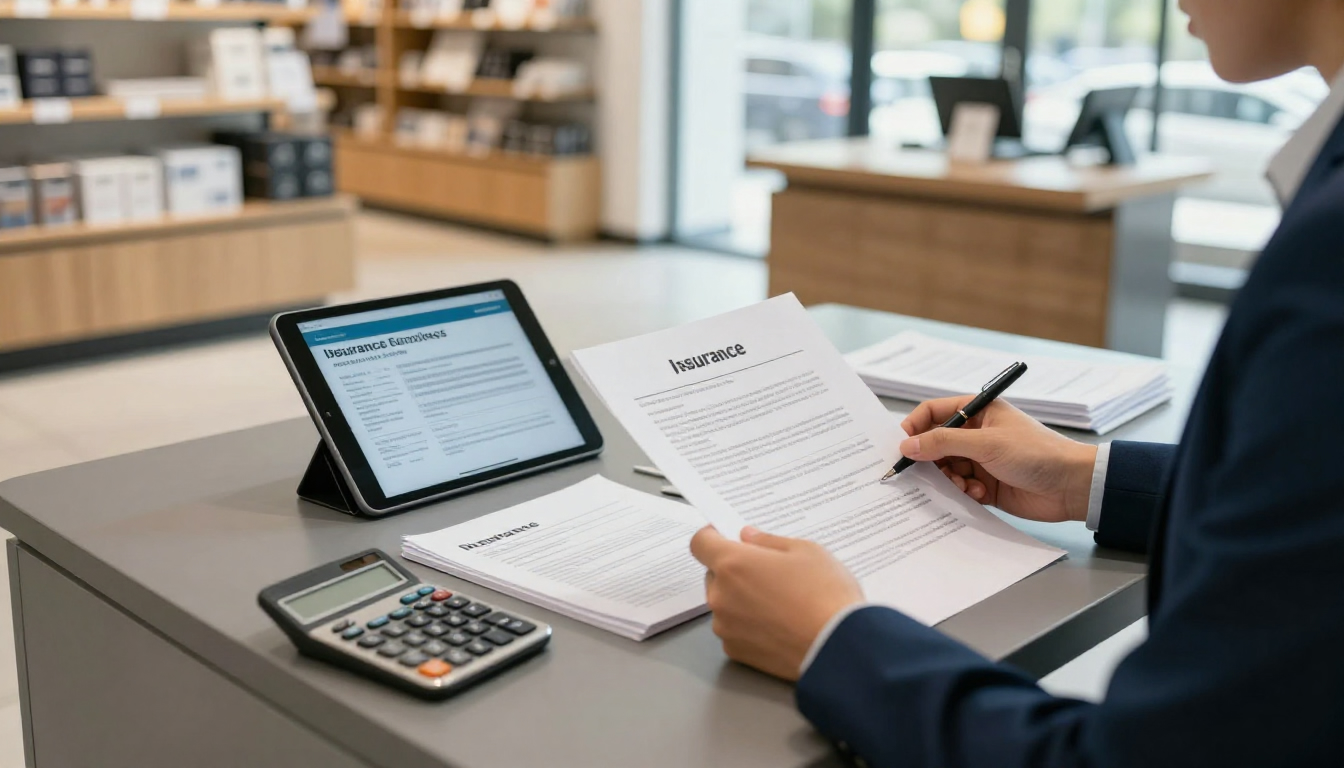
How to Choose the Right Commercial Insurance for Your Retail Store
How to choose the right commercial insurance for your retail store
Introduction
Running a retail store comes with countless responsibilities, and protecting your business from unexpected losses should be at the top of your priority list. Commercial insurance is not just a legal requirement in many cases, it’s a critical investment in your store’s longevity and financial stability. Whether you operate a small boutique, a grocery store, or a large department retailer, the right insurance coverage can mean the difference between recovering from a disaster and facing bankruptcy. This guide will help you navigate the complex world of commercial insurance and understand what types of coverage your retail business actually needs. We’ll explore the different insurance policies available, how to assess your specific risks, evaluate insurance providers, and make an informed decision that aligns with your budget and business needs.
Understanding the types of commercial insurance for retail
The world of commercial insurance can seem overwhelming at first glance, but understanding the basic categories will help you make sense of what’s available. Different types of coverage serve different purposes, and most retail stores need a combination of policies to be adequately protected.
General liability insurance is typically the foundation of any retail business’s insurance portfolio. This coverage protects you if a customer is injured on your premises or if your business operations accidentally damage someone’s property. For example, if a customer slips on a wet floor in your store and requires medical attention, general liability insurance covers their medical expenses and any resulting lawsuits.
Property insurance protects the physical assets of your retail store. This includes your building (if you own it), inventory, equipment, fixtures, and furnishings. If a fire, theft, or natural disaster damages these assets, property insurance helps cover the replacement or repair costs. Many landlords require tenants to carry property insurance as a condition of the lease.
Product liability insurance is essential if you sell physical products. This coverage protects you if someone is injured or becomes ill because of a product you sold. For instance, if a food retailer sells contaminated products that cause customer illness, product liability insurance would cover medical expenses and legal fees.
Workers’ compensation insurance is mandatory in most states if you have employees. This coverage provides medical benefits and wage replacement to employees who are injured or become ill due to their work. It also protects you from lawsuits filed by injured employees.
Commercial auto insurance is necessary if your retail business owns or uses vehicles for business purposes. This covers liability and damage to vehicles used for deliveries, supply runs, or other business activities.
Cyber liability insurance has become increasingly important in recent years. As retailers collect customer payment information and personal data, this coverage protects you against data breaches, hacking, and the costs associated with notifying customers and addressing security issues.
Assessing your retail store’s specific risk factors
Not all retail stores face the same risks, so your insurance needs will depend on several factors specific to your business. Taking time to properly assess your risks ensures you’re not overpaying for unnecessary coverage while still maintaining adequate protection.
Start by considering the size and location of your store. A store in a high-crime area faces different risks than one in a quiet suburban neighborhood. Similarly, a large store with heavy foot traffic has higher accident and liability risks than a small specialty shop. The age and condition of your building also matter. Older buildings may require additional coverage for structural issues, outdated electrical systems, or plumbing problems.
Your inventory type and value significantly impact your insurance needs. A jewelry store faces much higher theft and robbery risks than a bookstore. If you stock high-value items, you’ll need adequate property insurance coverage and possibly additional theft protection. Perishable goods require coverage for spoilage, which isn’t typically included in standard property policies.
Consider your number of employees and their roles. Stores with many employees face greater workers’ compensation exposure. If your employees work with heavy machinery, handle hazardous materials, or interact extensively with customers, your risk profile increases. The nature of your products also matters significantly. Restaurants and grocery stores selling food products face different liability risks than clothing retailers. Products that could cause injury, such as power tools or chemicals, require careful consideration.
Your sales channels also influence your insurance needs. If you operate both a physical store and an online business, you’ll need coverage for both channels. E-commerce brings additional cybersecurity risks that brick-and-mortar stores don’t face.
Here’s a quick risk assessment checklist:
- Store location and neighborhood crime rates
- Building age and condition
- Customer traffic volume
- Number and type of employees
- Product types and values
- Cash handling procedures
- Equipment and machinery used
- Delivery and shipping practices
- Online sales presence
- Customer data collection and storage
Evaluating coverage limits and deductibles
Once you understand what types of coverage you need, the next decision involves determining appropriate coverage limits and deductibles. These choices directly impact both your premium costs and your financial protection, so they deserve careful consideration.
Coverage limits represent the maximum amount an insurance company will pay for a claim. Setting limits too low leaves your business underprotected, while setting them too high means you’re paying unnecessary premiums. The right limit depends on your business’s financial situation and risk profile.
For general liability, many small retailers choose limits between $300,000 and $1,000,000. However, if you operate a larger store with high customer traffic, you might consider the higher end or even $2,000,000. For property insurance, your coverage should reflect the total replacement value of your building, inventory, and equipment. Work with your insurance agent to conduct a thorough inventory assessment.
Workers’ compensation limits are typically determined by state minimums, but you should verify these requirements for your specific location. Medical expense limits usually range from $100,000 to $500,000, while wage replacement benefits are typically based on your payroll costs.
Deductibles are the amounts you pay out of pocket before your insurance kicks in. Higher deductibles result in lower premiums, but they also mean more out-of-pocket costs when claims occur. A common approach is choosing a deductible you can comfortably afford without straining your cash flow during a crisis.
Many retail stores choose deductibles between $500 and $2,500 for property coverage. For liability coverage, deductibles might range from $500 to $1,000. The key is balancing affordability with realistic financial capacity. If a $5,000 deductible would severely impact your business after a claim, choose something lower even if it means higher premiums.
Consider this comparison table for typical small retail stores:
| Coverage type | Conservative limits | Moderate limits | Comprehensive limits |
|---|---|---|---|
| General liability | $300,000 | $1,000,000 | $2,000,000 |
| Property insurance | Replacement value of assets | Replacement value plus 20% buffer | Replacement value plus 30% buffer |
| Product liability | $500,000 | $1,000,000 | $2,000,000 |
| Typical deductible | $2,500 | $1,000 | $500 |
Selecting an insurance provider and making your decision
Choosing an insurance company is just as important as choosing coverage types. The right provider should offer competitive rates, strong customer service, financial stability, and a genuine understanding of retail business needs.
Start by researching multiple insurers. Many companies specialize in commercial retail insurance and understand your industry’s specific challenges. Request quotes from at least three providers, ensuring you’re comparing the same coverage limits and deductibles across all quotes. Don’t automatically choose the cheapest option; the lowest price might reflect inadequate coverage or poor customer service.
Evaluate each insurer based on several criteria. Financial stability is crucial since an insurer must be able to pay claims when needed. Check ratings from A.M. Best or Standard & Poor’s to ensure the company is financially sound. Customer service reputation matters enormously when you have a claim. Read online reviews, check complaint ratios with your state’s insurance department, and ask the agent how they handle claims.
Look for insurers offering bundled policies, which can significantly reduce your overall costs. Many companies offer discounts when you purchase multiple policies from them, such as combining general liability, property, and workers’ compensation into one package.
Ask about discounts and risk management programs. Many insurers offer discounts for having security systems, fire alarms, or implementing employee safety training programs. Some provide free risk assessments to help you identify potential problems. These programs not only reduce your premiums but also genuinely improve your business’s safety.
Communication and support should be straightforward. Your insurance agent should be accessible, responsive to questions, and willing to review your coverage annually as your business grows or changes. They should proactively suggest adjustments when necessary, not just wait for renewal time.
Consider whether you prefer working with an independent agent or a direct insurer. Independent agents represent multiple insurance companies and can shop around on your behalf. Direct insurers have their own products but may offer more streamlined service and potentially lower costs due to cutting out the middleman.
Before finalizing your decision, review the policy documents carefully. Make sure the coverage you purchased matches what was quoted. Look for any exclusions that might surprise you later. Ask your agent to explain anything you don’t understand completely.
Conclusion
Choosing the right commercial insurance for your retail store requires balancing multiple factors, but the effort is well worth the investment in your business’s future. You’ve learned that commercial insurance extends far beyond basic liability coverage. It encompasses property protection, workers’ compensation, product liability, cyber security, and numerous other specialized coverages tailored to retail operations. The key to making the right choice lies in thoroughly assessing your unique risks, understanding what different policies cover, and selecting appropriate limits that protect your assets without excessive overpayment. Remember that insurance needs evolve as your business grows, so plan to review your coverage annually and make adjustments based on changes in your inventory, employee count, or operations. Take time to gather multiple quotes, investigate insurer reputability, and build a relationship with an agent who understands retail business challenges. Most importantly, view insurance not as an expense to minimize, but as a strategic protection that allows you to focus on growing your retail business with confidence. With comprehensive, well-tailored commercial insurance in place, you can face business uncertainties knowing your store’s future is protected.

news via inbox
Nulla turp dis cursus. Integer liberos euismod pretium faucibua

