
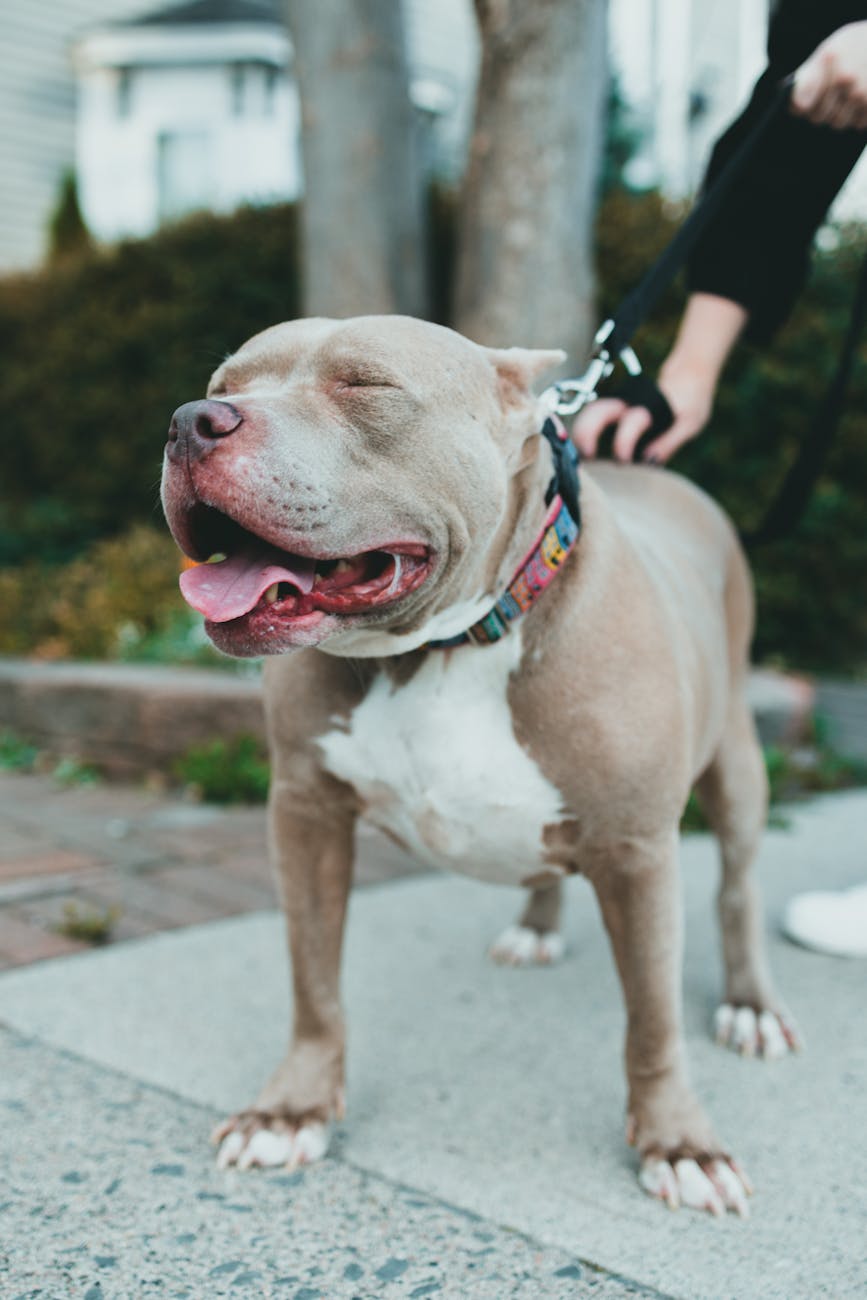
How to Choose the Best Pet Insurance for Your Furry Friends
How to choose the best pet insurance for your furry friends
Choosing the right pet insurance is an essential step toward ensuring your furry friend gets the best possible care without financial strain. With countless plans and providers on the market, it can be overwhelming to determine which coverage fits your pet’s specific needs and your budget. This article will guide you through the key factors you should consider when selecting pet insurance, from understanding different types of coverage to evaluating costs and provider reputations. Whether you have a young energetic puppy or a senior cat with special health concerns, making an informed choice will provide peace of mind for years to come.
Understanding different types of pet insurance coverage
Pet insurance policies can vary significantly in their scope of coverage. Generally, there are three main types:
- Accident-only plans: Cover injuries due to accidents such as fractures or poisoning, but exclude illnesses.
- Accident and illness plans: Include coverage for accidents and a wide range of illnesses, including chronic conditions.
- Comprehensive plans: Extend coverage to routine care like vaccinations, dental cleaning, and preventive treatments along with accidents and illnesses.
Choosing the right type depends largely on your pet’s age, breed, and existing health conditions. For example, breeds prone to hereditary illnesses may benefit more from accident and illness plans, while younger pets might only need accident coverage initially.
Evaluating cost factors and reimbursement methods
When comparing policies, understanding the financial structure is critical. Key cost components include:
- Premiums: The monthly or annual amount you pay for coverage.
- Deductibles: The amount you pay out-of-pocket before insurance pays.
- Reimbursement percentage: The portion of the vet bill the insurer covers after the deductible.
Different plans offer varying combinations of these. For example, a policy might have a low premium but high deductible or vice versa. Additionally, reimbursement methods may be percentage-based (e.g., 80% of eligible expenses) or fixed amount per treatment.
| Plan type | Typical premium | Deductible range | Reimbursement rate | Coverage focus |
|---|---|---|---|---|
| Accident only | Low ($10–$20/month) | $100–$500 | 70%–90% | Injuries only |
| Accident & illness | Medium ($25–$50/month) | $100–$300 | 70%–90% | Injuries + illnesses |
| Comprehensive | High ($40–$70/month) | $50–$200 | 70%–90% | Injuries, illnesses & wellness |
Consider your financial comfort zone and how much risk you are willing to take on with deductibles and reimbursements.
Assessing the provider’s reputation and customer service
No matter how good the coverage sounds on paper, the insurance company’s reliability is equally important. Look for providers with strong customer reviews and established reputations for prompt claim processing. Some insurers offer online portals or apps that simplify submitting claims and tracking reimbursements. Additionally, read the fine print to check for exclusions like hereditary conditions, age limits, or waiting periods that may affect coverage.
Asking other pet owners or your veterinarian for recommendations can provide valuable insights into the best companies to trust with your pet’s health.
Customizing coverage based on your pet’s unique needs
Each pet is different, and insurance should reflect that. Consider these factors:
- Age and breed: Some breeds have predispositions to certain illnesses that need specialized coverage.
- Health history: Existing conditions may require policies with fewer exclusions or higher limits.
- Lifestyle: Active pets may be more accident-prone, while indoor pets might need less extensive plans.
Many insurers provide options to add wellness or preventive care coverages, such as flea treatment or dental checkups, which can save money in the long run. Evaluate if these extras are worth the additional premium based on your pet’s routine care needs.
Conclusion
Choosing the best pet insurance for your furry friend involves balancing coverage needs, costs, and the reliability of the provider. Understanding the types of plans available—whether accident-only, accident and illness, or comprehensive—helps you match insurance to your pet’s health profile. Evaluating premiums, deductibles, and reimbursement rates ensures the plan fits your budget while offering valuable financial protection. It’s crucial to select a reputable insurer known for excellent customer service and straightforward claims processing. Finally, customize your policy considering your pet’s breed, age, health history, and lifestyle to get the most relevant coverage. Taking the time to research and compare will allow you to provide your beloved pet with the best care possible without unexpected expenses standing in the way.
Image by: Jonathan Cooper
https://www.pexels.com/@theshuttervision

news via inbox
Nulla turp dis cursus. Integer liberos euismod pretium faucibua

