
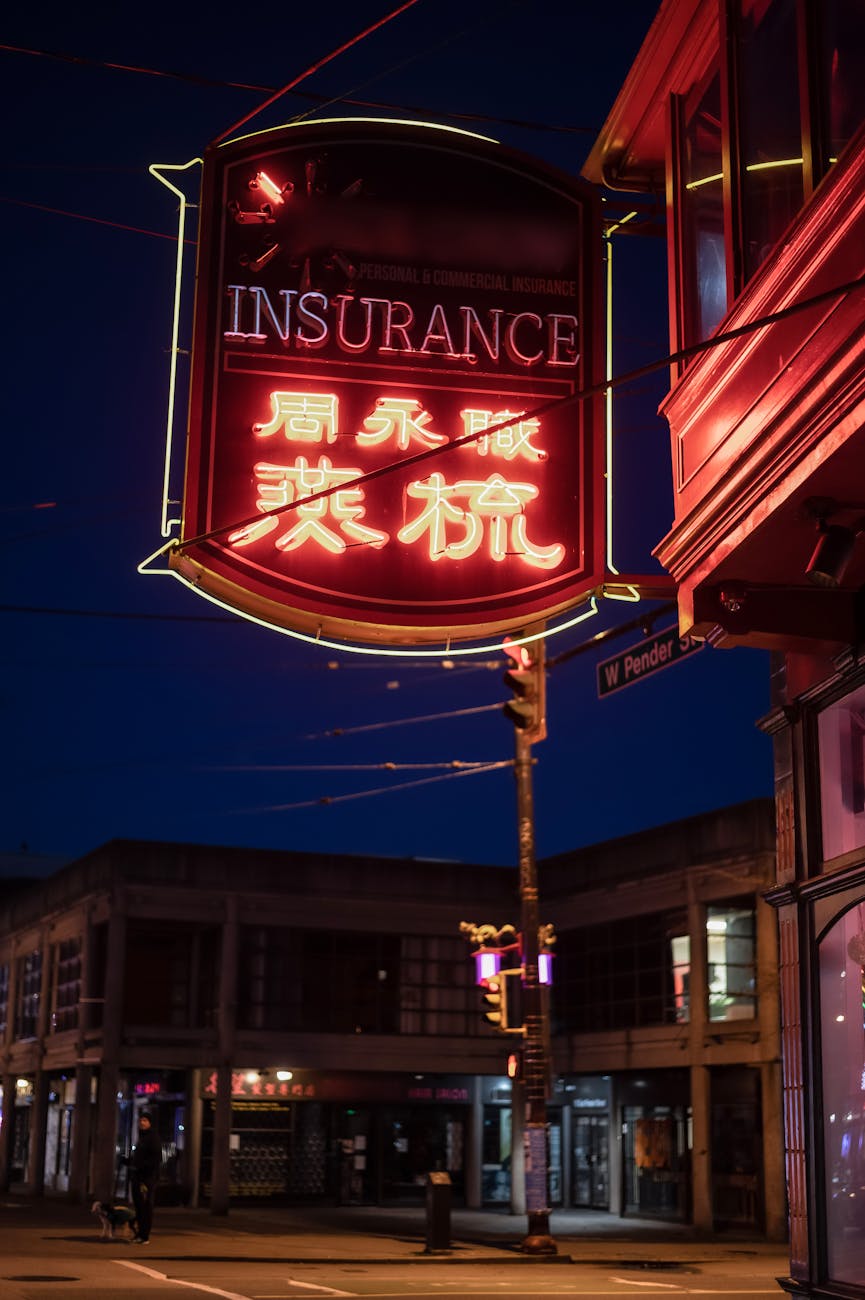
How Commercial Insurance Can Safeguard Your Retail Store’s Future
How commercial insurance can safeguard your retail store’s future
Running a retail store comes with a range of risks that can disrupt operations and threaten your financial stability. From property damage to liability issues, unforeseen events can quickly escalate costs and complications. Commercial insurance offers a safety net, designed specifically to protect your business from these uncertainties and ensure continuity. It not only covers potential losses but also fosters confidence for store owners to focus on growth and customer satisfaction. In this article, we will explore how commercial insurance—from property and liability coverage to business interruption protection—plays a vital role in safeguarding your retail store’s future in an unpredictable marketplace.
Understanding the types of commercial insurance for retail stores
Commercial insurance is not a one-size-fits-all solution. Retailers face a broad spectrum of risks, requiring tailored policies that reflect their unique needs. The most common types of coverage include:
- Property insurance: Covers damage or loss to the physical store, inventory, and equipment caused by events like fire, theft, or natural disasters.
- General liability insurance: Protects against third-party claims of injury or property damage occurring on your premises.
- Business interruption insurance: Compensates for lost income and operating expenses if your store has to close temporarily due to covered incidents.
- Workers’ compensation insurance: Provides medical and wage benefits to employees injured on the job, required in many jurisdictions.
Choosing the right combination of these policies is essential to comprehensively protect your retail business from multiple angles.
Mitigating financial risk through comprehensive protection
Uninsured losses can quickly deplete a retailer’s resources, forcing painful cutbacks or even permanent closure. Commercial insurance functions as a risk management tool to transfer financial exposure to an insurance provider. For example, without property insurance, a fire could wipe out inventory and the building itself, leaving the owner responsible for rebuilding costs. In contrast, having this coverage ensures you receive compensation that helps rebuild and restock, minimizing downtime.
Similarly, general liability insurance shields your store from costly lawsuits stemming from accidents or injuries on your premises. Without it, the fallout from legal fees and settlements could severely damage your reputation and finances.
Supporting business continuity and growth opportunities
Business interruption insurance is critical for maintaining cash flow during unexpected closures caused by insured events. It covers ongoing expenses such as payroll, rent, and utilities, giving you time to recover without sacrificing employees or client relationships.
Moreover, having strong commercial insurance coverage enhances your credibility with lenders and partners. Demonstrating that your risks are managed responsibly can improve your chances of securing loans or attracting investors, paving the way for expansion and innovation.
Adapting insurance coverage as your retail business evolves
Your insurance needs will change as your retail store grows or shifts focus. It’s important to regularly review and update your policies to match your current operations. New product lines, additional locations, or changes in staffing can introduce fresh risks requiring different coverage limits or types.
Partnering with an experienced insurance broker or agent who understands the retail industry can help you stay ahead. They can assess your evolving needs, ensure compliance with regulations, and identify opportunities for cost-effective coverage upgrades.
| Type of insurance | Main coverage | Key benefit |
|---|---|---|
| Property insurance | Physical assets, stock, and equipment | Financial protection against damage and loss |
| General liability | Third-party bodily injury and property damage | Legal and settlement cost coverage |
| Business interruption | Lost income and fixed expenses during closures | Maintains cash flow and employee retention |
| Workers’ compensation | Employee medical and wage benefits | Compliance and employee protection |
Conclusion
Commercial insurance is a fundamental component in securing the future of your retail store. It addresses the spectrum of risks—from physical damages and liability claims to income interruptions and workforce protection. By investing in the right insurance policies, you transfer critical financial risks to insurers, preventing devastating losses that could cripple your business. Moreover, insurance coverage helps ensure business continuity, reinforces your credibility with stakeholders, and supports long-term growth. Retail store owners should view commercial insurance not as an expense but as a strategic investment that enables them to navigate uncertainties confidently and thrive in a competitive market.
Image by: PNW Production
https://www.pexels.com/@pnw-prod

news via inbox
Nulla turp dis cursus. Integer liberos euismod pretium faucibua

