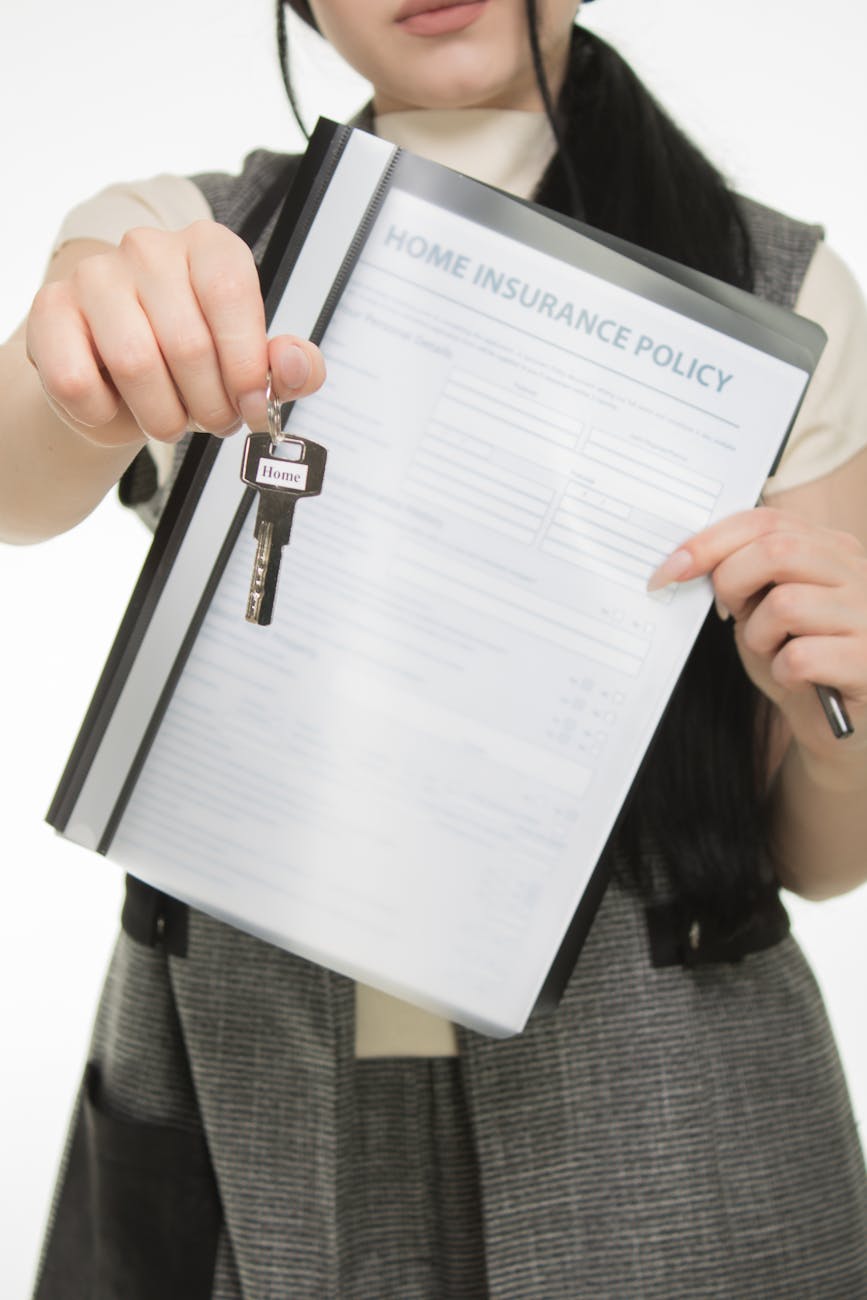
How to Find the Best Renters Insurance for Apartment Living
How to find the best renters insurance for apartment living
Living in an apartment comes with unique challenges—and protecting your belongings with the right renters insurance is essential. Whether you’re a first-time renter or someone looking to switch policies, finding the best renters insurance requires careful consideration of coverage options, costs, and the specific risks associated with apartment living. In this guide, we’ll explore practical steps to help you identify a policy that provides adequate protection without overpaying. From assessing your personal needs to comparing providers and understanding policy terms, these insights will empower you to make an informed choice that safeguards your valuables and gives you peace of mind.
Assess your personal belongings and coverage needs
Before diving into the world of renters insurance, it’s vital to evaluate what exactly you need to protect. Apartments often have limited space but still house valuable items such as electronics, furniture, clothing, and sometimes specialty items like musical instruments or artwork. Make a detailed inventory of your possessions, noting their approximate value. This will help determine the amount of personal property coverage you require.
Additionally, consider whether you need coverage for specific risks such as theft, fire, water damage, or liability protection in case someone is injured in your apartment. Many apartment complexes do not cover tenants’ belongings, so understanding potential gaps in building insurance helps ensure your policy covers what the landlord’s insurance does not.
Compare different providers and coverage options
Once you understand your coverage needs, it’s time to explore insurance providers. Many companies offer renters insurance with varying features, limits, and pricing. Important factors to compare include:
- Premium cost: Find a balance between affordability and sufficient coverage.
- Deductibles: Higher deductibles can reduce premiums but increase out-of-pocket costs during a claim.
- Coverage limits: Make sure personal property limits match or exceed the value of your belongings.
- Additional coverages: Look for options like replacement cost coverage versus actual cash value, and add-ons for high-value items.
- Discounts: Some insurers offer discounts for bundled policies, safety devices, or loyalty.
Using online comparison tools or consulting insurance agents can streamline this process.
Understand policy terms and exclusions
A critical step often overlooked is thoroughly reviewing the policy terms. Not all renters insurance policies cover the same risks, and many have exclusions that could leave you vulnerable. For apartment residents, it’s important to verify coverage for:
- Water damage: Burst pipes inside your unit might be covered, but flooding from outside usually isn’t.
- Theft: Policies may restrict coverage if the theft occurs outside the apartment premises.
- Liability: Coverage for damages or injuries caused to guests or neighbors.
- Temporary living expenses: If your apartment becomes uninhabitable, some policies cover the cost of staying elsewhere.
Ask your insurer to clarify any ambiguous terms, and never hesitate to request a copy of the full policy documents before making a decision.
Use the table below to compare typical renters insurance plans
| Insurance provider | Average annual premium* | Personal property limit | Deductible options | Replacement cost coverage | Liability coverage |
|---|---|---|---|---|---|
| Provider A | $180 | $30,000 – $50,000 | $500 / $1,000 | Available | Up to $100,000 |
| Provider B | $220 | $40,000 – $60,000 | $250 / $500 / $1,000 | Standard | Up to $300,000 |
| Provider C | $150 | $25,000 – $40,000 | $1,000 | Optional add-on | Up to $100,000 |
| Provider D | $200 | $35,000 – $55,000 | $500 / $750 | Replacement cost included | Up to $200,000 |
*Premium costs may vary depending on location and individual factors.
Finalize your choice and keep your policy up to date
After comparing providers and understanding your needs, choose a policy that fits both your budget and coverage requirements. Remember to check if your apartment complex requires proof of renters insurance and if they have any minimum coverage standards. Once you obtain a policy, keep an updated inventory of your belongings and review your coverage annually, especially after major purchases or changes in living arrangements. This ensures your insurance continues to protect you effectively without unnecessary expenses.
Effective renters insurance is a valuable investment in apartment living that goes beyond compliance—it can provide crucial financial protection when unexpected events occur. Taking the time to research and understand your options leads to smarter decisions and greater peace of mind.
Conclusion
Finding the best renters insurance for apartment living involves a combination of self-assessment, market research, and careful review of policy details. By thoroughly evaluating your personal belongings and coverage needs, you can avoid underinsurance or paying for unnecessary protection. Comparing providers side by side allows you to spot the best value, considering factors such as premiums, deductibles, and additional coverage options. Understanding common policy exclusions and clarifying terms ensures you’re not caught off guard by denied claims. Lastly, selecting the right policy and keeping it updated guarantees ongoing protection for you and your belongings. With these strategic steps, you can secure optimal renters insurance tailored to apartment living and enjoy both security and affordability.
Image by: Mikhail Nilov
https://www.pexels.com/@mikhail-nilov

news via inbox
Nulla turp dis cursus. Integer liberos euismod pretium faucibua