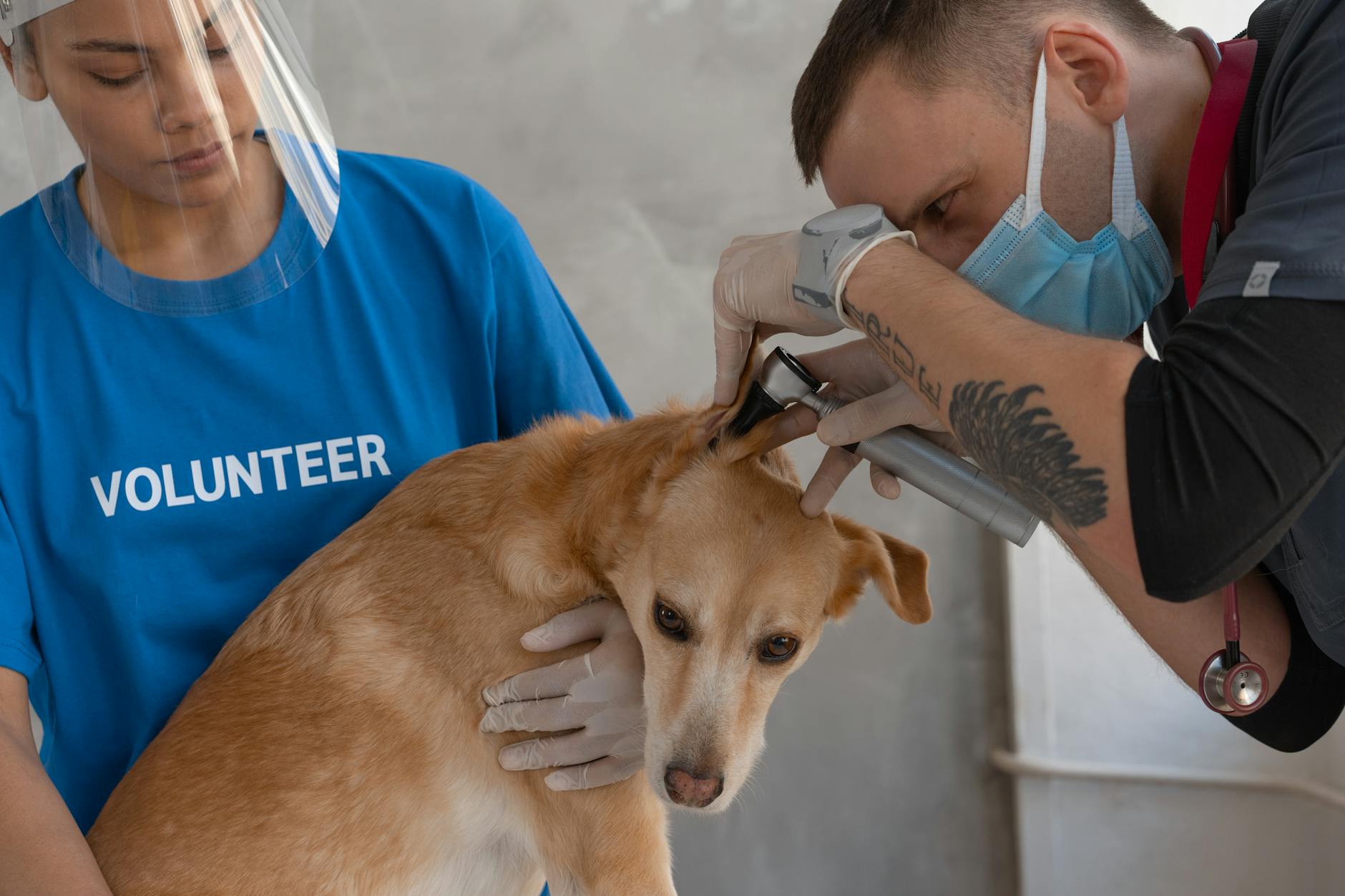
Pet Insurance Insights: Protecting Your Dogs and Cats with the Best Plans
Pet insurance insights: Protecting your dogs and cats with the best plans
When it comes to caring for our beloved pets, unexpected veterinary costs can often cause significant stress. Dogs and cats, like humans, can face sudden illnesses or accidents that require expensive medical treatment. Pet insurance offers a smart solution, providing peace of mind and financial support when your furry family members need it most. Understanding how to choose the right plan, what coverage options are available, and how to balance cost with benefits can be overwhelming. In this article, we will explore key insights into pet insurance, helping you make an informed decision to protect your dogs and cats. From coverage types to common exclusions and tips for claims, you’ll gain a clearer picture of how to safeguard your pets effectively.
Understanding different types of pet insurance plans
Choosing the right pet insurance begins with understanding the different types of coverage available. The most common plans include:
- Accident-only plans: Cover injuries resulting from accidents such as broken bones or ingestion of foreign objects. These plans tend to have lower premiums but limited coverage.
- Accident and illness plans: These are the most popular and comprehensive, covering both unexpected injuries and diseases like cancer, infections, or chronic conditions.
- Wellness or routine care plans: Typically offered as add-ons, they cover regular check-ups, vaccinations, flea and tick prevention, and dental cleanings.
Selecting a plan depends largely on your pet’s age, breed tendencies, and your financial comfort. Dogs and cats with predispositions to hereditary conditions might benefit from comprehensive illness coverage, whereas younger pets might be adequately protected with accident-only insurance initially.
Key factors to consider before purchasing a plan
Beyond plan type, several factors impact whether a policy is the best fit:
- Coverage limits: These can be annual, per condition, or lifetime caps. A higher limit generally means better protection but may increase the premium.
- Deductibles and reimbursement rates: Deductibles are what you pay out-of-pocket before coverage kicks in. Reimbursement rates typically range from 70% to 90%, indicating what percentage of vet bills the insurer pays.
- Pre-existing conditions: Most insurers exclude these, so enrolling your pet early often yields better protection.
- Waiting periods: The time between policy purchase and when coverage starts. This prevents fraud but requires planning.
Understanding these components helps you avoid surprises in the event of claims and ensures the policy aligns with your budget and your pet’s health needs.
Common exclusions and how to manage them
Knowing what pet insurance policies typically exclude is vital to avoid unmet expectations:
- Pre-existing conditions: Illnesses or injuries your pet had before the policy purchase.
- Certain hereditary and congenital conditions: Some insurers exclude breed-specific illnesses or may cover them under specific terms.
- Preventive treatments: Usually only covered if you have a wellness add-on.
- Experimental treatments and some alternative therapies: May not be reimbursed.
To manage exclusions, consider:
- Reviewing policy fine print carefully before signing up.
- Choosing insurers with transparent terms about hereditary conditions.
- Adding wellness coverage if routine care is important to you.
Comparing popular providers and pricing trends
Pet insurance pricing can vary widely depending on pet age, breed, location, and insurer reputation. The table below provides an overview of average annual premiums for accident and illness coverage across typical dog and cat breeds in the US.
| Provider | Average annual premium (dog) | Average annual premium (cat) | Reimbursement rate |
|---|---|---|---|
| Healthy Paws | $600 – $900 | $300 – $500 | 80% – 90% |
| Embrace | $500 – $800 | $250 – $450 | 70% – 90% |
| Trupanion | $700 – $1,000 | $350 – $600 | 90% |
| ASPCA | $400 – $700 | $200 – $400 | 70% – 80% |
While price is important, also weigh factors like customer service, claim turnaround times, and policy customizability. Reading reviews and seeking recommendations from pet communities aids in making a well-rounded choice.
Tips for maximizing pet insurance benefits
Once you have a plan in place, there are strategies to make the most of it:
- Regularly update your policy: Review as your pet ages or health needs change, adjusting coverage accordingly.
- Keep thorough medical records: Comprehensive documentation helps smooth claims processing.
- Ask about multi-pet discounts: Insurers often offer reduced premiums when covering more than one pet.
- Plan for deductibles and co-pays: Set aside funds for out-of-pocket expenses to avoid financial surprises.
By taking a proactive role in managing your pet’s insurance, you ensure that your dog or cat receives timely care without putting undue strain on your finances.
Conclusion
Pet insurance is an invaluable tool for protecting your dogs and cats from unexpected veterinary expenses. Understanding the difference between accident-only, comprehensive illness, and wellness plans allows you to tailor coverage to your pet’s specific needs and your budget. Key factors such as coverage limits, deductibles, and exclusions need careful consideration before committing to a policy. Familiarizing yourself with common exclusions and comparing popular providers can prevent costly surprises later. Finally, thoughtful management of your policy maximizes its benefits over your pet’s lifetime. With these insights, you can confidently select a plan that safeguards your furry companions, offering peace of mind while giving them the best possible care.
Image by: Mikhail Nilov
https://www.pexels.com/@mikhail-nilov

news via inbox
Nulla turp dis cursus. Integer liberos euismod pretium faucibua