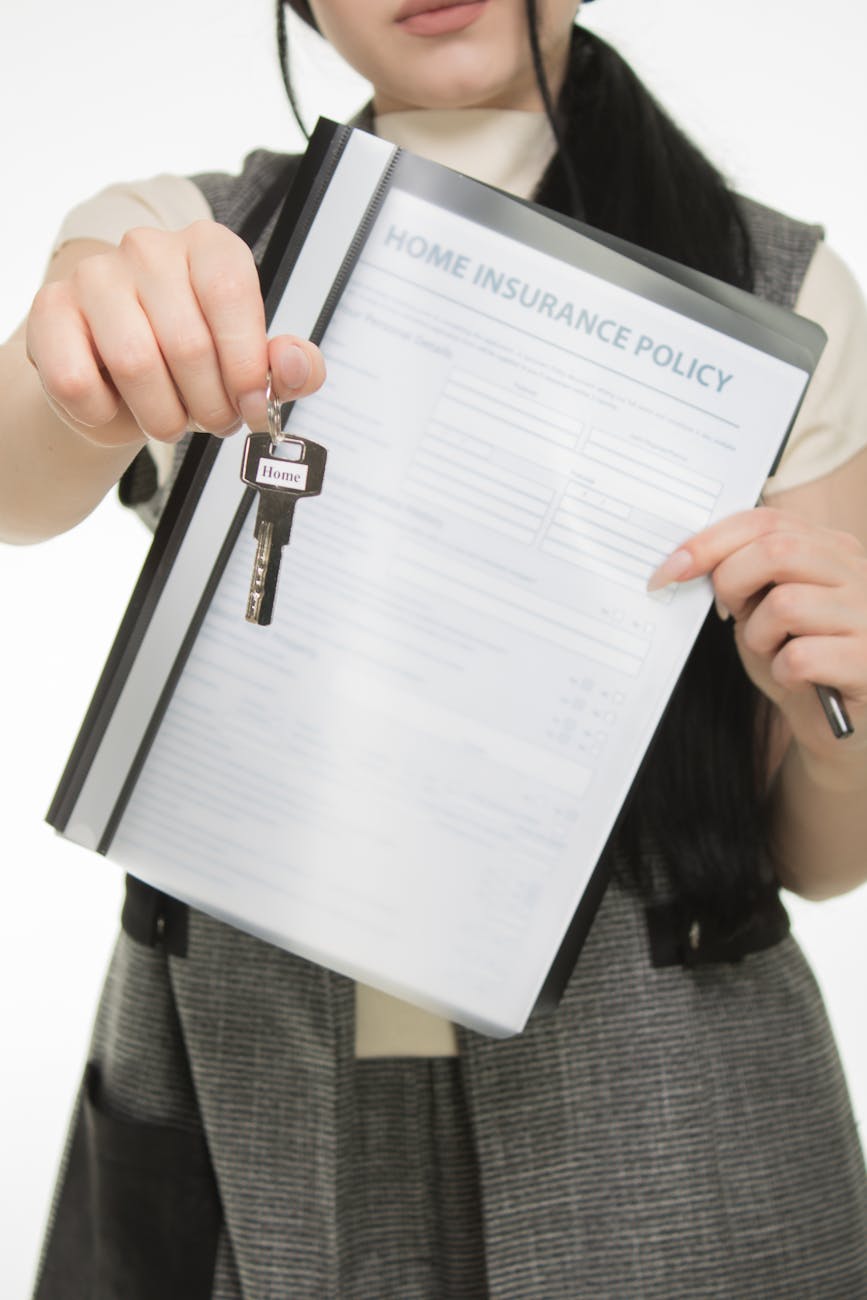
Top 5 Things Your Renters Insurance Should Cover
Renters insurance is an essential safeguard for anyone renting a home or apartment, yet many tenants overlook what their policy should truly cover. Unlike homeowner’s insurance, renters insurance is specifically designed to protect your belongings and provide liability coverage without the added expense of insuring the property itself. However, not all renters insurance policies are created equal. To make sure you have the right protection in place, it’s important to understand the core coverages that should be included. This article will explore the top five things your renters insurance should cover to provide peace of mind and financial security in case of unforeseen events. Whether you’re a first-time renter or renewing your policy, knowing what to look for will help you make an informed decision.
Protection for personal property
The foundation of renters insurance is personal property coverage. This protects your possessions such as furniture, electronics, clothing, and other valuables against damage or loss caused by fire, theft, vandalism, or certain natural disasters. Most policies cover property on a replacement cost or actual cash value basis, which can make a significant difference during a claim. Replacement cost offers the funds to buy new items, whereas cash value deducts depreciation. It’s important to carefully inventory your belongings and estimate their worth to ensure your coverage limits are adequate. Additionally, certain high-value items like jewelry or collectibles may require additional riders or endorsements for full protection.
Liability coverage and medical payments
Beyond personal property, renters insurance should include liability coverage to protect you if someone is injured while on your rental property or if you accidentally cause damage to others’ property. For example, if a visitor slips and falls or you cause water damage that affects a neighbor’s unit, liability coverage can help cover legal fees and damages. Medical payments coverage is also crucial. It can cover minor medical expenses for guests injured on your premises, regardless of fault, helping to quickly resolve situations without litigation. Together, these coverages shield you from financial burdens that could otherwise be overwhelming.
Additional living expenses coverage
If your rented home becomes uninhabitable due to a covered peril such as fire or a natural disaster, additional living expenses (ALE) coverage steps in. ALE pays for costs you incur while displaced, including hotel stays, meals, and other necessary expenses above your normal living costs. This coverage ensures you don’t bear the burden of unexpected temporary housing and related costs out of pocket. Without ALE, renters might face severe financial pressure during a time that is already stressful and disruptive.
Special considerations: natural disasters and theft protection
While many renters insurance policies cover common risks, certain natural disasters like floods or earthquakes often require separate policies or endorsements. Depending on your location, you might want to invest in additional coverage tailored to local risks. Likewise, theft protection is generally included but it’s important to review the policy limits for stolen property claims and any exclusions. If you live in a high-crime area or travel frequently, you may want stronger theft coverage or to increase deductibles for better premiums. Understanding these nuances ensures you aren’t caught unprotected when the unexpected happens.
| Coverage type | What it covers | Importance | Notes |
|---|---|---|---|
| Personal property | Damage or loss of belongings | Essential | Consider replacement cost vs actual cash value |
| Liability coverage | Injury to guests and damage to others’ property | Highly important | Includes legal defense costs |
| Medical payments | Medical expenses for injured guests | Important | Works regardless of fault |
| Additional living expenses | Costs of temporary housing | Critical | Only for covered perils |
| Natural disaster endorsements | Flood, earthquake, etc. | Location dependent | Often requires extra purchase |
To sum up, renters insurance is much more than just a formality when leasing a rental property. Adequate personal property coverage ensures your belongings are protected, while liability insurance shields you from costly lawsuits. Medical payments help cover guest injuries, and additional living expenses relieve financial strain if your home becomes uninhabitable. Finally, understanding the need for additional disaster coverage and theft protection tailored to your circumstances will fill any potential gaps in your policy. By carefully selecting a policy that covers these five key areas, renters can enjoy peace of mind and financial security, allowing them to focus on making their rental house a home.
Image by: Mikhail Nilov
https://www.pexels.com/@mikhail-nilov

news via inbox
Nulla turp dis cursus. Integer liberos euismod pretium faucibua