
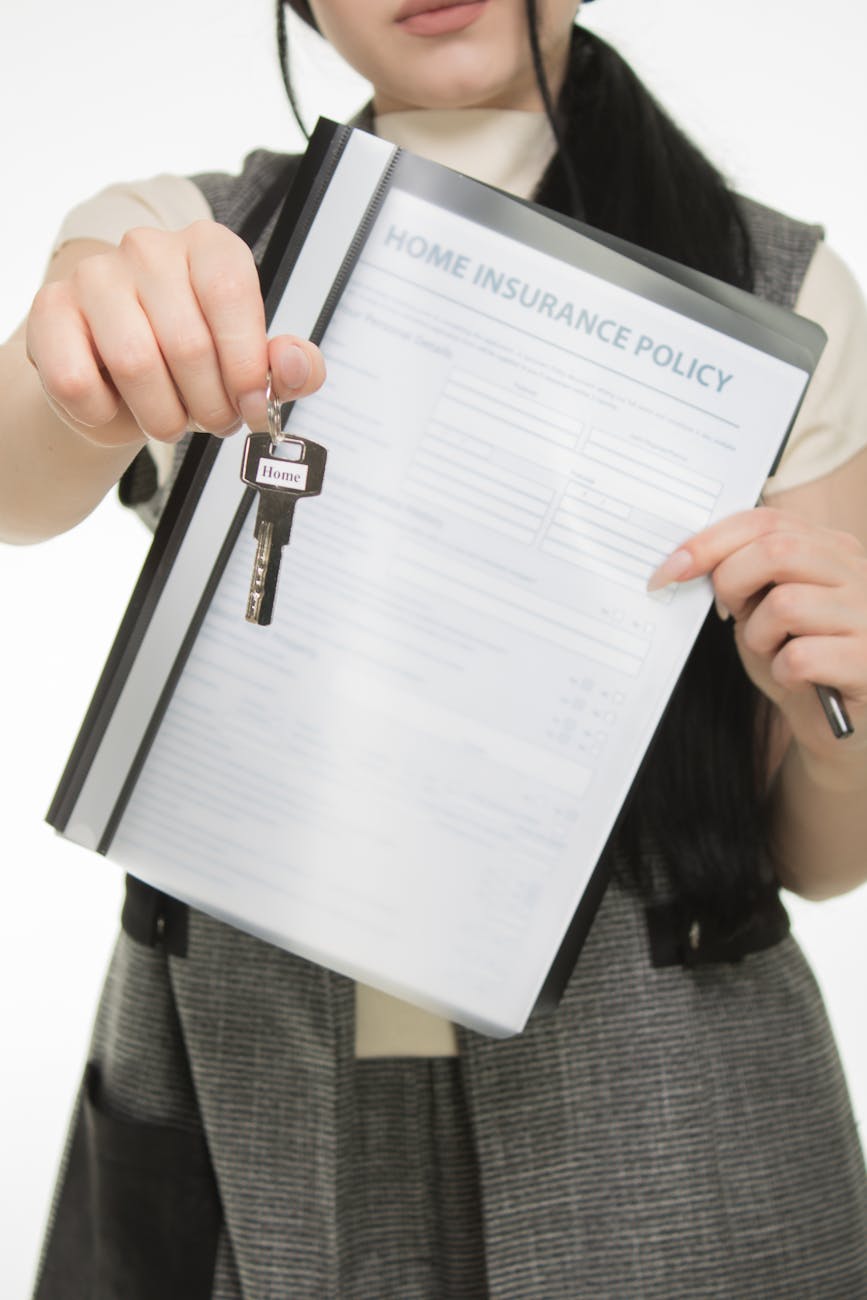
Renters Insurance 101: A Complete Guide for Beginners
Renters insurance 101: a complete guide for beginners
Renters insurance is often overlooked by tenants, yet it plays a vital role in safeguarding personal belongings and providing financial protection against unexpected events. Whether you are moving into your first apartment or renting a house, understanding the basics of renters insurance can save you from significant stress and expense down the line. This guide will walk you through everything you need to know—from what renters insurance covers, how to choose the right policy, to tips on finding affordable rates. By the end, you’ll feel confident about protecting your possessions and liabilities while renting a home, ensuring peace of mind in your living space.
what renters insurance covers
Renters insurance primarily offers two types of protection: coverage for your personal belongings and liability protection. Your policy typically protects against theft, fire, vandalism, and certain natural disasters. This means if your laptop, furniture, or clothing are damaged or stolen, your insurance can help cover the replacement costs.
Additionally, renters insurance includes liability coverage, which protects you if someone is injured while at your residence or if you accidentally cause damage to another person’s property. For example, if a guest slips and falls in your apartment, the insurance can cover medical expenses or legal fees.
Most policies also offer loss of use coverage, which assists with temporary living expenses if your rental becomes uninhabitable due to a covered event. This can include hotel bills and meals during the displacement period.
how to determine how much coverage you need
Choosing the right amount of coverage depends on the value of your personal belongings and your financial situation. Begin by conducting a thorough inventory of your possessions. Consider taking photos or videos and noting the purchase price or estimated value of items like electronics, clothing, furniture, and jewelry.
Here’s a quick example of how coverage amounts might break down:
| Item category | Estimated value |
|---|---|
| Electronics | $4,000 |
| Furniture | $3,500 |
| Clothing | $2,000 |
| Jewelry and valuables | $1,000 |
After totaling your inventory, look for a policy that provides personal property coverage at or above that amount. Keep in mind some items might have coverage limits, especially high-value possessions, so you may need additional endorsements or riders.
factors that affect renters insurance cost
Your renters insurance premium is influenced by multiple factors. Location is a critical one—areas prone to natural disasters or with higher crime rates usually have higher premiums. The security features of your rental can impact costs as well; properties with smoke detectors, burglar alarms, or deadbolt locks often qualify for discounts.
Other influencing elements include:
- Coverage limits: Higher coverage equals higher premiums
- Deductible amount: Choosing a higher deductible typically lowers your premium
- Your claims history: Frequent past claims can raise your costs
- Credit score: Insurers may use credit scores as a factor in pricing
Shopping around and comparing quotes from multiple providers helps identify the best balance of cost and coverage for your needs.
tips for buying and maintaining renters insurance
When purchasing renters insurance, review the policy details carefully to understand what is and isn’t covered. Ask about exclusions for specific disasters like floods or earthquakes, as these often require separate policies.
Here are some tips to maximize your renters insurance value:
- Bundle renters and auto insurance if you have both; companies often provide discounts.
- Keep your inventory updated regularly, particularly after purchasing costly items.
- Report claims promptly to avoid delays in reimbursement.
- Review your coverage annually to ensure it aligns with changes in your possessions or living situation.
Proactively managing your renters insurance helps maintain adequate protection and can save money over time.
conclusion
Renters insurance is an essential tool for anyone renting a home, providing protection against financial losses from stolen or damaged belongings and liability claims. Understanding the scope of coverage, calculating the right amount of protection, and knowing the factors influencing cost can make choosing a policy less overwhelming. Additionally, regularly updating your insurance and comparing providers ensures you have the best possible coverage at a competitive price. By investing in renters insurance, you safeguard your possessions and your peace of mind, which is invaluable in today’s unpredictable world. Don’t wait for an unfortunate event to realize the importance of this coverage—start exploring policies tailored to your needs today.
Image by: Mikhail Nilov
https://www.pexels.com/@mikhail-nilov

news via inbox
Nulla turp dis cursus. Integer liberos euismod pretium faucibua

