
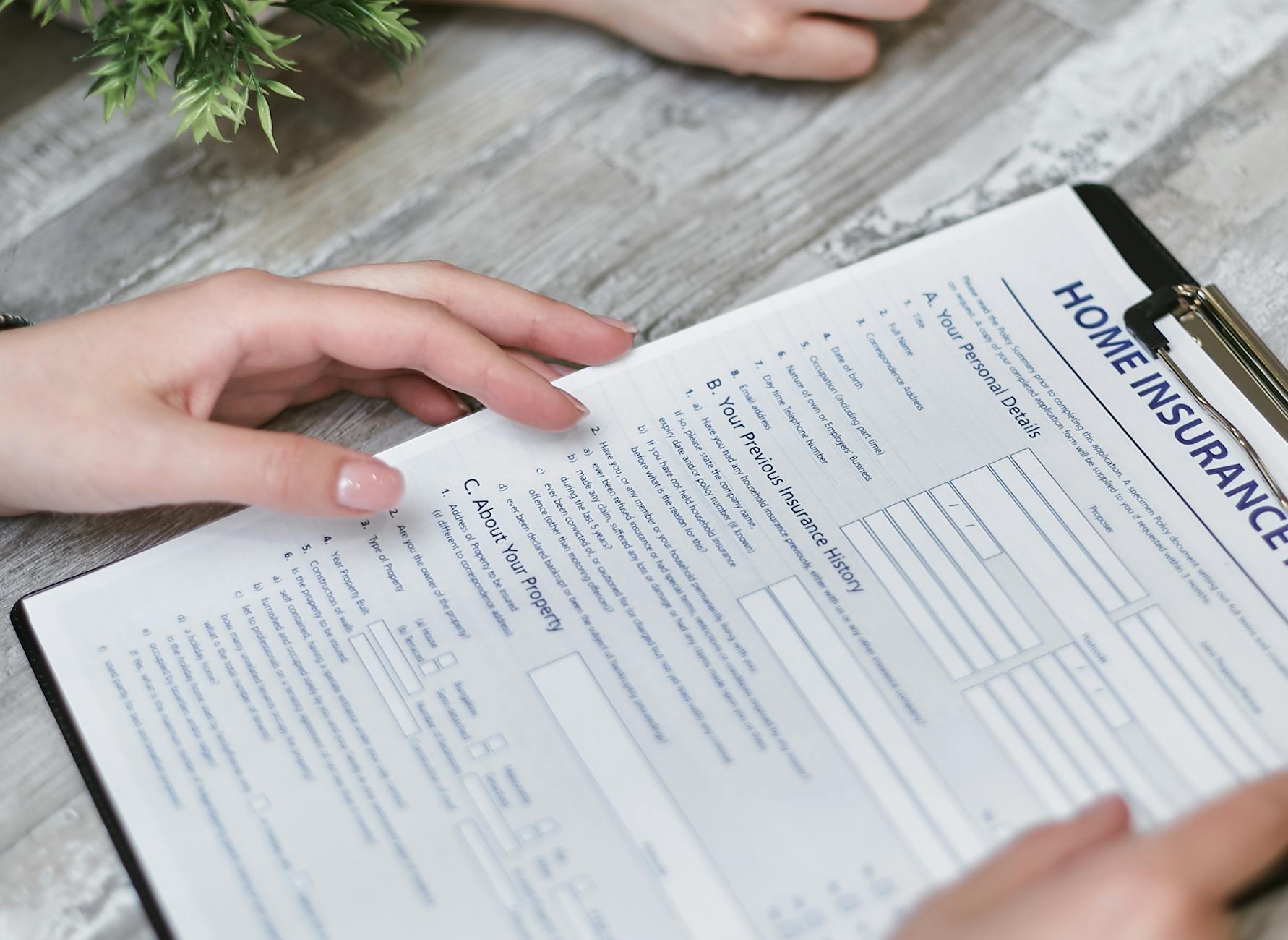
How New Homeowners Can Navigate the Complexities of Home Insurance
How new homeowners can navigate the complexities of home insurance
Purchasing a new home is an exciting milestone, but it also brings important responsibilities–one of the most crucial being securing appropriate home insurance. For many first-time homeowners, understanding the nuances of home insurance policies can feel overwhelming. From choosing the right coverage to interpreting policy terms and knowing how to file claims, there’s a lot to consider. This article will guide new homeowners through the essential aspects of home insurance, helping them make informed decisions that protect their most valuable investment. By breaking down complex topics into manageable parts, you’ll gain clear insight into selecting the right policy, assessing coverage needs, and avoiding common pitfalls that can lead to underinsurance or surprises down the line.
Understanding the basics of home insurance
Home insurance, also known as homeowners insurance, is a policy that protects your property and possessions against risks like fire, theft, natural disasters, and liability claims. Typically, a standard home insurance policy includes several key coverages:
- Dwelling coverage: protects the physical structure of your home.
- Personal property coverage: covers your belongings inside the home.
- Liability protection: safeguards you if someone is injured on your property or if you cause damage to another person’s property.
- Additional living expenses (ALE): covers costs if you have to live elsewhere due to damage.
Understanding these components is foundational. Policies can vary widely in what they include or exclude, so reviewing what each term covers is critical from the start.
Assessing your coverage needs
Every home and homeowner has unique needs, so blanket policies aren’t always the best fit. Begin by evaluating the replacement cost of your home, not its market value. Replacement cost is what it would cost to rebuild your home with similar materials and craftsmanship. This figure is essential for adequate dwelling coverage.
Next, consider the value of your belongings. Taking inventory of major possessions such as electronics, furniture, jewelry, and artwork helps determine personal property coverage limits. For high-value items, you might need additional endorsements or scheduled personal property coverage.
Finally, evaluate your liability exposure. For example, if you frequently host guests or have a pool, higher liability limits could be necessary to protect against lawsuits.
Choosing the right policy and insurer
With your coverage needs outlined, it’s time to explore policy types and insurance providers. Common policy forms include:
| Policy type | Coverage scope | Best suited for |
|---|---|---|
| HO-3 (Special Form) | Dwelling covered against all risks except exclusions; personal property covered on a named-peril basis. | Most homeowners wanting broad protection. |
| HO-5 (Comprehensive Form) | Both dwelling and personal property covered against all risks unless specifically excluded. | Owners seeking highest level of protection for possessions. |
| HO-8 (Modified Coverage) | Provides broad coverage but pays claims based on actual cash value instead of replacement cost. | Homes with unique or historic features. |
Compare multiple insurers based on their financial strength, claim satisfaction ratings, discounts, and customer service. Obtaining several quotes and reading policy fine print will help ensure you get the best value.
Managing your policy and preparing for claims
Once insured, regularly review your policy to keep coverage updated with improvements or changes to your property. Keep documentation such as photos, receipts, and appraisals organized to expedite claims if needed. Knowing the claims process beforehand–who to contact, necessary forms, and timelines–can significantly reduce stress during emergencies.
Also, consider installing safety features like smoke detectors, security systems, and storm shutters. Many insurers offer discounts for such measures, rewarding proactive risk management.
Conclusion
Navigating home insurance as a new homeowner involves understanding the core components of coverage, assessing personalized needs accurately, and selecting policies tailored to those requirements. Equally important is choosing a reputable insurer and remaining proactive in policy management to ensure ongoing protection. By approaching home insurance with a clear grasp of dwelling and personal property coverage, liability protection, and claims preparedness, homeowners can avoid costly gaps and enjoy peace of mind. Taking the time to research, compare policies, and document your possessions thoroughly will pay off in the long run, safeguarding your investment against unforeseen events and giving you confidence in your new home’s security.
Image by: Mikhail Nilov
https://www.pexels.com/@mikhail-nilov

news via inbox
Nulla turp dis cursus. Integer liberos euismod pretium faucibua

