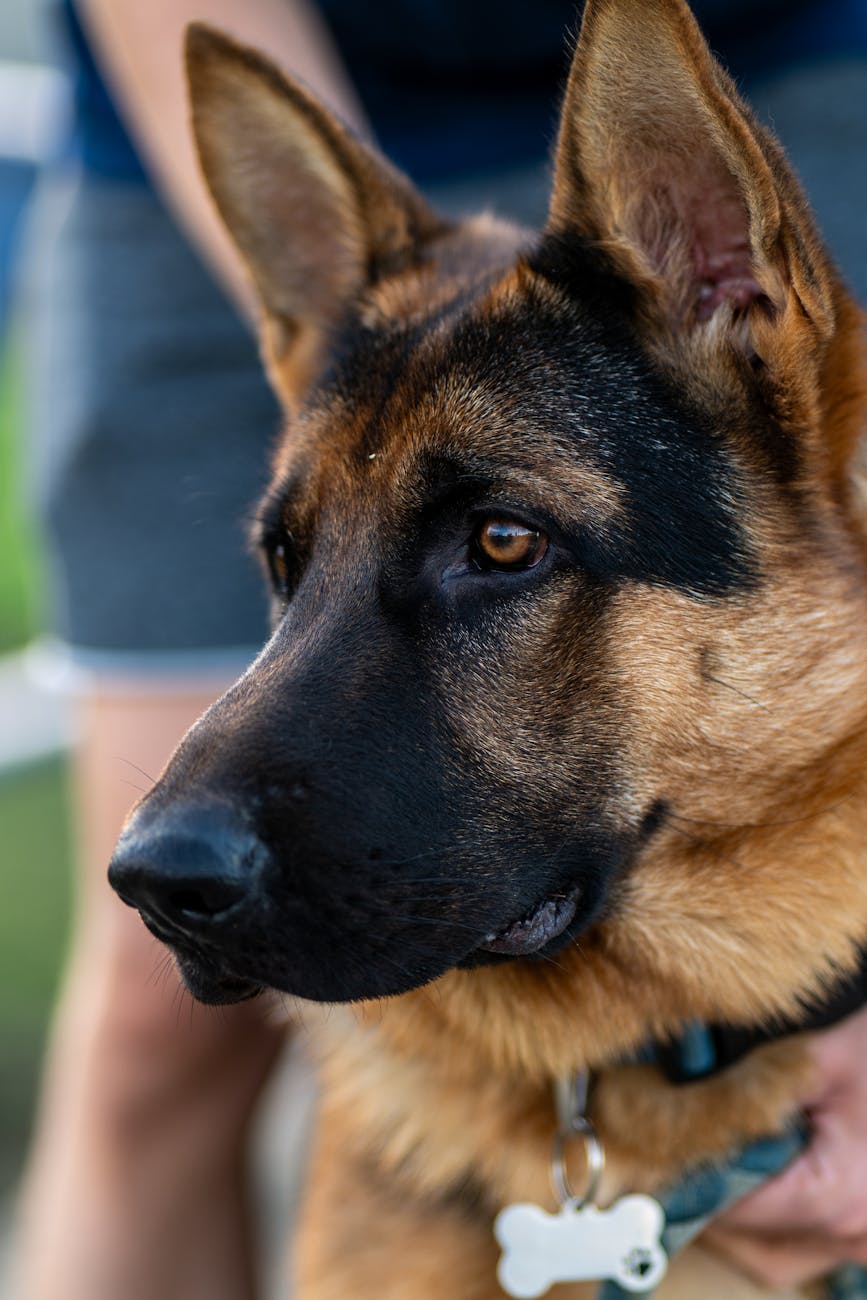
Pet Insurance Insights: Protecting Your Dogs and Cats with the Best Plans
Pet Insurance Insights: Protecting Your Dogs and Cats with the Best Plans
Choosing the right insurance plan for your pets is a critical step in ensuring their health and well-being. Whether you share your life with a playful dog or a curious cat, unexpected medical expenses can quickly add up. Pet insurance offers peace of mind by covering veterinary bills related to accidents, illnesses, and sometimes routine care. However, with a multitude of plans available, it can be overwhelming to determine which best suits your furry friend’s needs. This article explores essential aspects of pet insurance, guiding you through coverage options, key considerations, and tips for selecting a plan that provides comprehensive protection without breaking the bank.
Understanding the basics of pet insurance
Pet insurance policies typically fall into three main categories: accident-only, accident and illness, and wellness plans. Accident-only plans cover injuries arising from unforeseen events like fractures or poisonings but exclude illnesses. A combined accident and illness plan is the most popular choice, offering broader coverage including diseases such as cancer or infections. Wellness plans focus on regular check-ups, vaccinations, and preventive care, usually as an add-on rather than standalone coverage.
When choosing a policy, it’s important to understand these differences and evaluate what fits your pet’s lifestyle and medical history. For example, an active dog that spends a lot of time outdoors may benefit more from accident coverage, while older pets might need more comprehensive illness coverage.
Key factors to evaluate before purchasing
Knowing what to look for in a policy helps maximize value and protection. Consider the following:
- Coverage limits: Annual, per-condition, and lifetime payout limits influence how much you will be reimbursed. Higher limits tend to cost more but provide better financial protection.
- Deductibles: Policies can have annual or per-incident deductibles. Per-incident deductibles might lead to paying more out-of-pocket if your pet experiences multiple health issues.
- Reimbursement rates: Insurance companies usually reimburse between 70% to 90% of eligible veterinary bills. Choose a rate aligned with your budget and how much you want to be reimbursed.
- Exclusions: Many plans exclude pre-existing conditions, hereditary diseases, or specific treatments. Always read the fine print.
- Waiting periods: These are time intervals before coverage begins, varying by condition type. Shorter waiting periods are preferable.
Comparing popular pet insurance plans
To illustrate differences in cost and coverage, here is a comparison of three leading providers for dogs and cats:
| Provider | Monthly premium (dog) | Monthly premium (cat) | Reimbursement rate | Annual limit | Coverage type |
|---|---|---|---|---|---|
| HealthyPaws | $45 | $30 | 90% | Unlimited | Accident & illness |
| Trupanion | $50 | $35 | 90% | Unlimited | Accident & illness |
| Nationwide | $40 | $28 | 70% | $10,000 | Accident, illness & wellness |
Each provider offers unique benefits and varying levels of coverage. Unlimited annual limits are particularly valuable for chronic conditions that require ongoing treatment.
Tips to get the most from your pet insurance
Maximizing the benefits of pet insurance goes beyond selecting a plan. Here are practical tips:
- Enroll early: Policies are more affordable and provide better coverage when pets are younger and healthy.
- Keep detailed vet records: Accurate records help with faster claim processing and prove absence of pre-existing conditions.
- Understand claim procedures: Some insurers reimburse directly to vets while others require upfront payment and reimbursement.
- Review annually: As your pet ages or their health needs change, reassess your coverage to prevent gaps.
Conclusion
Pet insurance is an invaluable tool to provide security against unforeseen veterinary expenses and maintain your pet’s health throughout their lifetime. By understanding the differences in coverage types, evaluating important policy details like limits, deductibles, and exclusions, and comparing reputable providers, you can find a plan tailored to your pet’s specific needs. Early enrollment and ongoing management of the policy ensure you receive the best possible protection. Remember, investing in pet insurance not only cushions you financially but also guarantees prompt access to quality care that keeps your dogs and cats happy and healthy for years to come.
Image by: Vladimir Srajber
https://www.pexels.com/@vladimirsrajber

news via inbox
Nulla turp dis cursus. Integer liberos euismod pretium faucibua