Pet Insurance Insights: Coverage Options for Dogs, Cats, and Exotic Pets
Pet Insurance Insights: Coverage Options for Dogs, Cats, and Exotic Pets
Choosing the right pet insurance can feel overwhelming given the many options available. Whether you have a playful dog, a curious cat, or a less common exotic pet, understanding the variety of coverage options is essential to protect your furry or scaly friend from unexpected medical expenses. This article explores the key elements of pet insurance, highlighting differences in policies tailored for dogs, cats, and exotic pets. Knowing what types of treatments and conditions are covered, as well as the exclusions, can guide pet owners in making informed decisions. As veterinary care becomes increasingly advanced and costly, insured pets have better chances of receiving timely care without financial strain. Let’s explore various coverage plans and how they align with your pet’s unique health needs.
Understanding coverage options for dogs
Dog insurance plans are typically the most comprehensive and varied due to the high demand and frequency of veterinary visits. Coverage usually includes:
- Accidents and injuries: Coverage for emergencies like fractures or wounds caused by accidents.
- Illnesses: Treatment for common dog diseases such as infections, allergies, and chronic conditions.
- Preventive care add-ons: Optional coverage for vaccines, dental cleanings, and wellness exams.
- Hereditary and congenital conditions: Some policies cover breed-specific disorders, which is particularly important for purebred dogs prone to genetic issues.
Many insurers allow policy customization by adjusting deductibles, reimbursement rates, and annual limits, giving dog owners control over premiums and out-of-pocket costs.
Coverage specific to cats
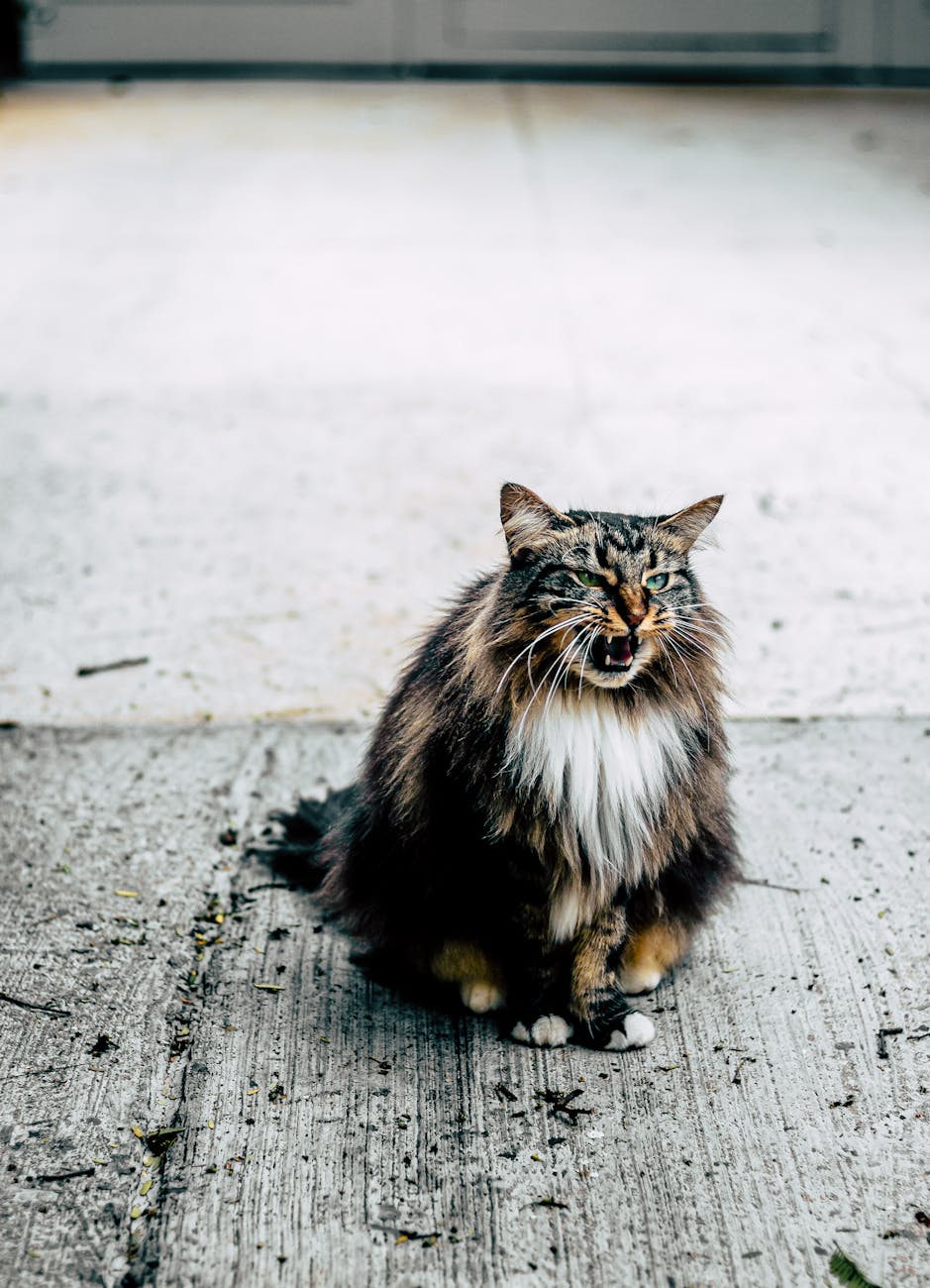
Cat insurance often mirrors dog insurance in basic coverage but tends to focus more on conditions common in felines such as:
- Chronic illnesses: Diabetes, kidney disease, and hyperthyroidism are frequent cat ailments typically covered.
- Injuries from outdoor activities: Policies often include trauma due to accidents or fights, common in outdoor or indoor/outdoor cats.
- Dental coverage: Since dental disease is prevalent in cats, some insurers offer specific dental care options, although it may require an additional premium.
Additionally, cats tend to have fewer breed-specific hereditary issues compared to dogs, affecting the pricing and coverage limits in their favor.
Exotic pet insurance: what to expect
Exotic pets—ranging from reptiles and birds to small mammals—pose unique challenges for insurance providers. Coverage availability can be limited, but there are options worth considering:
- Species-specific policies: Some insurers offer plans specifically tailored for common exotics like parrots, rabbits, or ferrets.
- Accident and illness coverage: Basic plans tend to focus on accidents and illnesses rather than preventive care, due to limited veterinary services for these species.
- Higher premiums and exclusions: Exotic pet insurance may have higher premiums and more exclusions—such as for certain illnesses or age-related conditions—reflecting the specialized care required.
Because exotic pet insurance is less standardized, owners often need to research and compare policies closely, keeping in mind that not all veterinary procedures or medications may be covered.
Comparing coverage: dogs, cats, and exotic pets
To help visualize the differences among typical coverage options, here’s a comparison table highlighting key aspects:
| Coverage element | Dogs | Cats | Exotic pets |
|---|---|---|---|
| Accidents and injury | Standard in most plans | Standard in most plans | Typically covered, often basic |
| Illness coverage | Broad, including hereditary | Common chronic illnesses included | Limited, varies by species |
| Preventive care | Often optional addon | Available but less common | Rarely offered |
| Breed or species specific | Yes, important for purebreds | Less common | Highly variable, less coverage |
| Premium cost | Moderate to high | Moderate | Higher due to specialized care |
This table underscores why selecting a pet insurance plan should be based on your pet’s species, lifestyle, and health profile.
Tips for selecting the best pet insurance
When deciding on a policy, consider these points to maximize your pet’s protection and your investment:
- Assess your pet’s needs: Age, breed, and lifestyle contribute to risk factors that influence ideal coverage.
- Check exclusions carefully: Some policies exclude hereditary or chronic conditions or have waiting periods before certain coverages begin.
- Compare reimbursements and limits: Understand how much you will be reimbursed per claim and the annual or lifetime limits.
- Look for flexible plans: Customizable deductibles and premiums help tailor coverage to your budget.
- Read reviews and insurer reputation: Customer service and claim processing speed impact your overall experience.
Taking the time to evaluate and compare policies can provide peace of mind that your pet is protected when it matters most.
Conclusion
Pet insurance offers valuable financial support to pet owners by helping cover unexpected medical expenses across dogs, cats, and exotic pets. Dogs often benefit from the widest array of coverage options, including hereditary conditions and preventive care add-ons. Cats generally have policies that cover chronic illnesses and injuries specific to their behaviors and common ailments. Exotic pet insurance is less common and can involve higher premiums and exclusions due to the specialized nature of their care. Understanding these differences is crucial for selecting the right policy aligned with your pet’s unique health profile. By examining coverage details, exclusions, and reimbursement structures, owners can safeguard their pets’ health without facing overwhelming costs. Ultimately, thoughtful insurance choices contribute to happier pets and greater peace of mind for their families.
Image by: Marjorie Matias
https://www.pexels.com/@marjorie-matias-575574297

news via inbox
Nulla turp dis cursus. Integer liberos euismod pretium faucibua